Electric Motor Recycling and Rare-Earth Magnet Recovery
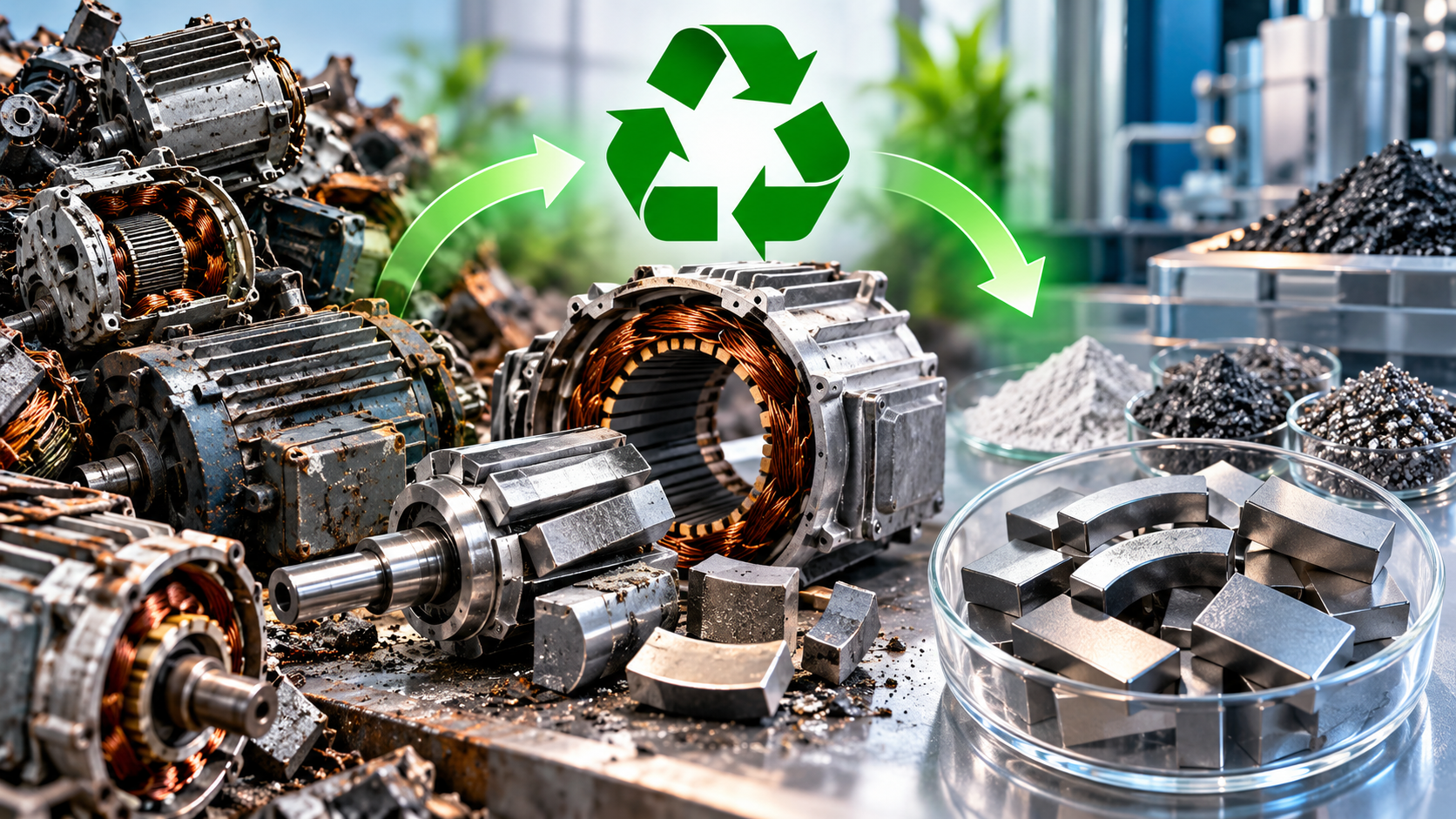
Electric motors power electric vehicles, industrial machines, robots, appliances, drones, and renewable energy systems. As demand for these technologies grows, the need to recycle old electric motors also increases.
Electric motor recycling helps recover useful materials such as copper, aluminium, steel, and permanent magnets. It also reduces material waste and supports a more circular manufacturing system.
Some electric motors contain rare-earth magnets, especially neodymium-iron-boron (NdFeB) magnets. These magnets offer high magnetic strength in a small size. They play an important role in electric vehicles, robotics, wind turbines, and other high-performance machines.
Why Is Electric Motor Recycling Important?
An old electric motor still contains valuable materials. Recycling companies can recover these materials instead of sending the entire motor to waste facilities.
Copper from motor windings has high recycling value. Aluminium and steel can also enter separate recycling streams. Some motors also contain permanent magnets that can provide another valuable source of materials.
Recycling these components helps reduce material loss. It can also support the supply of raw materials for new products.
What Are Rare-Earth Magnets?
Rare-earth magnets are permanent magnets that contain rare-earth elements. Neodymium-iron-boron magnets are among the most common types used in powerful electric motors.
These magnets provide strong magnetic performance while taking up little space. This makes them useful in electric vehicle motors, robots, drones, wind turbines, and industrial equipment.
Their strong performance also makes the recovery of these magnets an important part of motor recycling.
How Does Electric Motor Recycling Work?
The recycling process starts with the collection and sorting of old motors. Recyclers first check the motor type and its construction.
Workers then dismantle the motor and separate its main components. These components can include the motor housing, copper windings, aluminium parts, steel parts, bearings, and magnets.
Recyclers use different methods to separate and process these materials. Mechanical equipment can help break down components and prepare them for further separation.
The recycling method depends on the motor design and the materials it contains.
How Are Rare-Earth Magnets Recovered?
Recovering rare-earth magnets requires careful dismantling. Manufacturers often place magnets inside the motor structure, which can make removal difficult.
Recyclers first identify motors that contain permanent magnets. They then separate the magnet-containing parts from other components.
After removal, recyclers may clean the magnets and remove coatings, adhesives, or other materials. They can then test the magnets to determine their condition and composition.
Some recovered magnets may support direct reuse. Other magnets may require further processing to recover their rare-earth materials.
Direct Magnet Reuse and Material Recovery
Recyclers can follow two main approaches when handling recovered magnets.
The first approach focuses on direct magnet reuse. Recyclers recover the magnet and check its condition and magnetic performance. Suitable magnets may find use in another application.
The second approach focuses on material recovery. Recyclers process the magnet to recover valuable rare-earth elements and other materials.
The right approach depends on the condition of the magnet and the recycling process.
Electric Vehicle Motor Recycling
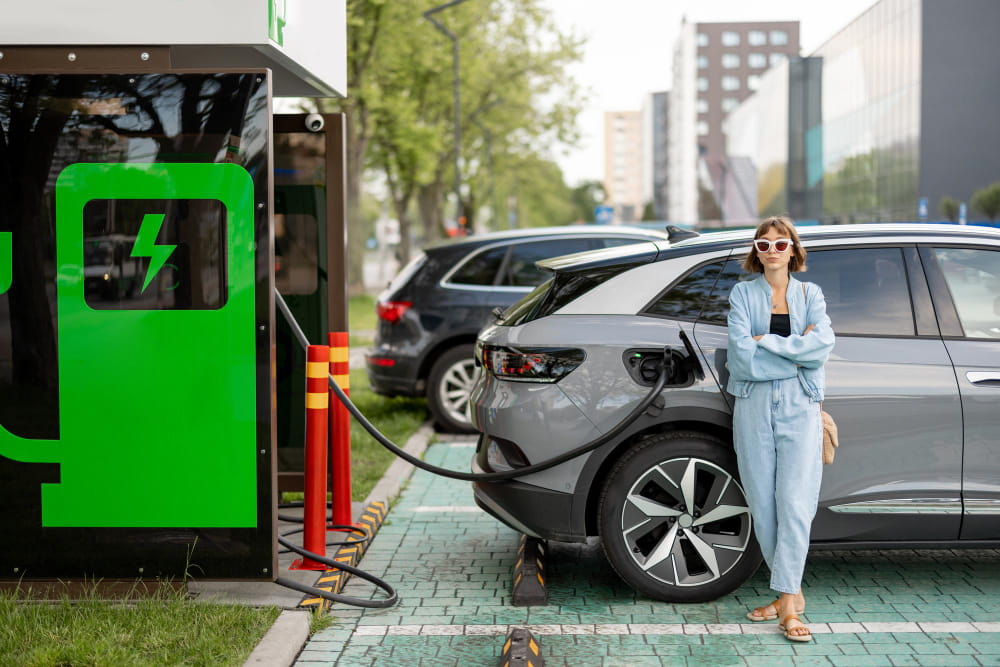
Electric vehicles have increased interest in electric motor recycling. Many EV motors use permanent magnets to achieve strong performance and high efficiency.
As electric vehicles reach the end of their service life, recyclers will handle more traction motors. These motors contain valuable materials that manufacturers can recover.
Recycling can recover copper, aluminium, steel, and magnet materials from these motors. This process can help reduce material waste and support future electric vehicle production.
Challenges in Rare-Earth Magnet Recovery
Rare-earth magnet recycling still faces several challenges. Motor designs can differ between manufacturers. This makes large-scale automated dismantling more difficult.
Magnets can also remain firmly attached to other motor components. Removing them may require specialised equipment and processes.
Recyclers also need to identify the material composition and condition of recovered magnets. Efficient recycling requires proper collection systems, trained workers, suitable equipment, and reliable processing methods.
Building a Circular Supply Chain
Electric motor recycling can support a more circular supply chain. Instead of treating old motors as waste, businesses can recover useful materials and return them to production.
Recovered copper, aluminium, steel, and rare-earth materials can support the production of new components. This approach can reduce material waste and improve resource efficiency.
Manufacturers can also support recycling by designing motors that are easier to dismantle and recycle.
The Future of Electric Motor Recycling
The demand for electric motors will continue to grow across electric mobility, robotics, renewable energy, and industrial automation.
This growth will increase the importance of efficient recycling systems. Better motor designs, automated dismantling equipment, material identification systems, and improved magnet recovery methods can make recycling more effective.
Companies that invest in recycling can also recover valuable materials from products that have reached the end of their useful life.
Conclusion
Electric motor recycling and rare-earth magnet recovery can help industries use resources more efficiently. Recycling old motors allows companies to recover copper, aluminium, steel, and valuable magnet materials.
As electric vehicles, robotics, and other motor-driven technologies expand, efficient recycling will become increasingly important. Better collection, dismantling, and magnet recovery processes can help reduce waste and support a more circular industrial economy.
Share this content:
Post Comment