The Role of Renewable Energy in Powering India’s EV Future

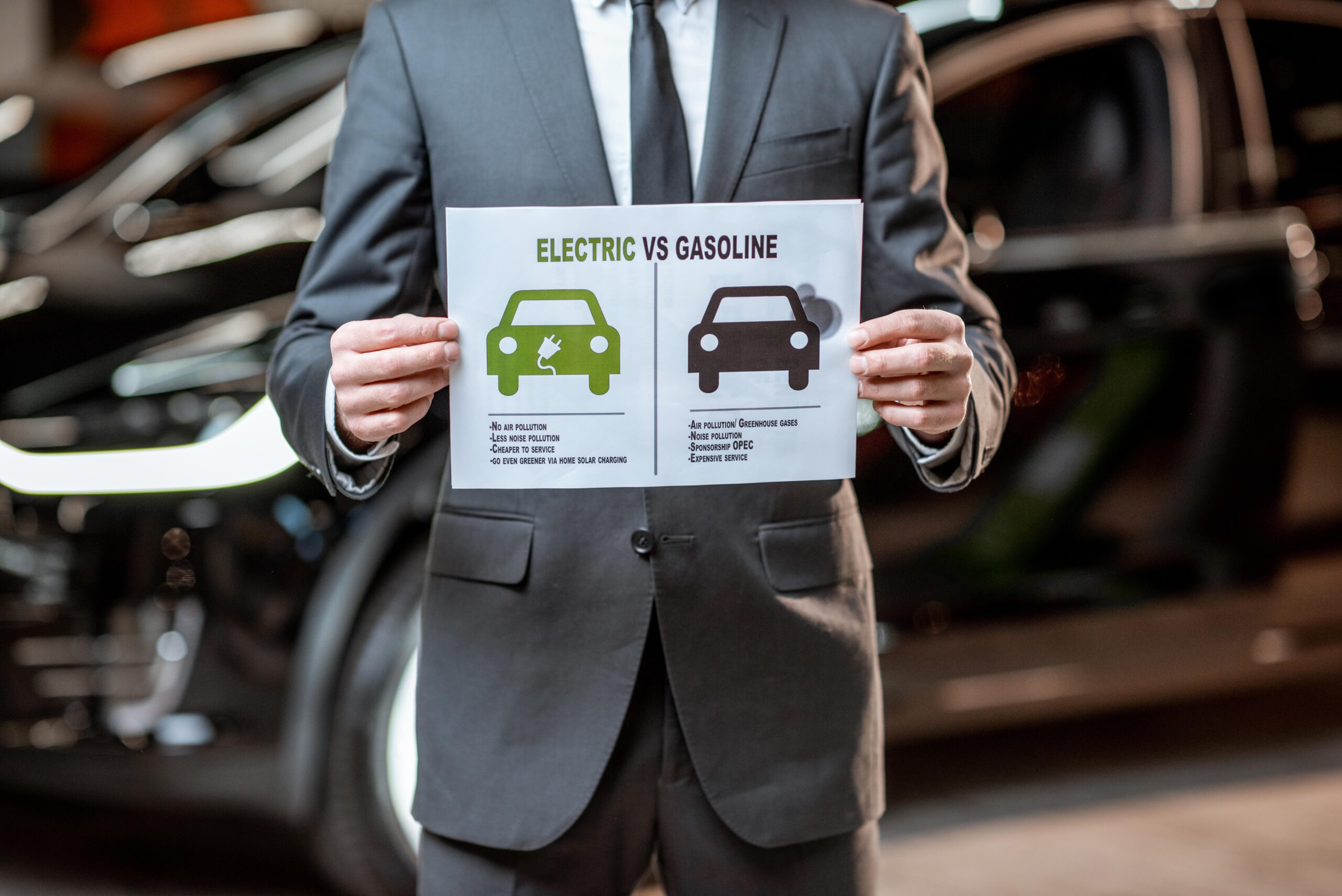
As India accelerates its transition to electric vehicles (EVs), the spotlight is also turning toward how these EVs will be powered. While EVs eliminate tailpipe emissions, their true environmental benefit depends largely on the source of electricity used for charging. Integrating renewable energy into the EV ecosystem is essential to create a truly green mobility revolution.
Solar and Wind Power: Clean Energy for EV Charging
India has made remarkable strides in renewable energy, especially in solar and wind power generation. Solar-powered charging stations are being installed across highways, metro cities, and industrial parks to support clean EV charging. Wind farms are also being linked to power grids that feed into public and fleet-based EV infrastructure. This synergy helps reduce the carbon footprint of EVs and ensures long-term sustainability.
Government Initiatives Promoting Green Charging Infrastructure
Schemes like FAME-II, National Electric Mobility Mission, and the Renewable Energy Development Program are encouraging the adoption of renewable-powered EV infrastructure. State-level policies now incentivize solar-based EV charging stations and offer subsidies for integrating renewable systems. The government is also pushing for grid decentralization and hybrid charging models to blend conventional and clean energy sources effectively.
Smart Grids and Battery Storage: Enabling Seamless Integration
One of the challenges of combining renewable energy with EV charging is managing supply fluctuations. Here, smart grids and energy storage solutions play a crucial role. Advanced battery storage systems and AI-driven grid management help balance energy loads, ensuring stable and efficient EV charging. This also opens doors for vehicle-to-grid (V2G) technologies, where EVs can return unused energy back to the grid.
Conclusion
Renewable energy is not just a supplement—it is the backbone of India’s sustainable EV journey. As the nation builds out its electric mobility infrastructure, integrating solar, wind, and other green sources ensures that EVs deliver on their promise of zero-emission transport. With the right policies, technology, and collaboration, India can create a clean and resilient EV ecosystem powered by renewable energy.
Share this content:


Post Comment