How Many Units of Electricity Does an Electric Scooter Consume?
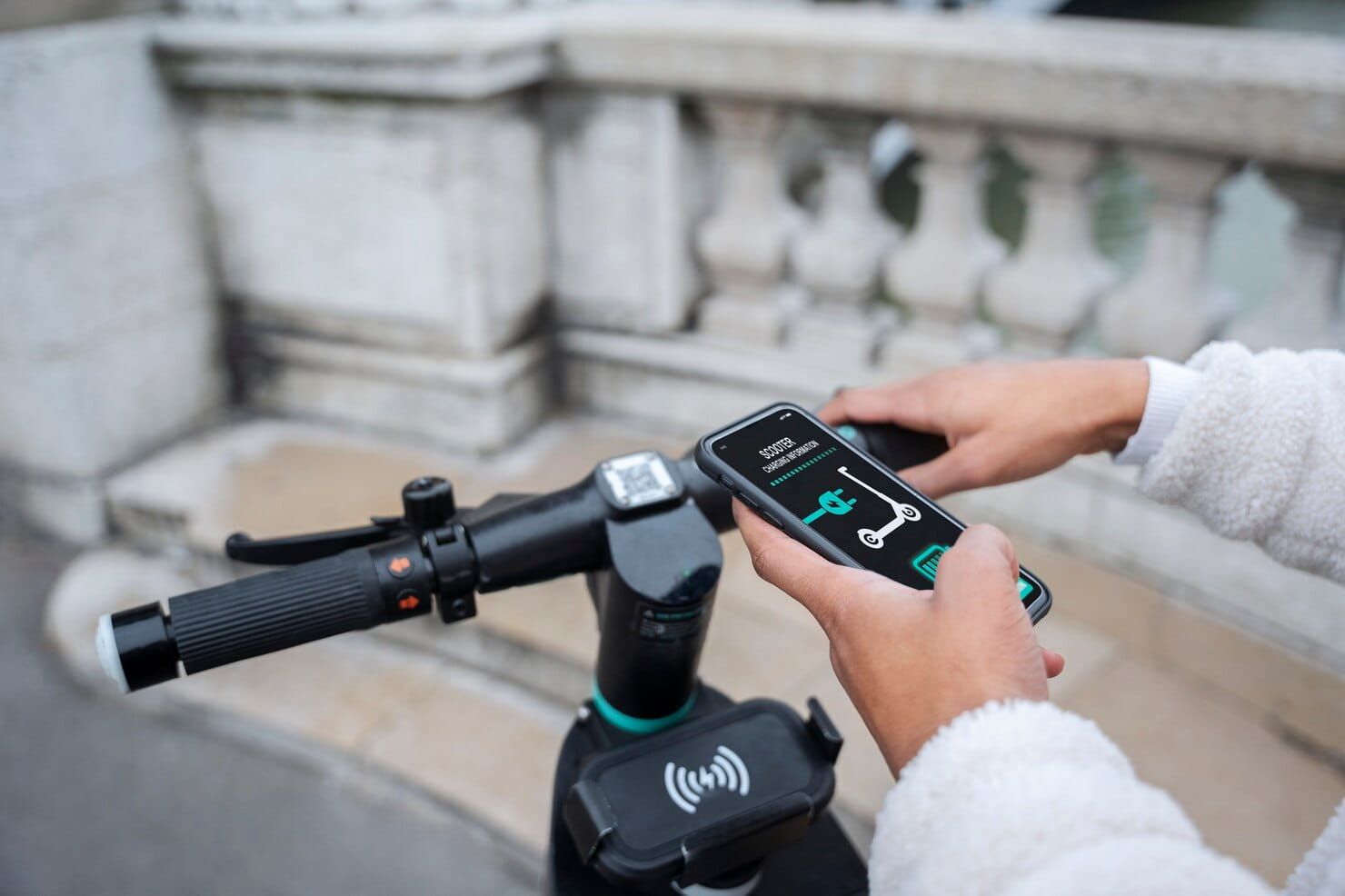
Electric scooters are becoming a popular choice for daily commuting, especially in cities where riders want an affordable and convenient alternative to petrol-powered two-wheelers. One of the biggest questions for new electric scooter buyers is simple: how many units of electricity does an electric scooter consume?
The answer depends on the scooter’s battery capacity, charging efficiency, riding style, road conditions, speed, and daily usage. Understanding electricity consumption can help you estimate your charging expenses and calculate the actual running cost of an electric scooter.
What Does One Unit of Electricity Mean?
One unit of electricity is equal to 1 kilowatt-hour (kWh). It represents the amount of electrical energy consumed by a 1-kilowatt appliance operating for one hour.
Electric scooter batteries are also measured in kilowatt-hours. For example, an electric scooter with a 3 kWh battery can store approximately 3 units of electrical energy when fully charged.
However, the electricity taken from the power supply can be slightly higher than the battery’s capacity because some energy is lost during charging.
How Many Units Does an Electric Scooter Consume Per Charge?
There is no single electricity consumption figure for every electric scooter. Different models use different battery sizes.
For example, a scooter with a 2 kWh battery will generally require less electricity for a full charge than a scooter with a 4 kWh battery. If charging losses are taken into account, the electricity drawn from the household supply will usually be somewhat higher than the battery’s rated capacity.
A simple way to estimate consumption is:
Electricity Used = Battery Capacity ÷ Charging Efficiency
For example, if an electric scooter has a 3 kWh battery and charging efficiency is approximately 90%, the electricity required from the power supply could be around 3.33 units for a complete charge.
The actual figure can vary depending on the charger, battery-management system, temperature, battery condition, and charging conditions.
How to Calculate the Charging Cost of an Electric Scooter
Calculating the charging cost is relatively simple once you know how many units the scooter consumes.
Charging Cost = Electricity Consumed × Electricity Rate
Suppose your scooter uses approximately 3 units during a charging session and your electricity tariff is ₹8 per unit.
The estimated charging cost would be:
3 × ₹8 = ₹24
Therefore, the charging session would cost approximately ₹24.
Your actual electricity bill may differ because electricity tariffs can vary according to location, consumption slabs, taxes, fixed charges, and other applicable charges.
How Much Electricity Does an Electric Scooter Use for 100 km?
Battery capacity alone does not tell you how efficient an electric scooter is. A better way to understand efficiency is to calculate electricity consumption per 100 km.
Suppose an electric scooter uses 3 kWh of energy to travel 100 km.
Its energy consumption would be:
3 kWh per 100 km
If another scooter uses 4 kWh for the same distance, it consumes more electricity to travel 100 km.
This measurement can help buyers compare the efficiency of different electric scooters.
Actual consumption can change depending on speed, traffic, road conditions, rider weight, weather, tyre pressure, and riding style.
What Factors Affect Electric Scooter Electricity Consumption?
Electric scooter electricity consumption is influenced by several factors. Two riders using the same scooter can achieve different efficiency because their riding conditions and habits may not be the same.
Battery Capacity
Battery capacity is one of the most important factors. A larger battery stores more energy and normally requires more electricity to reach a full charge.
However, a larger battery does not necessarily mean higher electricity consumption per kilometre. The scooter’s motor efficiency, weight, software, and overall design also influence energy consumption.
Riding Speed
Riding at higher speeds can increase electricity consumption. Faster riding requires more energy, particularly because aerodynamic resistance increases as speed rises.
Frequent hard acceleration can also increase battery consumption.
Traffic Conditions
Stop-and-go traffic can affect efficiency because the scooter repeatedly accelerates and slows down. Smooth riding and consistent speeds can help reduce unnecessary energy use.
Rider and Load Weight
The total weight carried by the scooter affects energy consumption. A heavier rider or additional load can require more energy, particularly when accelerating or travelling uphill.
Road Conditions
Flat roads generally require less energy than steep roads. Hills, rough surfaces, and frequent inclines can increase battery consumption.
Tyre Pressure
Incorrect tyre pressure can increase rolling resistance. Maintaining the tyre pressure recommended by the manufacturer can help the scooter operate efficiently.
Weather Conditions
Temperature and weather can influence battery performance. Extremely hot or cold conditions may affect the efficiency and available range of an electric scooter.
Charging Losses
The electricity drawn from the wall socket is not always equal to the energy stored in the battery. Some energy is lost during charging, which means the electricity meter may record slightly more consumption than the battery’s rated capacity.
How Much Does It Cost to Charge an Electric Scooter Every Month?
Monthly charging costs depend on how far you travel and how frequently you charge the scooter.
For example, assume an electric scooter consumes around 3 units during a full charging session. If the scooter is charged 20 times in a month, the estimated electricity consumption would be:
3 × 20 = 60 units
At an electricity rate of ₹8 per unit:
60 × ₹8 = ₹480
This is only an example. Actual monthly consumption depends on the scooter’s efficiency, charging pattern, electricity tariff, and distance travelled.
How to Calculate Electric Scooter Cost Per Kilometre
Calculating cost per kilometre gives a better understanding of the scooter’s running expenses.
Suppose an electric scooter consumes 3 units to travel 100 km and electricity costs ₹8 per unit.
The electricity cost for 100 km would be:
3 × ₹8 = ₹24
The estimated electricity cost per kilometre would therefore be:
₹24 ÷ 100 = ₹0.24 per km
This calculation can help riders estimate their daily, weekly, or monthly commuting expenses.
Is an Electric Scooter Cheaper to Run Than a Petrol Scooter?
Running costs depend on several factors, including electricity tariffs, petrol prices, vehicle efficiency, distance travelled, and maintenance expenses.
An electric scooter’s energy cost can be calculated using its electricity consumption per kilometre. A petrol scooter’s fuel cost can be calculated using its fuel efficiency and the current petrol price.
For a meaningful comparison, riders should compare the cost per kilometre rather than comparing the price of one litre of petrol with the cost of one unit of electricity.
Maintenance and other ownership costs should also be considered when calculating the overall cost of ownership.
Does Frequent Charging Increase Electricity Consumption?
Charging frequency alone does not determine total electricity consumption. The amount of energy used depends mainly on how much energy the battery receives during charging.
For example, charging a scooter from 20% to 80% generally uses less electricity than charging it from almost empty to 100%.
Therefore, riders should consider their actual charging pattern when estimating monthly electricity consumption.
How Can You Reduce Electric Scooter Electricity Consumption?
Efficient riding can help reduce unnecessary battery consumption. Maintaining recommended tyre pressure, avoiding aggressive acceleration, travelling at suitable speeds, and keeping the scooter properly maintained can improve energy efficiency.
Riders should also avoid carrying unnecessary weight and use appropriate riding modes when available.
Planning daily routes efficiently can further reduce unnecessary kilometres and help make better use of the available battery charge.
How to Monitor Your Electric Scooter’s Electricity Consumption
The easiest way to understand actual electricity consumption is to monitor charging over several charging cycles.
Record the electricity used during charging and the distance travelled after each charge. After collecting several readings, you can calculate average energy consumption.
For example:
Total electricity consumed ÷ Total kilometres travelled = kWh per kilometre
Multiplying this figure by 100 gives the approximate electricity consumption per 100 km.
This method provides a more realistic picture of your scooter’s efficiency because it is based on your own riding conditions.
Why Electricity Consumption Matters When Buying an Electric Scooter
Range is an important factor when choosing an electric scooter, but efficiency is equally important. Two scooters may offer similar ranges while having different battery capacities.
A scooter that can travel a particular distance using less energy may have better energy efficiency.
Before purchasing an electric scooter, buyers should therefore consider battery capacity, claimed range, expected real-world range, charging time, energy consumption, charging infrastructure, warranty, service support, and overall ownership costs.
Frequently Asked Questions
How many units of electricity are needed to fully charge an electric scooter?
It depends on the battery capacity and charging efficiency. A scooter with a 2 kWh battery will generally require less electricity for a full charge than one with a 4 kWh battery.
How much does it cost to charge an electric scooter?
Charging cost depends on the number of units consumed and the electricity tariff. Multiply the electricity consumed during charging by your applicable per-unit rate.
Does an electric scooter use a lot of electricity?
Electric scooter consumption depends on the battery and efficiency of the vehicle. The most useful measurement is electricity consumption per kilometre or per 100 km.
How can I calculate my electric scooter’s monthly electricity cost?
Multiply the electricity consumed per charging session by the number of charging sessions in a month. Then multiply the total units by your electricity rate.
Does battery size affect electricity consumption?
Yes, battery size affects the amount of electricity required for a full charge. However, battery size alone does not determine energy consumption per kilometre.
Conclusion
The number of electricity units consumed by an electric scooter depends on its battery capacity, charging efficiency, riding conditions, speed, load, road conditions, and usage pattern. A scooter with a larger battery may require more electricity for a full charge, but its overall efficiency also depends on how much distance it can travel with that stored energy.
For buyers and existing riders, looking at electricity consumption per 100 km and charging cost per kilometre provides a clearer understanding of running expenses.
By tracking actual charging consumption and daily distance, electric scooter owners can estimate their monthly electricity costs and understand how efficiently their vehicle performs in everyday conditions.
Share this content:
Post Comment