Top Electric Scooters & Bikes: A Complete Guide for Electric Two-Wheeler Buyers
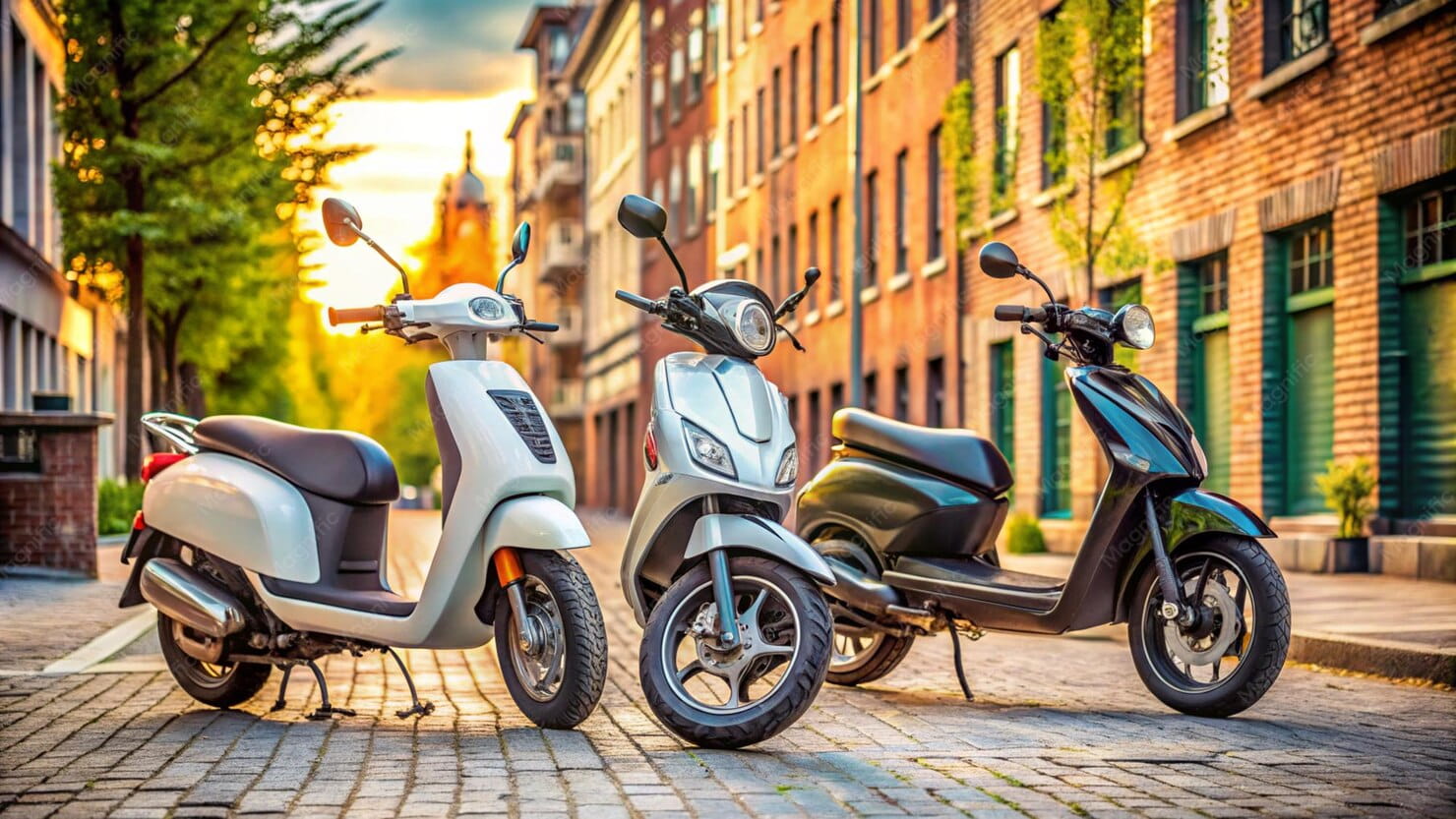
Electric scooters and bikes are becoming an important part of modern urban mobility. Improvements in battery technology, motor performance, charging systems, and connected features have made electric two-wheelers suitable for a wide range of riders.
From compact electric scooters for everyday city travel to powerful electric motorcycles designed for performance, buyers now have more options than ever. However, choosing the right electric two-wheeler requires more than looking at its design or advertised range.
Battery capacity, real-world range, charging time, motor performance, safety features, comfort, maintenance, and after-sales support all play an important role in the buying decision.
Electric Scooters and Bikes for Different Riding Needs
Electric scooters are particularly suitable for urban commuters who want an easy-to-ride vehicle for everyday transportation. Their automatic transmission, practical design, and storage space can make them convenient for city traffic.
Electric bikes and motorcycles generally provide a more traditional riding experience. They can appeal to riders who prefer a motorcycle-style design, stronger performance, longer rides, or a sportier riding position.
The right choice depends largely on how and where the vehicle will be used.
Top Electric Scooters for City Commuting
Electric scooters designed for city use usually focus on practicality, comfort, efficiency, and easy handling. They can be useful for travelling to offices, colleges, markets, and other everyday destinations.
When considering an electric scooter for urban commuting, buyers should look at its battery capacity, real-world range, charging time, seat comfort, storage space, braking system, tyre size, and overall dimensions.
A scooter with a suitable range for the rider’s daily journey can reduce the need for frequent charging while making everyday travel more convenient.
Electric Scooters for Long-Distance Commuting
Riders who travel longer distances should pay particular attention to battery capacity and real-world range. Manufacturer range figures are generally measured under specific test conditions, so actual performance can vary.
Traffic conditions, riding speed, road gradient, weather, rider weight, use of lights and accessories, and riding style can all influence battery consumption.
Charging convenience is equally important. Buyers should check whether home charging is practical and whether public charging facilities are available along frequently used routes.
Premium Electric Scooters
Premium electric scooters increasingly combine transportation with connected technology. Depending on the model, features can include digital instrument clusters, smartphone connectivity, navigation, multiple riding modes, vehicle tracking, remote diagnostics, and software updates.
However, technology should complement the basic requirements of the vehicle. Battery performance, braking, reliability, comfort, service support, and overall practicality remain important when selecting a premium electric scooter.
Top Electric Bikes and Motorcycles
Electric bikes and motorcycles are expanding beyond basic commuter applications. Some models focus on efficiency and everyday riding, while others are designed around acceleration, performance, and long-distance travel.
Electric motorcycles can offer instant motor torque and smooth acceleration. Performance-oriented models may also provide multiple riding modes, advanced braking systems, larger battery packs, and sophisticated electronic controls.
For buyers interested in an electric motorcycle, it is useful to consider both performance and practicality. A powerful motor may provide stronger acceleration, but battery consumption can also increase depending on riding behaviour.
Battery Capacity and Real-World Range
The battery is one of the most important components of an electric two-wheeler. Battery capacity is generally expressed in kilowatt-hours (kWh), while range refers to the distance the vehicle can travel on a charge.
A higher battery capacity can support longer travel, but range is not determined by battery size alone. Motor efficiency, vehicle weight, aerodynamics, riding speed, road conditions, and temperature can affect energy consumption.
For this reason, buyers should consider their typical daily distance rather than selecting a vehicle solely because it has the highest claimed range.
Charging Time and Charging Convenience
Charging is another important factor when choosing an electric scooter or bike. Home charging can be convenient for daily users who have access to a suitable electrical connection.
Fast-charging technology can reduce waiting times on longer journeys, although charging speed depends on the vehicle, charger, battery system, and available electrical infrastructure.
Before purchasing an electric two-wheeler, buyers should understand the charging requirements and identify where the vehicle can be charged regularly.
Motor Performance and Riding Experience
Electric motors deliver torque differently from conventional internal-combustion engines. Many electric two-wheelers provide smooth acceleration with immediate motor response.
Motor power, torque, riding modes, vehicle weight, and software calibration all influence the riding experience.
For city commuters, smooth acceleration and efficiency may be more important than maximum speed. Performance-focused riders may place greater importance on acceleration, top speed, handling, and braking capability.
Safety Features to Consider
Safety should remain a major consideration when selecting an electric scooter or bike. Buyers should examine the braking system, tyres, suspension, lighting, stability, and available electronic safety features.
Some electric two-wheelers also offer regenerative braking and other electronic systems designed to improve control and energy efficiency.
The quality of the service network is also important because regular inspection and maintenance help keep safety-related components in proper working condition.
Smart Features in Modern Electric Two-Wheelers
Connected technology is becoming increasingly common in electric mobility. Depending on the model, riders may receive features such as smartphone connectivity, navigation, vehicle location, battery-status monitoring, ride statistics, remote alerts, and software updates.
These features can make ownership more convenient, particularly for riders who regularly use smartphone-based vehicle controls and navigation.
Electric Two-Wheeler Running Costs
One of the important reasons buyers consider electric scooters and bikes is their potential for lower operating costs. Electricity used for charging can cost less than equivalent petrol consumption, depending on the vehicle’s efficiency, electricity tariff, and usage.
Maintenance requirements can also differ because electric powertrains generally have fewer moving components than conventional internal-combustion systems.
However, ownership costs should be evaluated as a whole. Insurance, tyres, brakes, battery warranty, servicing, charging equipment, and other expenses should also be considered.
How to Choose the Right Electric Scooter or Bike
The best electric two-wheeler for one rider may not be the right choice for another. Start by calculating your typical daily travel distance and identifying where you can charge the vehicle.
If your priority is convenient city transportation, an electric scooter with practical storage and comfortable seating may be suitable. If you prefer a motorcycle-style riding experience, an electric bike or motorcycle may better match your requirements.
Buyers should also compare battery capacity, real-world range, charging time, motor performance, safety equipment, warranty coverage, service availability, and total ownership cost.
What to Check Before Buying an Electric Two-Wheeler
Before making a purchase, check the manufacturer’s battery and vehicle warranty carefully. Pay particular attention to battery warranty conditions because the battery is one of the most important components of an electric vehicle.
The availability of authorised service centres and spare parts can also affect the ownership experience. Buyers should confirm charging requirements and understand whether the vehicle can be conveniently charged at home.
A test ride can provide useful information about seating position, acceleration, braking, suspension, handling, and overall comfort.
The Future of Electric Scooters and Bikes
Electric two-wheelers are continuing to evolve as manufacturers invest in battery technology, motor efficiency, connected software, charging systems, and vehicle design.
Future developments are expected to focus on improving range, charging convenience, battery management, performance, safety, and digital connectivity.
As charging infrastructure and electric mobility ecosystems expand, scooters and bikes are likely to remain an important part of the transition toward cleaner transportation.
Conclusion
Choosing an electric scooter or bike requires a clear understanding of your daily travel requirements. Battery capacity, real-world range, charging convenience, motor performance, safety, comfort, technology, warranty, and service support should all be considered before making a purchase.
Whether you need an electric scooter for city commuting or an electric motorcycle for longer and more performance-oriented rides, comparing these factors can help you identify a vehicle that matches your everyday needs.
Share this content:
Post Comment