EV Maintenance Checklist: A Complete Guide to Keeping Your Electric Vehicle in Top Condition
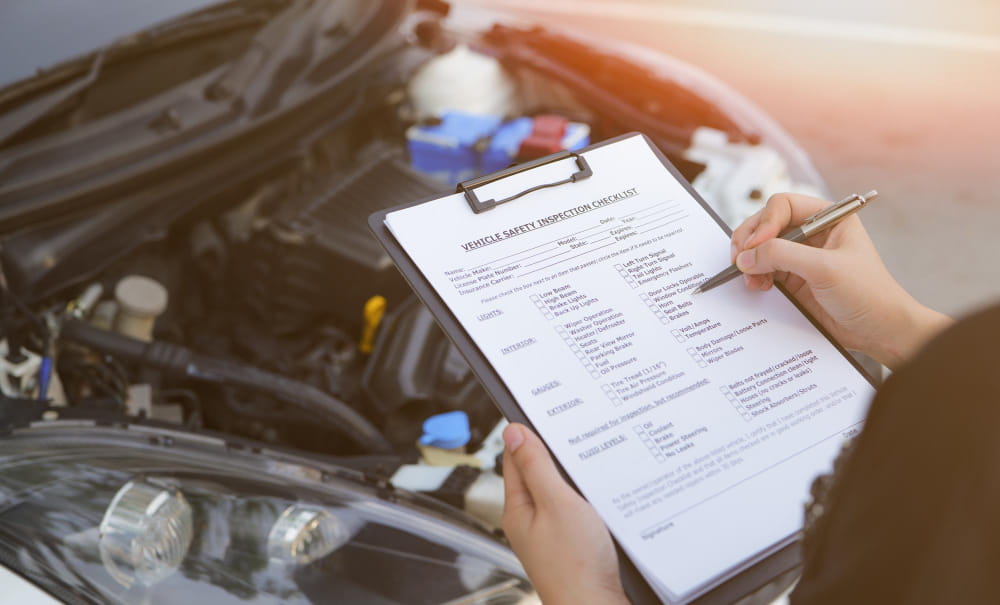
Electric vehicles (EVs) have transformed the automotive industry by offering an environmentally friendly and cost-effective alternative to traditional gasoline and diesel-powered vehicles. While EVs require less maintenance than conventional cars due to having fewer moving parts, they are not completely maintenance-free. Regular inspections and timely servicing are essential to ensure optimal performance, maximize battery life, improve safety, and maintain the vehicle’s overall efficiency.
Unlike internal combustion engine vehicles, electric vehicles do not require engine oil changes, spark plug replacements, or fuel system maintenance. However, components such as the battery, tires, braking system, cooling system, and software require regular attention to ensure reliable operation. Following a comprehensive EV maintenance checklist helps drivers avoid unexpected repairs, extend the lifespan of their vehicle, and maintain consistent driving performance.
This guide provides a detailed overview of the essential maintenance tasks every electric vehicle owner should include in their routine maintenance schedule.
Why Regular EV Maintenance Is Important
Many people believe that electric vehicles require little or no maintenance because they have fewer mechanical components. While it is true that EVs eliminate many traditional maintenance requirements, regular inspections remain crucial for long-term reliability.
Routine maintenance helps identify minor issues before they become expensive repairs. It also ensures that critical systems such as the battery, brakes, tires, suspension, and electrical components continue to function efficiently. Well-maintained electric vehicles generally deliver better driving range, improved energy efficiency, enhanced safety, and a higher resale value.
Ignoring routine maintenance can gradually reduce battery performance, increase tire wear, affect braking efficiency, and compromise overall vehicle reliability.
Battery Health Inspection
The battery is the most valuable and important component of an electric vehicle. Maintaining battery health is essential because it directly affects driving range, charging efficiency, and long-term vehicle performance.
Regular battery inspections help detect abnormal temperature changes, charging irregularities, or signs of reduced performance. Drivers should monitor charging habits and avoid consistently charging the battery to 100% unless necessary for long-distance travel. Likewise, allowing the battery to discharge completely on a regular basis may accelerate battery degradation.
Maintaining an appropriate state of charge, avoiding prolonged exposure to extreme temperatures, and following recommended charging practices can significantly extend battery life.
Charging System Inspection
A properly functioning charging system ensures safe and efficient battery charging. Charging cables, connectors, and charging ports should be inspected regularly for dirt, moisture, corrosion, or physical damage.
Any loose connections or damaged charging equipment should be repaired or replaced promptly to prevent charging interruptions or electrical hazards. Keeping charging equipment clean and protected from environmental exposure contributes to reliable charging performance over time.
Tire Condition and Pressure
Tires play a significant role in an electric vehicle’s efficiency and handling. Since EV batteries add considerable weight, tires may experience faster wear compared to conventional vehicles.
Checking tire pressure regularly helps maximize driving range, improve vehicle stability, and ensure even tire wear. Underinflated tires increase rolling resistance, reducing energy efficiency and shortening battery range.
Drivers should also inspect tire tread depth and look for signs of uneven wear, punctures, or sidewall damage. Rotating tires according to the manufacturer’s recommended schedule helps promote uniform wear and extends tire life.
Brake System Maintenance
Electric vehicles use regenerative braking technology, which reduces wear on traditional brake components. Although brake pads and discs generally last longer in EVs, they still require regular inspection.
Moisture, dirt, and corrosion can affect braking performance over time, particularly if regenerative braking minimizes the use of conventional brakes. Routine brake inspections ensure that brake pads, discs, calipers, and brake fluid remain in good condition and continue to provide reliable stopping power when needed.
Cooling System Inspection
Many electric vehicles use liquid cooling systems to regulate battery and motor temperatures. Maintaining proper operating temperatures is essential for battery longevity and vehicle performance.
Coolant levels should be inspected periodically, and any signs of leaks or contamination should be addressed immediately. An efficient cooling system helps prevent overheating during charging, acceleration, and long-distance driving while protecting critical electrical components.
Suspension and Steering Check
Suspension and steering components contribute to ride comfort, handling, and overall driving safety. Since electric vehicles are often heavier than conventional cars, suspension components experience additional stress over time.
Regular inspections help identify worn shock absorbers, damaged suspension parts, loose steering components, or unusual noises. Prompt repairs improve driving stability and reduce unnecessary tire wear.
Software Updates
Modern electric vehicles rely heavily on software to manage battery performance, charging, energy efficiency, navigation, and safety systems. Manufacturers frequently release software updates that improve vehicle functionality, fix technical issues, and introduce new features.
Keeping the vehicle’s software up to date ensures optimal performance, enhances security, and allows drivers to benefit from the latest technological improvements.
Electrical System Inspection
Electric vehicles contain high-voltage electrical systems as well as standard electrical components such as lights, sensors, cameras, and control modules. Regular inspections help ensure that all electrical systems operate safely and efficiently.
Drivers should check that exterior lights, interior lighting, displays, warning indicators, and electronic safety features function correctly. Any warning messages displayed on the dashboard should be investigated promptly to prevent more serious issues.
Cabin Air Filter Replacement
Although electric vehicles do not require engine air filters, they still use cabin air filters to improve interior air quality. Over time, these filters accumulate dust, pollen, and airborne particles, reducing airflow and affecting climate control performance.
Replacing the cabin air filter at recommended intervals improves passenger comfort and helps maintain efficient heating and air conditioning performance.
Windshield Wipers and Washer System
Clear visibility is essential for safe driving in all weather conditions. Windshield wiper blades should be inspected regularly for signs of wear, cracking, or reduced effectiveness.
Maintaining an adequate supply of windshield washer fluid and replacing worn wiper blades ensures optimal visibility during rain, dust, or snow.
Exterior and Interior Care
Regular cleaning protects both the appearance and longevity of an electric vehicle. Washing the exterior removes dirt, road salt, and contaminants that may contribute to corrosion or paint damage.
Cleaning the interior prevents excessive wear on upholstery, dashboards, and touchscreens while improving the overall driving experience. Maintaining a clean charging port also helps ensure reliable charging connections.
Monitoring Driving Efficiency
Many electric vehicles provide detailed information about energy consumption, regenerative braking performance, and driving efficiency through onboard displays.
Monitoring these metrics helps drivers identify changes in vehicle performance and adopt more energy-efficient driving habits. Smooth acceleration, gradual braking, and maintaining consistent speeds can improve battery efficiency and extend driving range.
Seasonal Maintenance Considerations
Extreme weather conditions can affect electric vehicle performance. During winter, cold temperatures may temporarily reduce battery efficiency and increase charging times. Preconditioning the battery before driving or charging can help improve performance in colder climates.
In hot weather, parking in shaded areas and avoiding prolonged exposure to excessive heat helps protect battery health. Regularly inspecting cooling systems during summer ensures efficient temperature management.
Seasonal tire inspections are also important because temperature changes can significantly affect tire pressure.
Signs Your EV May Need Maintenance
Although electric vehicles generally require fewer repairs than conventional vehicles, certain warning signs should never be ignored. A noticeable reduction in driving range, unusual noises, vibration while driving, slower charging speeds, warning lights, difficulty steering, or changes in braking performance may indicate that maintenance is required.
Addressing these issues early can prevent more extensive repairs and ensure continued vehicle safety.
Benefits of Following an EV Maintenance Checklist
Consistent maintenance offers numerous long-term advantages for electric vehicle owners. A well-maintained EV typically delivers improved battery performance, better energy efficiency, enhanced safety, lower repair costs, and a longer vehicle lifespan. Routine inspections also help preserve resale value by demonstrating that the vehicle has been properly cared for throughout its ownership.
Beyond financial benefits, regular maintenance contributes to a more reliable and enjoyable driving experience while reducing the likelihood of unexpected breakdowns.
Conclusion
Electric vehicles may require less maintenance than traditional gasoline-powered cars, but regular care remains essential for maximizing performance, safety, and reliability. Paying attention to battery health, charging equipment, tires, brakes, cooling systems, suspension, software, and electrical components ensures that the vehicle continues to operate efficiently throughout its lifespan.
By following a comprehensive EV maintenance checklist and addressing potential issues before they become serious problems, drivers can protect their investment and enjoy the full benefits of electric mobility. Preventive maintenance not only extends the life of the vehicle but also enhances driving confidence, improves energy efficiency, and contributes to a safer and more dependable ownership experience.
Share this content:
Post Comment