Best EV Charging Apps: A Complete Guide to Choosing the Right Charging Companion
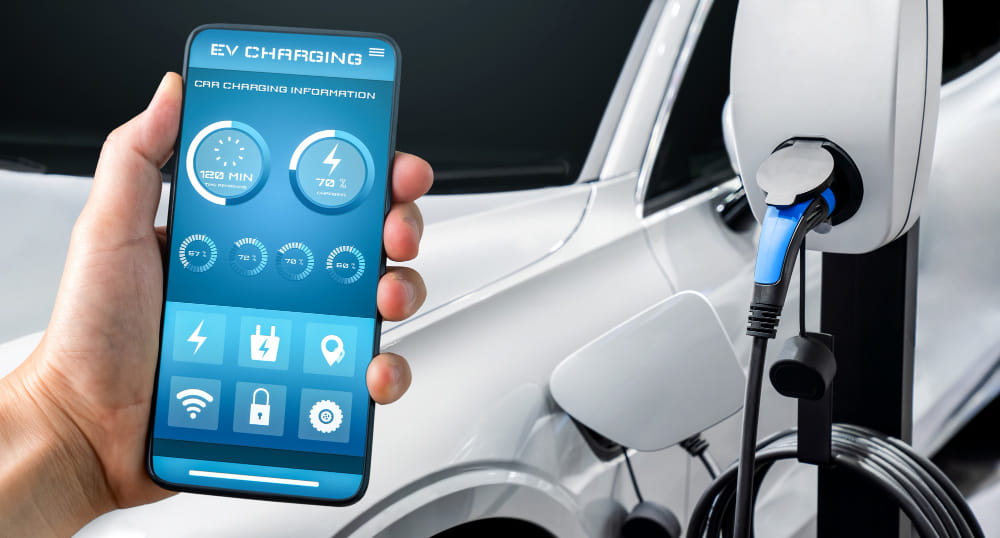
The rise of electric vehicles (EVs) has transformed the way people travel, making sustainable transportation more accessible than ever before. As the number of EV owners continues to grow, the demand for reliable charging infrastructure has increased significantly. While charging stations are becoming more common, finding the right one at the right time can still be challenging. This is where EV charging apps play an important role.
An EV charging app acts as a digital companion that helps drivers locate charging stations, check charger availability, estimate charging costs, and plan efficient routes. These applications simplify the charging process and reduce the uncertainty often associated with electric vehicle ownership. Instead of promoting a specific app, it is more valuable to understand what makes an EV charging app useful and how the right features can improve the overall driving experience.
Understanding EV Charging Apps
EV charging apps are mobile applications designed to connect electric vehicle drivers with charging networks and public charging stations. They provide real-time information about charger locations, charging speeds, compatibility, pricing, and station availability. Many applications also allow users to monitor charging sessions remotely, making it easier to manage charging while attending to other activities.
As charging infrastructure expands, these apps have evolved from simple location finders into comprehensive platforms that support trip planning, payment management, charging history, and personalized recommendations. Their primary goal is to make charging more convenient, efficient, and reliable for EV owners.
Why EV Charging Apps Matter
Driving an electric vehicle requires a different approach than driving a conventional fuel-powered vehicle. Unlike fuel stations, charging stations vary in charging speed, connector type, pricing model, and availability. Without accurate information, drivers may experience unnecessary delays or struggle to find a compatible charger during their journey.
A reliable EV charging app removes much of this uncertainty by providing up-to-date information before drivers arrive at a charging station. This not only saves time but also helps reduce range anxiety, allowing drivers to travel with greater confidence, whether commuting daily or planning long-distance trips.
Features That Define a Good EV Charging App
One of the most important characteristics of a quality EV charging app is accurate charging station information. Drivers rely on these applications to locate nearby chargers quickly and navigate to them without confusion. Accurate maps, detailed station information, and location-based search capabilities ensure that users can easily identify suitable charging options.
Real-time charger availability is another essential feature. Arriving at a fully occupied charging station can disrupt travel plans and increase waiting times. Apps that provide live updates allow users to check whether chargers are currently available, occupied, or temporarily out of service before beginning their journey.
Vehicle compatibility is equally important because different electric vehicles require different charging connectors and charging standards. A useful app provides compatibility information so drivers can quickly determine whether a charging station supports their vehicle, reducing the chances of unnecessary detours.
For drivers who frequently travel long distances, route planning has become one of the most valuable features. Intelligent route planning calculates charging stops based on battery level, estimated energy consumption, and available charging stations along the route. This allows drivers to complete longer journeys with confidence while minimizing interruptions.
Charging speed information also plays a significant role in the user experience. Since charging times vary depending on charger capacity, knowing whether a station offers standard, fast, or ultra-fast charging helps drivers plan their schedules more effectively.
Transparent pricing is another feature that contributes to informed decision-making. Charging costs may differ between locations depending on energy rates, charging speed, or service fees. Apps that display estimated charging costs before a session begins help users compare available options and avoid unexpected expenses.
Many modern EV charging apps also provide charging session monitoring. This allows drivers to track battery progress, charging duration, and estimated completion time directly from their smartphones. Remote monitoring enables users to spend their waiting time more productively while remaining informed about their vehicle’s charging status.
Notifications further enhance convenience by alerting users when charging starts, completes, or encounters an interruption. Timely updates ensure that drivers can return to their vehicles promptly and avoid unnecessary waiting or additional parking charges.
Benefits of Using EV Charging Apps
EV charging apps have become an essential part of the electric vehicle ecosystem because they make charging more predictable and efficient. By providing accurate information and intelligent navigation, these applications help drivers locate suitable charging stations without wasting valuable time or battery range.
They also improve travel planning by identifying charging opportunities along a selected route, making long-distance journeys significantly easier to manage. Cost transparency enables users to monitor charging expenses more effectively, while charging history provides useful insights into energy consumption and usage patterns over time.
Beyond convenience, these apps contribute to greater confidence among EV owners by reducing range anxiety and simplifying everyday charging decisions. Whether driving within the city or traveling across regions, having reliable charging information readily available enhances the overall ownership experience.
Challenges to Consider
Despite their advantages, EV charging apps are not without limitations. Information accuracy depends on regular updates from charging networks, which means users may occasionally encounter outdated station details or incorrect availability information. Temporary network issues, maintenance work, or unexpected charger faults can also affect the reliability of displayed information.
In some regions, charging infrastructure is still developing, resulting in fewer available charging stations. Drivers should therefore verify recent station updates and, whenever possible, keep alternative charging locations in mind during longer journeys.
Choosing the Right EV Charging App
Selecting the right EV charging app depends on individual driving habits, travel frequency, and charging preferences. A reliable application should provide accurate station information, live charger availability, detailed compatibility guidance, transparent pricing, effective navigation, and a user-friendly interface. Regular software updates and positive user experiences are also indicators of a dependable application that can adapt to the evolving needs of electric vehicle owners.
Rather than focusing on brand popularity, drivers should evaluate whether an app consistently delivers accurate information, supports their vehicle, and simplifies the charging process in real-world situations.
The Future of EV Charging Apps
As electric mobility continues to expand, EV charging apps are expected to become even smarter through the integration of advanced technologies such as artificial intelligence, predictive analytics, and connected vehicle systems. Future applications may recommend the most efficient charging stations based on traffic conditions, battery health, weather, and real-time demand.
Personalized charging recommendations, renewable energy integration, and intelligent energy management are also expected to become standard features. These innovations will further improve convenience while supporting a more sustainable and efficient transportation ecosystem.
Conclusion
EV charging apps have become an indispensable tool for modern electric vehicle owners. They simplify the process of locating charging stations, provide real-time availability updates, assist with route planning, and help users monitor charging sessions and costs. As charging infrastructure continues to grow, these applications will remain essential for making electric vehicle ownership more convenient and reliable.
Instead of selecting an app based solely on popularity, drivers should focus on the features that best support their daily travel needs. An application that offers accurate information, seamless navigation, transparent pricing, and dependable performance will contribute significantly to a stress-free EV ownership experience. As technology advances, EV charging apps will continue to evolve, making electric mobility more accessible, efficient, and user-friendly for drivers around the world.
Share this content:


Post Comment