Top EV Manufacturing Plants in India: Driving the Future of Electric Mobility
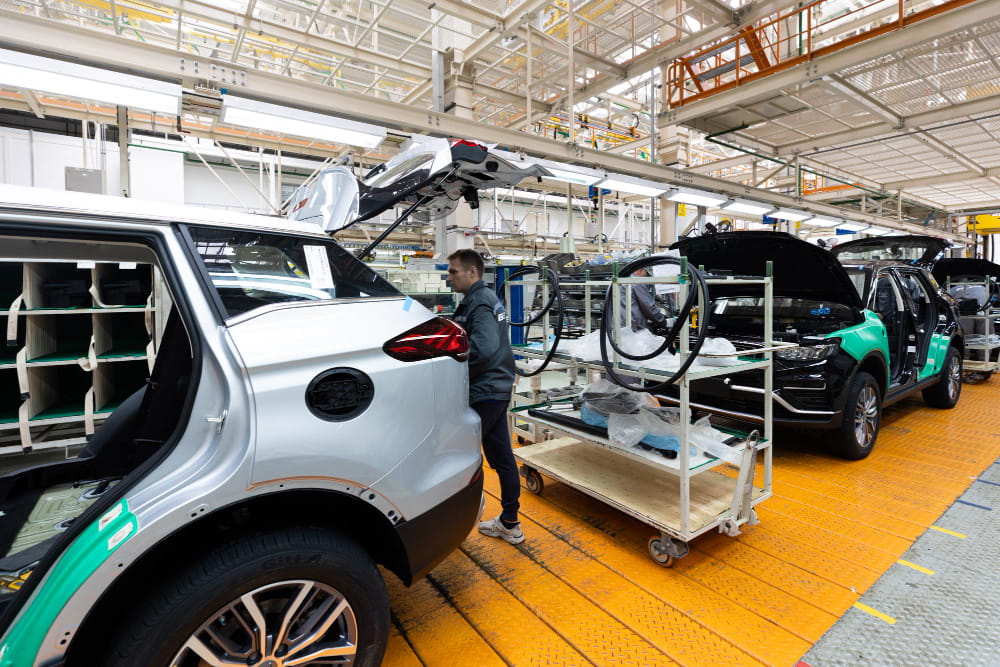
India’s electric vehicle (EV) industry has witnessed significant growth in recent years due to increasing demand for sustainable transportation, supportive government initiatives, and rapid technological advancements. As electric mobility continues to expand, EV manufacturing plants have become the foundation of the industry’s development. These facilities are responsible for producing electric vehicles and their key components while supporting innovation, employment, and industrial growth. Modern EV manufacturing plants combine advanced production technologies with efficient processes to meet the growing demand for electric mobility across the country.
What is an EV Manufacturing Plant?
An EV manufacturing plant is a specialized industrial facility where electric vehicles are produced, assembled, tested, and prepared for distribution. Unlike conventional automobile manufacturing units, EV plants incorporate dedicated production lines for battery packs, electric motors, power electronics, and intelligent vehicle systems. These facilities use advanced machinery, robotics, and automation to ensure consistent production quality while maintaining high safety standards throughout the manufacturing process.
Why EV Manufacturing Plants Are Important
EV manufacturing plants play a significant role in strengthening India’s automotive industry and supporting the transition toward cleaner transportation. These facilities contribute to domestic manufacturing by reducing dependence on imports and encouraging local production of vehicles and components. They also generate employment opportunities across engineering, manufacturing, logistics, research, and maintenance sectors. Furthermore, EV plants help establish a strong supply chain by supporting component manufacturers, battery producers, and technology providers. Their adoption of advanced manufacturing technologies also promotes innovation and improves production efficiency while supporting sustainable industrial development.
Top EV Manufacturing Plants in India
India has established several major electric vehicle manufacturing hubs across different states, each contributing to the country’s expanding EV ecosystem. These manufacturing facilities benefit from strong industrial infrastructure, skilled manpower, and well-developed supply chains that support efficient production and distribution.
Tamil Nadu
Tamil Nadu has become one of India’s most significant electric vehicle manufacturing regions due to its established automotive ecosystem and extensive industrial infrastructure. The state supports the production of electric passenger vehicles, commercial vehicles, battery systems, and various EV components. Its strategic location and excellent logistics network also make it an important center for both domestic distribution and exports.
Karnataka
Karnataka has emerged as an important destination for electric vehicle manufacturing because of its strong technology sector and engineering capabilities. Manufacturing facilities in the state focus on advanced vehicle production while integrating software, electronics, and intelligent manufacturing systems into the production process. Continuous investment in research and innovation has further strengthened the state’s position within the EV industry.
Maharashtra
Maharashtra remains one of India’s largest automotive manufacturing regions and continues to expand its electric vehicle production capacity. The state’s industrial ecosystem supports the manufacturing of electric passenger vehicles, commercial vehicles, battery systems, and power electronics. Well-developed transportation infrastructure and industrial clusters contribute to efficient manufacturing operations.
Gujarat
Gujarat has become an attractive location for electric vehicle manufacturing due to its industrial policies, robust infrastructure, and strong logistics network. Manufacturing facilities in the state focus on vehicle assembly, battery integration, component manufacturing, and export-oriented production. The state’s industrial corridors and port connectivity support efficient movement of raw materials and finished products.
Telangana
Telangana has rapidly developed into an emerging hub for electric vehicle production and battery technology. The state’s growing industrial infrastructure and focus on innovation have encouraged investments in manufacturing facilities dedicated to electric mobility. Research, development, and advanced manufacturing technologies continue to support the expansion of the EV sector in the region.
Uttar Pradesh
Uttar Pradesh has experienced increasing investment in electric vehicle manufacturing as demand for electric mobility continues to rise. The state’s large consumer market, expanding industrial zones, and improving infrastructure have encouraged the development of manufacturing facilities focused on electric vehicle production and component manufacturing.
Haryana
Haryana has long been recognized as an important automotive manufacturing region and is gradually strengthening its presence in the electric vehicle sector. Manufacturing facilities within the state support vehicle assembly, component production, battery integration, and testing activities, contributing to the overall growth of India’s EV manufacturing ecosystem.
Components Manufactured at EV Plants
Electric vehicle manufacturing plants produce a wide range of components that are essential for vehicle operation and performance. These facilities manufacture battery packs, electric motors, battery management systems, power electronics, charging equipment, vehicle controllers, chassis structures, wiring systems, and thermal management components. The production of these components within India supports greater localization and strengthens the domestic supply chain.
EV Manufacturing Process
The manufacturing process of an electric vehicle begins with sourcing raw materials such as steel, aluminum, battery cells, and electronic components. These materials are transformed into individual vehicle components before moving to battery assembly, body manufacturing, and final vehicle assembly. After mechanical and electrical systems are integrated, vehicle software is installed and calibrated to optimize performance. Each vehicle then undergoes rigorous quality inspections and performance testing to ensure compliance with safety and manufacturing standards before being dispatched for distribution.
Government Support for EV Manufacturing
The Indian government has introduced several policy initiatives to encourage the growth of domestic electric vehicle manufacturing. Financial incentives, production-linked support programs, and state-level EV policies have helped attract investment into manufacturing facilities, battery production, and component localization. These initiatives aim to strengthen industrial capabilities, reduce import dependence, and support the long-term development of India’s electric mobility sector.
Technologies Used in Modern EV Manufacturing Plants
Modern EV manufacturing plants rely on advanced technologies to improve production efficiency, precision, and product quality. Automation, robotics, artificial intelligence, industrial Internet of Things (IoT), predictive maintenance systems, machine vision inspection, digital twins, and smart manufacturing platforms have transformed vehicle production processes. These technologies enable manufacturers to achieve greater operational efficiency while maintaining consistent quality standards.
Sustainability Practices in EV Manufacturing
Sustainability has become a key priority within modern EV manufacturing facilities. Many plants incorporate renewable energy sources, energy-efficient equipment, water conservation systems, recycling processes, and environmentally responsible waste management practices. These measures help reduce industrial emissions, conserve natural resources, and improve overall environmental performance throughout the manufacturing lifecycle.
Challenges Faced by EV Manufacturing Plants
Despite rapid growth, EV manufacturing plants continue to face several challenges that affect production and expansion. Dependence on imported battery raw materials, fluctuating mineral prices, supply chain disruptions, high capital investment requirements, evolving technologies, workforce development, and battery recycling infrastructure remain important areas requiring continuous improvement. Addressing these challenges will be essential for ensuring sustainable long-term industry growth.
Future of EV Manufacturing in India
The future of EV manufacturing in India appears promising as investment in production facilities, battery technology, and advanced manufacturing continues to increase. Greater localization of components, expansion of battery manufacturing, adoption of next-generation technologies, and improvements in digital manufacturing are expected to strengthen the industry’s competitiveness. Continued policy support, infrastructure development, and technological innovation will further enhance India’s position as an important global center for electric vehicle manufacturing.
Conclusion
EV manufacturing plants have become a vital part of India’s transition toward sustainable transportation. These facilities contribute significantly to industrial development by supporting vehicle production, technological innovation, employment generation, and supply chain growth. As manufacturing capabilities continue to expand through investments in advanced technologies and sustainable production practices, India’s electric vehicle industry is expected to play an increasingly important role in the future of clean mobility.
Share this content:

Post Comment