Electric Bike: A Complete Guide to Features, Benefits, and Future Mobility
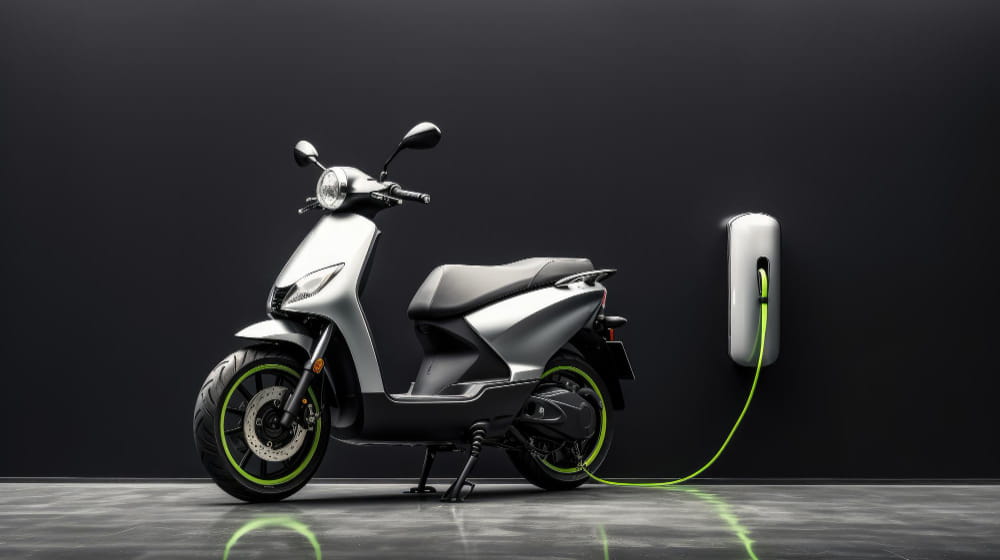
The transportation industry is rapidly evolving as consumers seek cost-effective, environmentally friendly, and efficient mobility solutions. Rising fuel prices, increasing traffic congestion, and growing environmental concerns have accelerated the adoption of electric vehicles worldwide. Among these innovations, electric bikes have emerged as one of the most practical and sustainable modes of transportation.
Electric bikes, commonly known as e-bikes, combine traditional cycling with advanced electric propulsion technology, providing riders with a convenient and energy-efficient commuting experience. Their ability to reduce physical effort while offering eco-friendly transportation has made them increasingly popular among commuters, businesses, and recreational users.
What is an Electric Bike?
An electric bike is a bicycle equipped with an electric motor, rechargeable battery, and electronic control system that assists the rider during pedaling. Unlike conventional bicycles, electric bikes provide additional power support, making it easier to travel longer distances, climb hills, and commute with less physical strain.
Electric bikes are available in various designs and performance levels, catering to urban commuting, cargo transportation, recreational riding, and off-road adventures.
How Does an Electric Bike Work?
An electric bike operates through the integration of several advanced components. The rechargeable battery supplies power to the electric motor, while sensors detect pedaling activity and determine the level of assistance required.
When the rider pedals or activates the throttle, the motor provides additional propulsion, reducing effort and improving riding efficiency. The electronic controller continuously manages power distribution, ensuring smooth acceleration, optimal battery usage, and safe operation.
Modern electric bikes also include intelligent battery management systems that monitor charging cycles, temperature, and overall battery health.
Main Components of an Electric Bike
The performance of an electric bike depends on several essential components. The electric motor is responsible for providing assistance, while the battery serves as the primary energy source. The controller manages communication between the motor, battery, and sensors.
Additional components such as display panels, pedal-assist sensors, braking systems, and smart connectivity features further enhance the riding experience and overall functionality.
Types of Electric Bikes
Electric bikes are designed to meet different riding requirements and applications. Commuter e-bikes are ideal for daily urban transportation, offering comfort and efficiency for city travel.
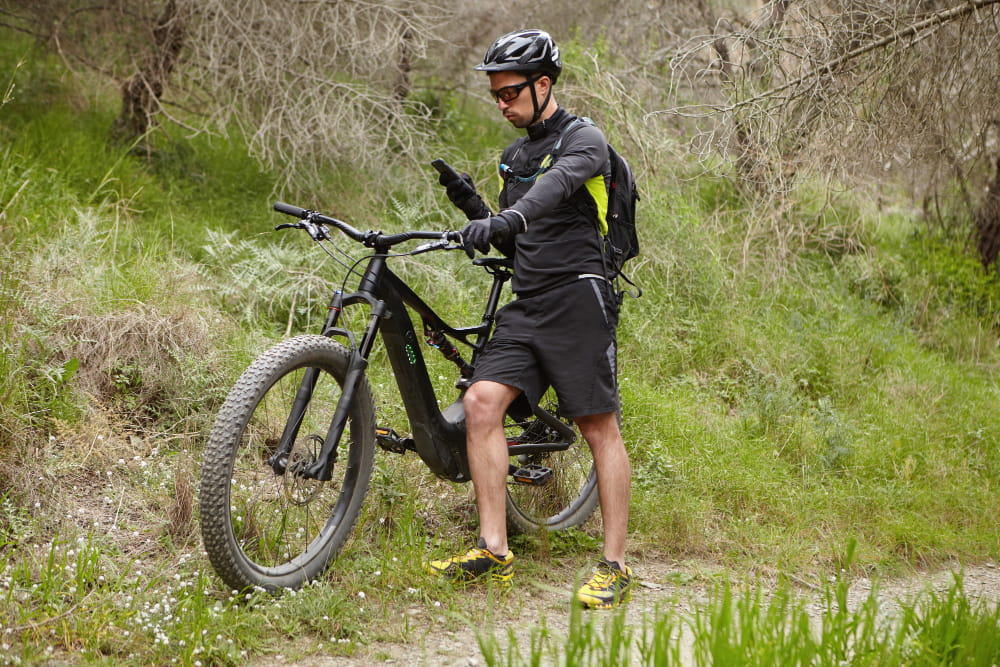
Mountain e-bikes are specifically designed for off-road terrains and challenging riding conditions. Folding electric bikes provide portability and convenience for users with limited storage space, while cargo electric bikes are increasingly used for commercial deliveries and logistics applications.
Hybrid electric bikes combine multiple features, making them suitable for both recreational and professional use.
Key Features and Technologies
Modern electric bikes incorporate advanced technologies that significantly improve performance and user experience. High-capacity lithium-ion batteries provide extended riding ranges and faster charging capabilities.
Smart display systems allow riders to monitor speed, battery levels, riding modes, and distance traveled in real time. Many premium models also support GPS tracking, mobile application integration, anti-theft systems, regenerative braking, and intelligent power management technologies.
The integration of connected technologies is transforming electric bikes into smart mobility solutions capable of delivering enhanced convenience and safety.
Benefits of Electric Bikes
Electric bikes offer numerous advantages for both individuals and businesses. They significantly reduce transportation costs by minimizing dependence on conventional fuels and lowering maintenance expenses.
Their environmentally friendly operation helps reduce carbon emissions and supports sustainable urban mobility initiatives. Electric bikes also encourage physical activity by providing adjustable pedal assistance that makes cycling accessible to a broader range of users.
Additionally, electric bikes improve commuting efficiency by reducing travel time in congested urban environments and offering greater flexibility for short-distance transportation.
Applications of Electric Bikes
Electric bikes are widely used across various sectors and applications. They have become a preferred choice for daily commuting, recreational riding, tourism services, and campus transportation.
Businesses increasingly utilize cargo electric bikes for last-mile delivery operations due to their low operating costs and environmental benefits. Government organizations and smart cities are also promoting electric bikes as part of sustainable transportation programs aimed at reducing traffic congestion and improving air quality.
How to Choose the Right Electric Bike
Selecting the right electric bike requires careful consideration of several factors, including battery capacity, motor power, riding range, charging time, and intended usage.
Users should also evaluate frame design, comfort, safety features, braking systems, and smart connectivity options. Choosing a reliable electric bike with high-quality components can significantly improve performance, durability, and overall user satisfaction.
Investing in a suitable electric bike ensures long-term value and provides a practical transportation solution for modern mobility needs.
Maintenance Tips for Electric Bikes
Proper maintenance is essential to maximize the lifespan and performance of an electric bike. Regular battery charging, tire inspection, brake maintenance, and periodic cleaning help maintain optimal efficiency.
Users should also follow manufacturer recommendations regarding battery storage, charging practices, and software updates to ensure safe and reliable operation.
Routine maintenance can significantly extend component life and reduce long-term operating costs.
Future Trends in Electric Bike Technology
The future of electric bikes is closely linked to advancements in battery technology, smart connectivity, and sustainable transportation infrastructure.
Emerging innovations such as solid-state batteries, artificial intelligence-based ride optimization, IoT integration, and advanced energy management systems are expected to further enhance electric bike performance.
As governments and industries continue to invest in green mobility initiatives, electric bikes are likely to become an increasingly important component of future transportation ecosystems.
Conclusion
Electric bikes are transforming the way people commute by offering an efficient, eco-friendly, and cost-effective alternative to conventional transportation methods. Their advanced technologies, low environmental impact, and versatile applications make them an ideal solution for modern mobility challenges.
With continuous innovation and increasing global adoption, electric bikes are expected to play a vital role in shaping the future of sustainable transportation.
Frequently Asked Questions (FAQs)
What is an electric bike?
An electric bike is a bicycle equipped with an electric motor and rechargeable battery that provides pedal assistance during riding.
How far can an electric bike travel on a single charge?
The riding range depends on battery capacity, terrain, rider weight, and assistance mode, typically ranging from 30 to 150 kilometers.
Are electric bikes environmentally friendly?
Yes, electric bikes produce significantly lower carbon emissions compared to conventional fuel-powered vehicles.
How long does it take to charge an electric bike battery?
Most electric bike batteries require approximately 3 to 6 hours for a full charge.
Are electric bikes suitable for daily commuting?
Yes, electric bikes are highly suitable for daily commuting due to their low operating costs, ease of use, and ability to navigate urban traffic efficiently.
Share this content:

Post Comment