AC Charger: A Complete Guide to Working, Features, Benefits, and Applications
As electronic devices continue to become an essential part of everyday life, the need for reliable and efficient charging solutions has increased significantly. Smartphones, laptops, medical devices, industrial equipment, and electric vehicles all depend on proper power management to function effectively. However, using incompatible or low-quality charging systems can lead to slow charging, reduced battery life, overheating, and even device failure.
This is where AC chargers play a crucial role. AC chargers provide a safe and efficient method of converting electrical power into a suitable form for charging various devices. With advancements in charging technology and the growing demand for energy-efficient solutions, AC chargers have become an indispensable component across multiple industries.
What is an AC Charger?
An AC charger, also known as an Alternating Current charger, is a device designed to convert alternating current (AC) supplied by electrical outlets into direct current (DC) required by batteries and electronic devices. Since most residential, commercial, and industrial power systems provide electricity in AC form, chargers are essential for delivering the appropriate voltage and current needed for charging applications.
AC chargers are available in various capacities and configurations, making them suitable for a wide range of devices, from small consumer electronics to large industrial systems and electric vehicles.
Working Principle of an AC Charger
The operation of an AC charger involves several stages of power conversion and regulation. Initially, the charger receives alternating current from the electrical supply. This power then passes through internal electronic circuits that convert the AC input into regulated direct current.
Modern AC chargers include voltage regulation and current control mechanisms that ensure stable power delivery throughout the charging process. Intelligent charging systems continuously monitor battery conditions and automatically adjust charging parameters to optimize efficiency and prevent damage.
Additionally, advanced protection systems help safeguard both the charger and the connected device against over-voltage, over-current, short circuits, and excessive temperatures.
Features and Technologies of Modern AC Chargers
Modern AC chargers incorporate several advanced technologies to improve performance, efficiency, and user convenience. Fast charging technologies enable devices to reach higher charge levels in shorter periods, reducing downtime and improving productivity.
Smart charging features allow chargers to automatically detect device requirements and deliver optimized power output. Many chargers now support multiple charging ports, compact designs, and energy-efficient components that minimize power loss.
Emerging technologies such as USB-C Power Delivery (PD), Gallium Nitride (GaN) semiconductors, and intelligent battery management systems are further transforming the charging industry by offering higher efficiency, smaller form factors, and improved thermal performance.
Benefits of AC Chargers
One of the major advantages of AC chargers is their ability to provide reliable and stable charging performance. They ensure safe energy transfer while protecting devices from electrical fluctuations and charging-related issues.
AC chargers also contribute to extending battery life by preventing overcharging and maintaining optimal charging conditions. Their versatility allows them to support numerous devices across different industries and applications.
Furthermore, modern energy-efficient chargers help reduce power consumption and operating costs, making them an environmentally friendly charging solution.
Industry Applications of AC Chargers
AC chargers are widely utilized across various industries due to their flexibility and reliability.
In the consumer electronics sector, they are used for charging smartphones, tablets, laptops, wearable devices, cameras, and home appliances. Industrial environments rely on AC chargers for portable instruments, communication devices, automation equipment, and backup systems.
The healthcare industry uses specialized AC charging solutions for medical monitoring devices, diagnostic equipment, and portable healthcare systems where uninterrupted power is essential.
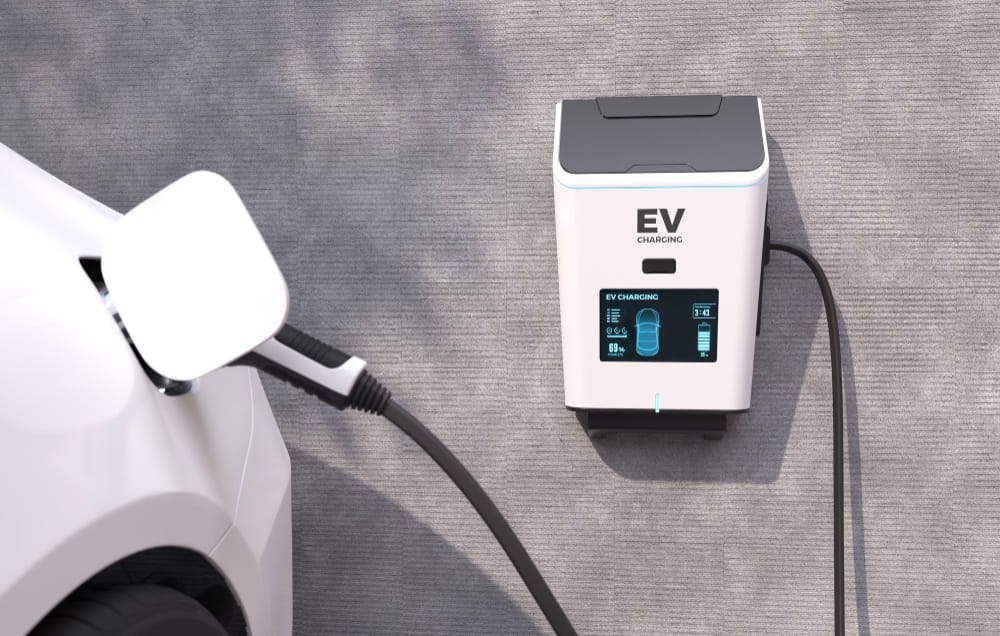
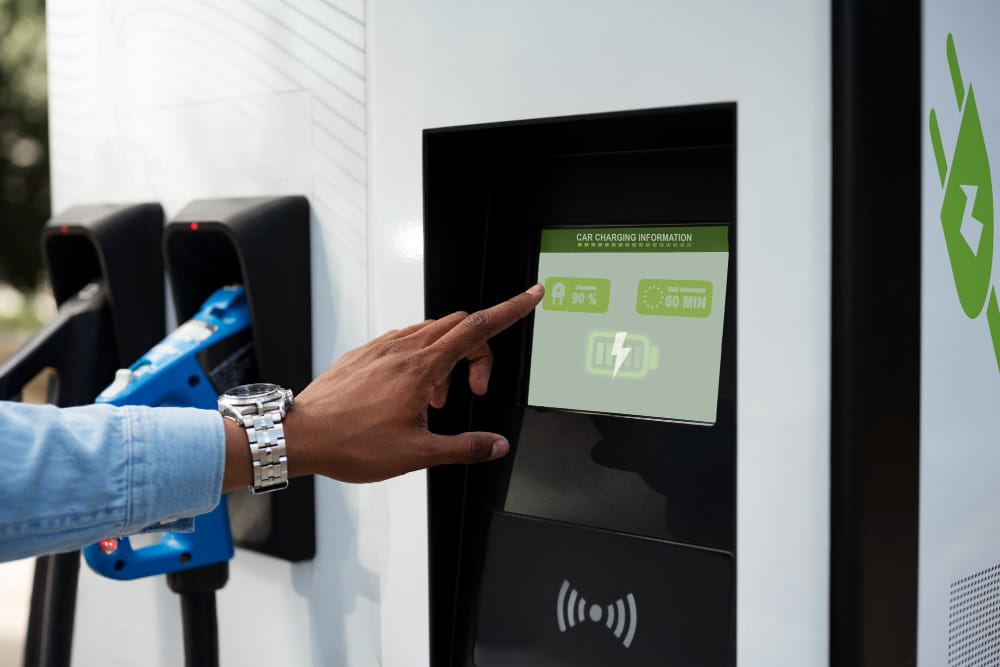
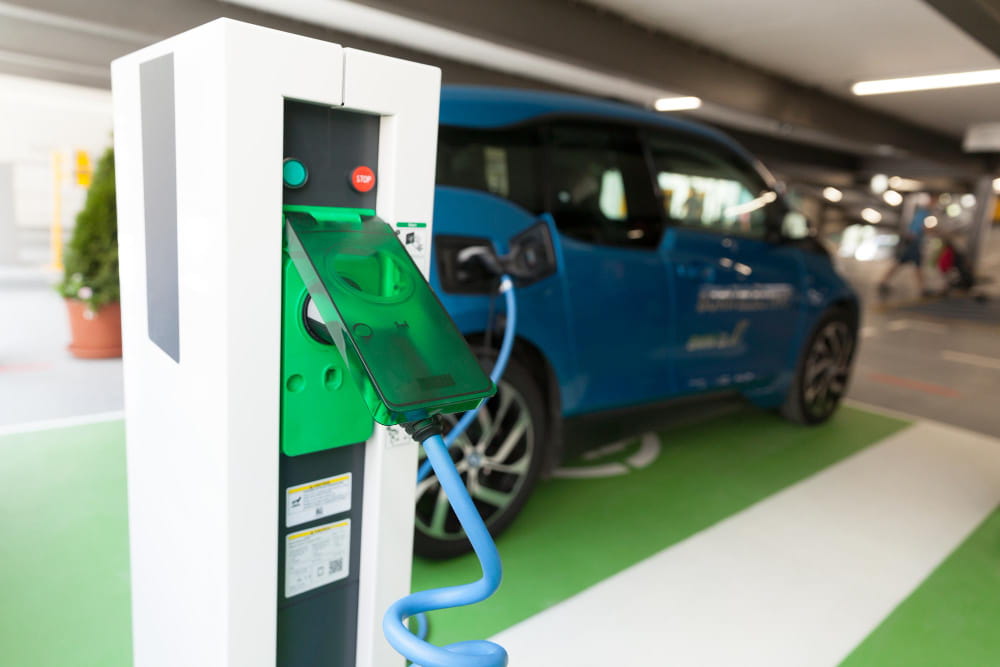
The rapid growth of electric vehicles has also increased the demand for advanced AC charging infrastructure. Residential and commercial EV charging stations commonly utilize AC chargers to provide convenient and efficient vehicle charging solutions.
How to Choose the Right AC Charger
Selecting the right AC charger requires careful evaluation of several important factors.
Compatibility is one of the primary considerations. The charger should provide the correct voltage and current ratings suitable for the intended device. Charging speed requirements should also be considered, particularly for applications requiring fast and frequent charging.
Safety certifications and built-in protection mechanisms are equally important to ensure reliable operation and long-term durability. Users should also assess factors such as portability, energy efficiency, build quality, and the availability of multiple charging ports when selecting an AC charger.
Investing in a high-quality charger can significantly improve device performance, enhance safety, and extend battery lifespan.
Future Trends in AC Charging Technology
The future of AC charging technology is focused on developing smarter, faster, and more sustainable charging solutions. Manufacturers are increasingly adopting intelligent charging systems capable of real-time monitoring, predictive maintenance, and adaptive power management.
The growing adoption of GaN technology is enabling the production of smaller and more efficient chargers with higher power density and improved thermal performance.
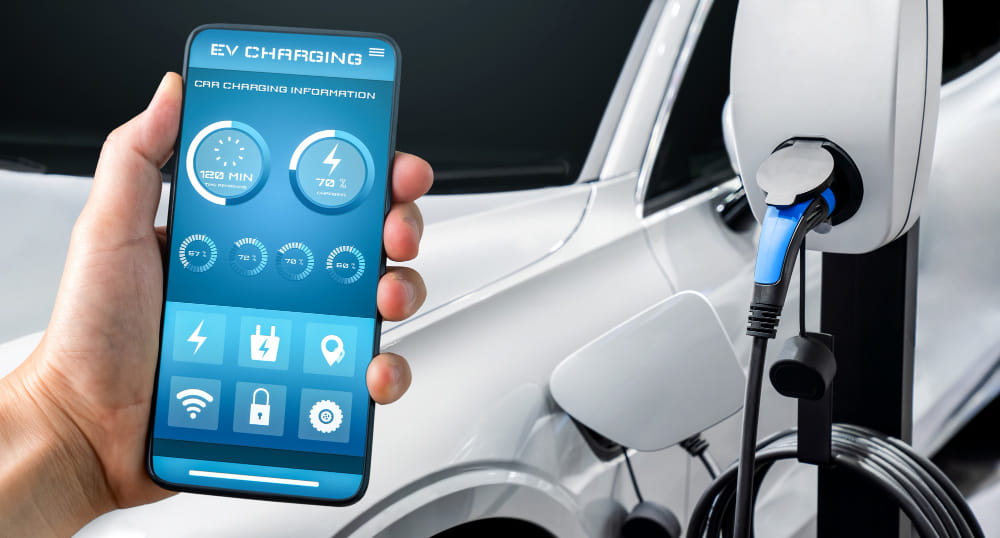
Integration with Internet of Things (IoT) platforms and smart energy management systems is also expected to revolutionize charging infrastructure by enabling remote monitoring and energy optimization.
As industries continue to move toward electrification and connected technologies, AC chargers will play an increasingly important role in supporting future energy ecosystems.
Conclusion
AC chargers have become an essential component of modern electronic systems, enabling safe, reliable, and efficient power delivery across numerous applications. Their ability to convert electrical power while protecting devices and batteries makes them indispensable in both consumer and industrial environments.
With continuous advancements in charging technologies, modern AC chargers are becoming increasingly intelligent, compact, and energy-efficient. Understanding their working principles, features, and applications can help individuals and businesses make informed decisions when selecting the right charging solutions for their specific needs.
Frequently Asked Questions (FAQs)
What is the main function of an AC charger?
The primary function of an AC charger is to convert alternating current from an electrical outlet into direct current suitable for charging batteries and electronic devices.
Are AC chargers safe for electronic devices?
Yes, high-quality AC chargers include multiple safety features such as over-voltage, over-current, short-circuit, and temperature protection mechanisms.
What is the difference between AC and DC chargers?
AC chargers convert alternating current into direct current for charging purposes, while DC chargers typically provide direct current directly to the battery system and are often used for high-speed charging applications.
Can AC chargers support fast charging?
Yes, many modern AC chargers support advanced fast charging technologies such as USB Power Delivery and Quick Charge protocols.
Which industries commonly use AC chargers?
AC chargers are widely used in consumer electronics, industrial automation, healthcare equipment, telecommunications, renewable energy systems, and electric vehicle charging infrastructure.
Share this content:
Post Comment