Fastest Electric Scooter: Speed, Features, and Everything You Need to Know
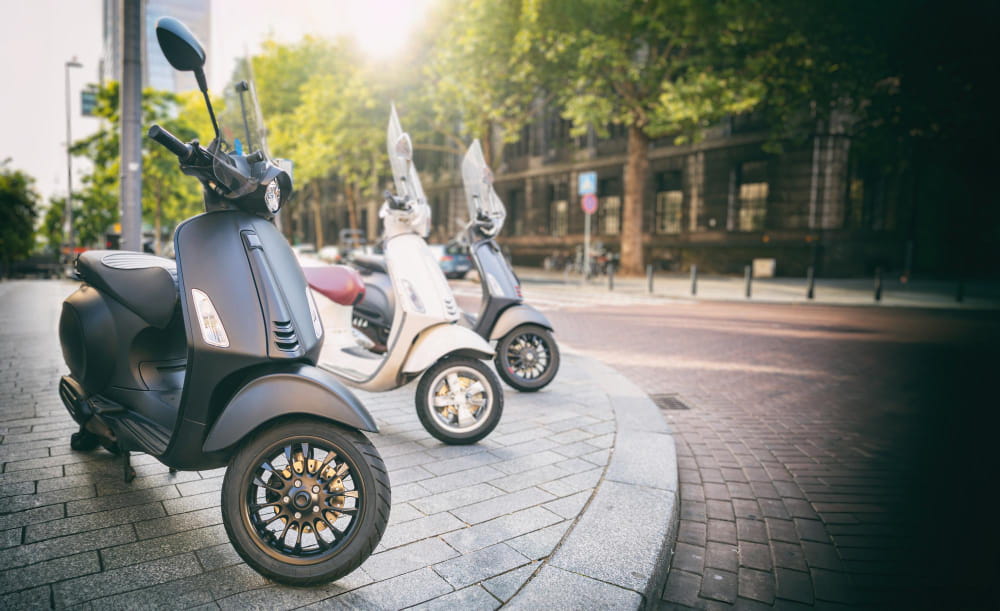
Electric scooters have rapidly evolved from simple urban commuting vehicles into high-performance machines capable of delivering exceptional speed and power. Thanks to continuous advancements in battery technology, electric motors, and lightweight materials, modern electric scooters can achieve speeds that were once considered impossible for personal mobility devices.
However, the fastest electric scooter isn’t simply the one with the highest top speed. True performance is a combination of acceleration, stability, battery efficiency, braking capability, and rider safety. Whether you’re researching electric scooters for commuting or exploring high-performance models, understanding what affects speed can help you make a more informed decision.
How Fast Can an Electric Scooter Go?
Electric scooter speeds vary depending on their purpose and specifications. Entry-level models are typically designed for short-distance commuting and usually reach speeds between 20 and 30 km/h. Mid-range scooters often travel between 40 and 60 km/h, making them suitable for longer commutes and recreational rides.
High-performance electric scooters can exceed 80 km/h, while specialized racing models built for private tracks and controlled environments may reach speeds of over 150 km/h. These extreme-performance scooters are not intended for everyday road use and require experienced riders due to their powerful acceleration and advanced handling characteristics.
Although manufacturers advertise maximum speeds, actual performance depends on several external factors, including rider weight, terrain, weather conditions, battery charge, and tire pressure.
Factors That Influence Electric Scooter Speed
The speed of an electric scooter depends on multiple engineering components working together. Motor power is one of the most important factors. Higher-wattage motors generate greater torque, allowing the scooter to accelerate faster and maintain higher speeds, especially when climbing hills.
Battery voltage also plays a significant role. Higher-voltage battery systems provide more power to the motor, resulting in improved acceleration and higher top speeds. Battery capacity, measured in watt-hours (Wh), determines how long the scooter can maintain its performance before requiring a recharge.
Motor controllers regulate the flow of electricity between the battery and motor. An efficient controller ensures smooth acceleration, better energy management, and consistent performance throughout the ride.
The scooter’s overall weight also affects speed. Lightweight frames require less energy to move, while heavier scooters may sacrifice acceleration in exchange for improved stability and durability.
Aerodynamics become increasingly important at higher speeds. Reduced wind resistance allows the scooter to travel more efficiently while improving rider control during fast rides.
Why Real-World Speed Is Different
Maximum speed figures are generally measured under ideal testing conditions. In everyday riding, several factors reduce performance.
A heavier rider places additional demand on the motor, reducing acceleration and top speed. Riding uphill requires significantly more power than traveling on flat roads, while strong headwinds create additional air resistance. Cold weather may temporarily reduce battery efficiency, and riding with a partially discharged battery often limits maximum speed.
Road surface quality also affects performance. Smooth pavement allows the scooter to operate efficiently, while rough roads or uneven terrain require more energy and reduce overall speed.
Because of these variables, most riders experience slightly lower speeds than the manufacturer’s advertised maximum.
Speed vs. Performance
Many buyers focus exclusively on top speed, but performance involves much more than a single number.
Acceleration determines how quickly the scooter reaches cruising speed and responds in traffic. Strong acceleration improves overtaking ability and makes riding more enjoyable.
Braking performance is equally important. High-speed scooters require advanced braking systems capable of stopping safely without losing stability. Reliable brakes help reduce stopping distances and improve rider confidence.
Suspension also plays a crucial role in performance. A quality suspension system absorbs shocks from potholes, speed bumps, and uneven roads, allowing the rider to maintain better control even at higher speeds.
Larger pneumatic tires further improve grip, stability, and comfort while reducing vibrations during long rides.
Battery Performance and Range
A powerful battery is essential for maintaining high speeds over longer distances. Larger battery packs provide consistent power delivery and reduce performance loss during extended rides.
Battery range depends on several factors, including riding speed, terrain, rider weight, weather conditions, and riding style. Higher speeds consume significantly more energy, meaning that riding at maximum speed continuously will reduce the scooter’s overall range.
Proper battery care, including regular charging and avoiding extreme temperatures, helps maintain long-term performance and extends battery life.
Safety at High Speeds
As electric scooters become faster, rider safety becomes increasingly important. High-speed riding requires greater attention, faster reaction times, and appropriate protective equipment.
A certified full-face helmet offers the highest level of protection and is strongly recommended for high-speed riding. Gloves improve grip and protect the hands during falls, while knee pads, elbow guards, and protective jackets help minimize injuries.
Regular maintenance is equally essential. Tires should be properly inflated, brakes should be inspected frequently, and all moving components should be checked for wear. Riding a well-maintained scooter significantly improves safety and reliability.
Responsible riding is equally important. Riders should always adjust their speed according to traffic conditions, weather, and road quality rather than attempting to reach maximum speed whenever possible.
Legal Considerations
Electric scooter regulations differ across countries and regions. Many governments impose speed limits for scooters used on public roads and cycle lanes. Higher-performance scooters may require registration, insurance, or a driving licence depending on local transportation laws.
Before purchasing or operating a high-speed electric scooter, it is important to understand the regulations in your area to ensure legal and safe riding.
Future of High-Speed Electric Scooters
The future of electric scooters looks promising as manufacturers continue to improve battery technology, motor efficiency, and intelligent safety systems. Faster charging, lighter batteries, regenerative braking, traction control, and smart riding modes are becoming increasingly common.
Advances in artificial intelligence, connected vehicle technology, and energy management are expected to make future electric scooters even more efficient, safer, and capable of delivering higher performance while extending battery life.
Conclusion
The fastest electric scooters demonstrate how far personal electric mobility has advanced in recent years. While modern scooters are capable of remarkable speeds, true performance is determined by much more than top speed alone. Motor efficiency, battery quality, suspension, braking systems, stability, and rider safety all contribute to an enjoyable riding experience.
Instead of focusing only on speed, riders should consider overall performance, comfort, range, and reliability. A well-designed electric scooter that offers balanced performance and dependable safety features will always provide greater value than one built solely to achieve the highest speed. As technology continues to evolve, electric scooters will become faster, smarter, safer, and more practical for riders around the world.
Share this content:
Post Comment