Buying an Electric Car in India? 15 Things You Must Check Before You Buy (2026 Guide)
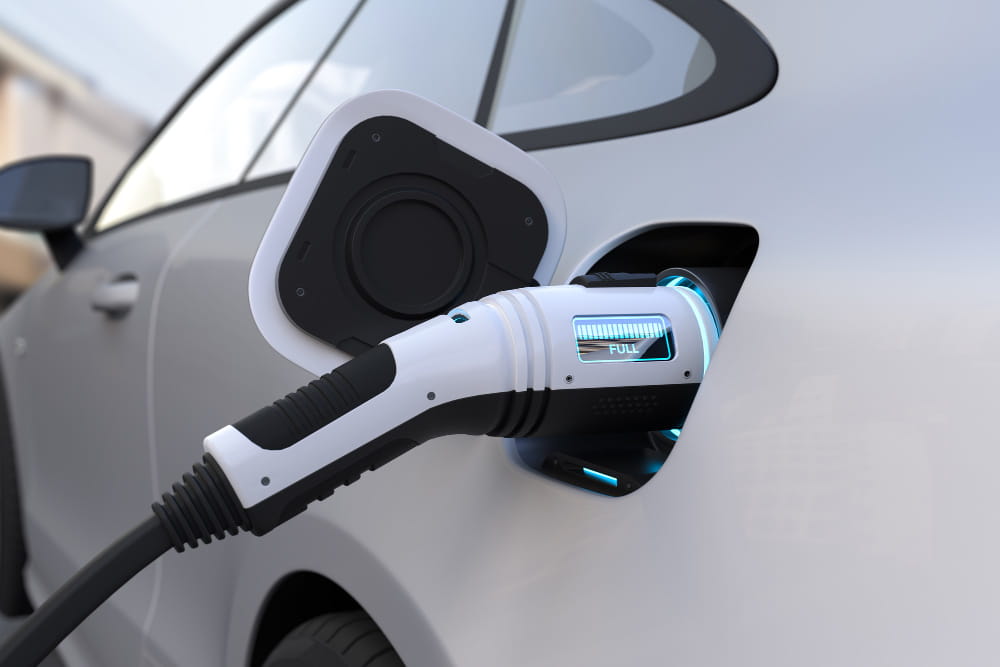
India’s electric vehicle (EV) market is growing faster than ever. With rising fuel prices, improved charging infrastructure, and a wider range of EV options, many Indian car buyers are seriously considering making the switch to electric in 2026.
However, buying an electric car is different from buying a conventional petrol or diesel vehicle. Factors such as battery health, charging availability, real-world range, and long-term ownership costs play a crucial role in the purchase decision.
If you’re planning to buy your first EV, this comprehensive guide will help you make an informed decision and avoid costly mistakes.
Assess Your Daily Driving Requirements
Before shortlisting any electric car, understand your driving pattern.
Ask yourself:
- How many kilometers do you drive daily?
- Do you mostly drive within the city?
- How often do you travel on highways?
- Do you frequently undertake long road trips?
For urban commuters covering 30–50 km daily, most entry-level EVs offer sufficient range. However, if you regularly travel long distances, you should consider models with larger battery packs and fast-charging capabilities.
Choosing a vehicle based on actual usage helps you avoid overspending.
Focus on Real-World Range, Not Claimed Range
One of the biggest mistakes first-time EV buyers make is relying solely on the manufacturer’s claimed range.
Certified figures are tested under specific conditions and may differ significantly from real-world performance.
Actual driving range depends on:
- Driving speed
- Air-conditioner usage
- Traffic conditions
- Number of passengers
- Terrain and road quality
- Weather conditions
In Indian conditions, most EVs typically deliver around 75% to 90% of their claimed range.
Always check independent road tests and owner reviews before making a purchase.
Choose the Right Battery Size
Battery capacity, measured in kilowatt-hours (kWh), directly affects range and pricing.
A larger battery usually offers:
- More driving range
- Better highway usability
- Reduced range anxiety
However, larger batteries also increase vehicle cost and charging time.
Choose a battery size that suits your daily requirements rather than opting for the biggest battery available.
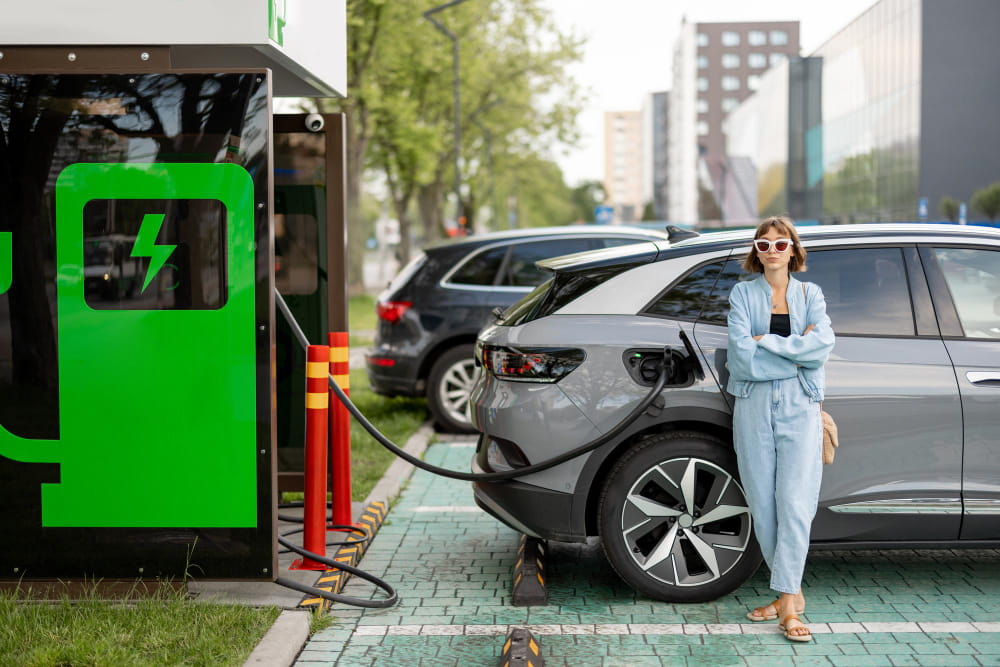
Ensure You Can Install a Home Charger
Home charging remains the most convenient and cost-effective way to own an EV.
Before purchasing, verify:
- Availability of dedicated parking.
- Proximity of an electrical connection to the parking area.
- Capacity of your home’s electrical system.
- Housing society permissions for charger installation.
Apartment owners should discuss installation procedures with their Resident Welfare Association (RWA) before finalizing the purchase.
Check Charging Infrastructure in Your City
India’s charging network is expanding rapidly, but availability varies considerably between cities.
Research:
- Public charging stations near your residence.
- Chargers along your regular commute.
- Fast-charging stations on highways you frequently use.
Reliable charging infrastructure significantly improves the ownership experience and reduces range anxiety.
Verify Fast Charging Support
Not every electric car supports high-speed charging.
Fast charging can make a major difference, especially during intercity travel.
Check:
- Maximum DC fast-charging speed.
- Compatibility with commonly available charging networks.
- Time required to charge from 10% to 80%.
A vehicle with robust fast-charging capability offers greater convenience for long-distance travel.
Understand Battery Warranty Terms
The battery pack is the most expensive component in an electric vehicle.
Therefore, carefully review the warranty details.
Pay attention to:
- Warranty duration.
- Kilometer limitations.
- Battery replacement policies.
- Capacity retention guarantees.
Most manufacturers in India now offer battery warranties ranging between 8 and 10 years, providing additional peace of mind.
Calculate the Total Cost of Ownership
An EV may cost more initially, but long-term ownership costs are generally lower.
Consider the following expenses:
Upfront Costs
- Vehicle purchase price
- Registration charges
- Insurance premium
- Home charger installation
Running Costs
- Electricity expenses
- Periodic maintenance
- Tire replacement
- Insurance renewals
Comparing total ownership costs over five to eight years gives a clearer picture of the vehicle’s true value.
Ask About Battery Replacement Costs
Although modern EV batteries are designed to last many years, replacement costs can still be significant.
Before buying, ask the dealer about:
- Estimated battery replacement costs.
- Expected battery lifespan.
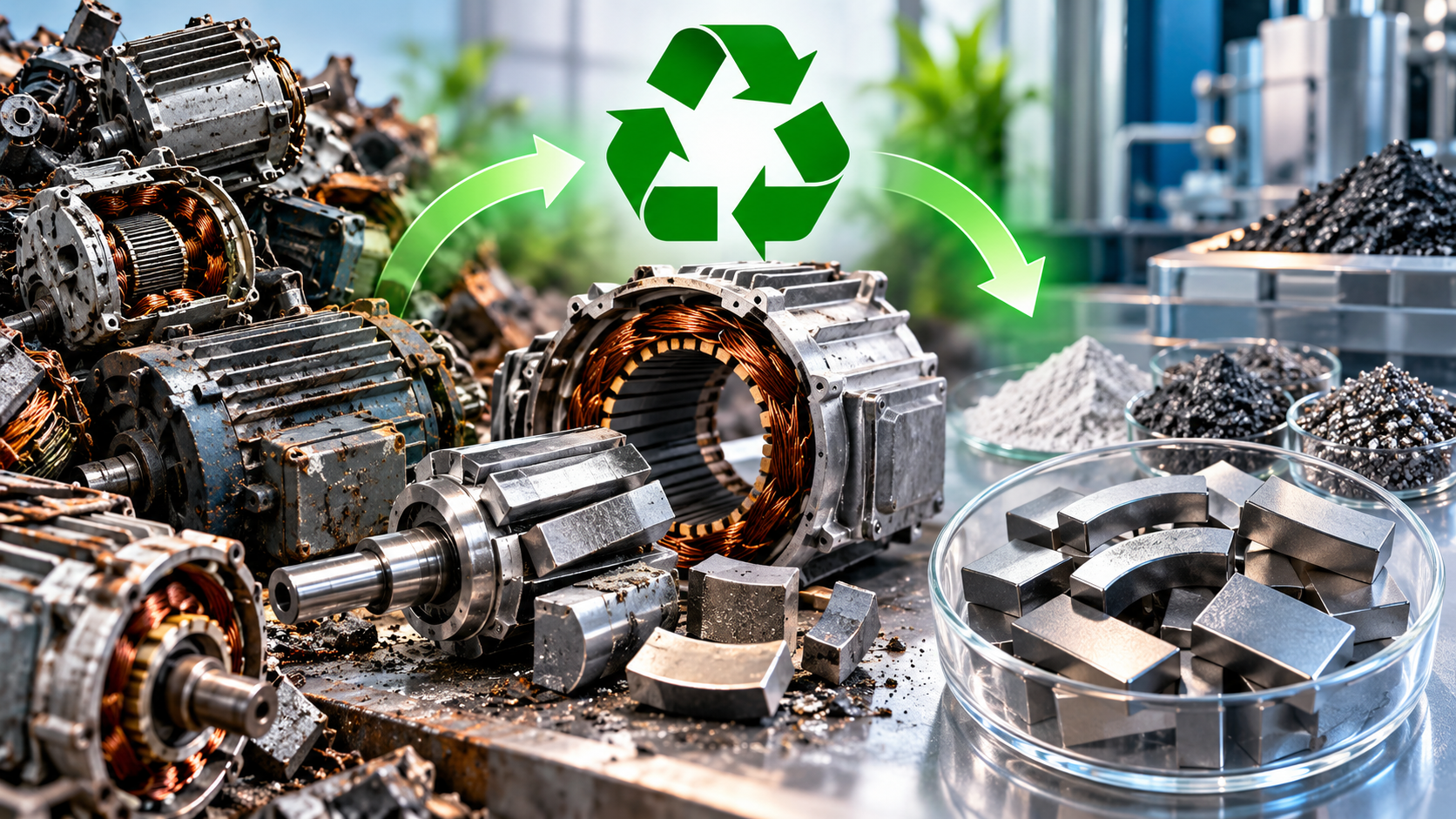
- Battery refurbishment or recycling options.
- Battery health monitoring systems.
Understanding future costs helps in making a financially sound decision.
Evaluate the Brand’s Service Network
After-sales support is critical for a hassle-free ownership experience.
Check:
- Availability of authorized service centers in your city.
- Access to trained EV technicians.
- Roadside assistance facilities.
- Spare parts availability.
A well-established service network ensures faster support whenever required.
Explore Connected Car Features
Modern electric cars are increasingly software-driven.
Useful features include:
- Smartphone app connectivity.
- Remote charging management.
- Live battery monitoring.
- Vehicle diagnostics.
- Over-the-air software updates.
- Charging station navigation.
Regular software updates can improve performance and add new functionalities over time.
Prioritize Safety Features
Safety should never be compromised, regardless of budget.
Look for:
- High crash-test ratings.
- Multiple airbags.
- Electronic Stability Control (ESC).
- ABS with EBD.
- Traction control systems.
- Advanced Driver Assistance Systems (ADAS).
A safer vehicle protects both passengers and investment.
Take an Extensive Test Drive
Never buy an EV without a proper test drive.
During the drive, evaluate:
- Regenerative braking feel.
- Ride comfort.
- Noise insulation.
- Acceleration performance.
- Rear-seat comfort.
- Boot space.
- Visibility and driving ergonomics.
If possible, test the vehicle in both city traffic and highway conditions.
Check Available Government Incentives
State governments across India continue to offer various incentives for EV buyers.
These may include:
- Road tax exemptions.
- Registration fee waivers.
- Purchase subsidies.
- Scrappage benefits.
Since policies frequently change, verify the latest incentives applicable in your state before purchasing.
Consider Resale Value Before Buying
The Indian EV market is evolving rapidly, making resale value an important consideration.
Factors influencing resale include:
- Brand reputation.
- Battery health.
- Remaining warranty coverage.
- Charging compatibility.
- Demand in the used-car market.
Vehicles from established manufacturers often enjoy stronger resale value.
Common Mistakes First-Time EV Buyers Make
Many buyers rush into purchasing an EV without proper planning.
Common mistakes include:
- Choosing an EV solely based on advertised range.
- Ignoring home charging feasibility.
- Not researching charging infrastructure.
- Overlooking battery warranty terms.
- Underestimating long-distance travel requirements.
Avoiding these mistakes can significantly improve your ownership experience.
Frequently Asked Questions (FAQs)
Is buying an electric car in India worth it in 2026?
Yes. For most urban commuters, electric cars offer lower running costs, reduced maintenance expenses, and an environmentally friendly driving experience.
How long does an EV battery last?
Most modern EV batteries are designed to last between 8 and 15 years, depending on usage and maintenance.
Can I charge an EV at home?
Yes. Most electric cars sold in India support home charging through dedicated wall chargers.
Are electric cars suitable for long-distance travel?
Yes, provided adequate charging infrastructure is available along the route and the vehicle supports fast charging.
Are EV maintenance costs lower than petrol cars?
Generally, yes. EVs have fewer moving parts and typically require less maintenance than internal combustion engine vehicles.
Final Thoughts
Buying an electric car in India in 2026 can be a smart long-term decision, but only if you choose the right vehicle for your needs.
Instead of focusing solely on price or advertised range, evaluate factors such as charging convenience, battery warranty, service support, ownership costs, and real-world usability.
A well-researched purchase will ensure a smoother ownership experience and help you enjoy all the benefits that electric mobility has to offer.
Are you planning to buy your first electric car in 2026? Share your questions or concerns in the comments below.
Share this content:
Post Comment