Electric Cars vs. CNG Cars: What’s More Eco-Friendly?
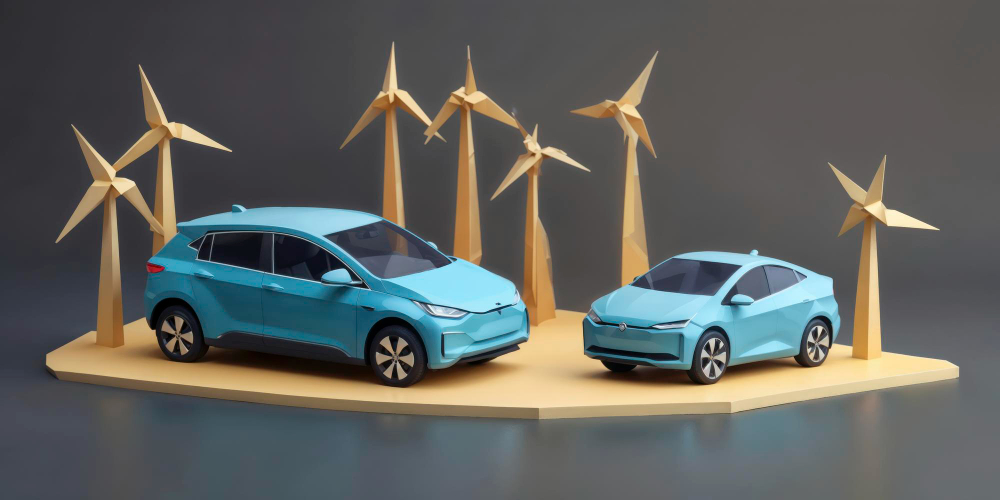
As environmental concerns and fuel costs rise, consumers and policymakers are increasingly comparing alternative vehicle technologies. Electric cars (EVs) and Compressed Natural Gas (CNG) cars are often seen as cleaner alternatives to petrol and diesel vehicles. But when it comes to eco-friendliness, which option truly has the lower environmental impact? Let’s take a closer look.
Environmental Impact and Emissions
Electric cars produce zero tailpipe emissions, making them significantly cleaner in urban environments. They help reduce air pollution, noise levels, and greenhouse gas emissions at the point of use. However, the overall environmental impact of EVs also depends on how electricity is generated. When powered by renewable energy, EVs offer the lowest carbon footprint among all vehicle types.
CNG cars, while cleaner than petrol and diesel vehicles, still emit carbon dioxide and other gases during combustion. Although CNG produces lower emissions and particulate matter compared to traditional fuels, it remains a fossil fuel and contributes to greenhouse gas emissions over time.
Energy Efficiency and Resource Usage
Electric vehicles are highly energy-efficient, converting a larger percentage of energy into actual vehicle movement. Advances in battery technology continue to improve efficiency, range, and lifecycle performance. However, battery production involves mining of materials like lithium and cobalt, which has environmental implications if not managed responsibly.
CNG vehicles rely on natural gas extraction and distribution, which can lead to methane leakage — a potent greenhouse gas. While CNG engines are more efficient than petrol engines, they still lag behind EVs in overall energy efficiency and long-term sustainability.
Long-Term Sustainability and Future Readiness
From a long-term sustainability perspective, electric cars are better aligned with global climate goals. As countries invest more in renewable energy and cleaner power grids, the environmental benefits of EVs will continue to grow. EVs also support the transition toward energy independence and smart mobility ecosystems.
CNG cars serve as a transitional solution, especially in regions where EV infrastructure is still developing. They offer immediate emission reductions compared to petrol and diesel vehicles but are not a permanent zero-emission solution.
Conclusion
Both electric cars and CNG cars are more eco-friendly than conventional fuel vehicles, but electric cars have a clear advantage in the long run. With zero tailpipe emissions, higher energy efficiency, and compatibility with renewable energy, EVs represent the most sustainable option for the future. CNG cars remain a cleaner short-term alternative, particularly where EV infrastructure is limited. Ultimately, the choice depends on infrastructure availability, usage needs, and long-term environmental priorities — but electric mobility leads the way toward a greener tomorrow.
Share this content:



Post Comment