Top EV Battery Innovations Shaping the Future of Electric Vehicles
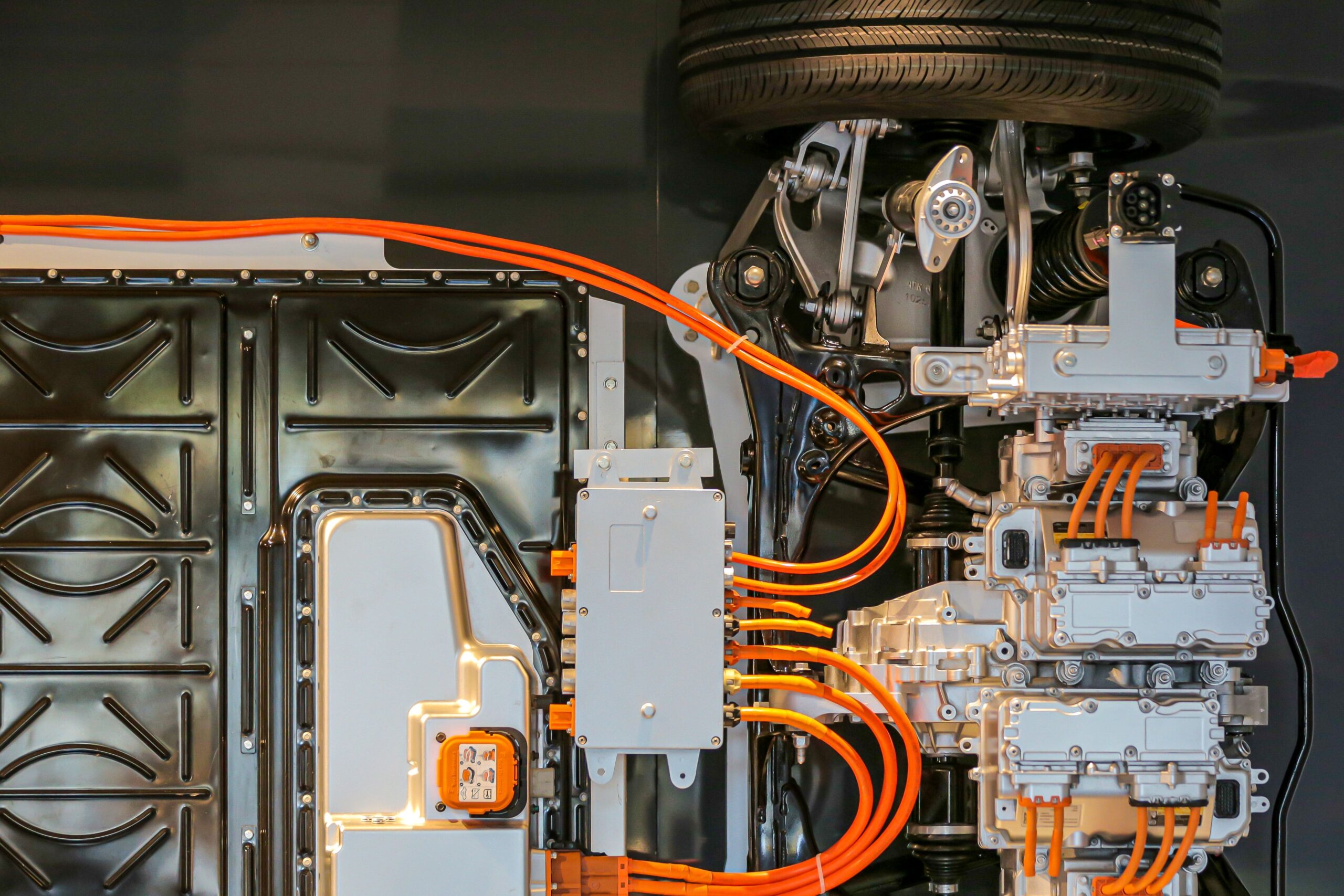
Battery technology lies at the heart of the electric vehicle (EV) revolution. As the global EV market accelerates, continuous innovation in battery design, chemistry, and performance is transforming how electric vehicles are built, driven, and charged. From longer ranges to faster charging and improved safety, next-generation EV batteries are shaping the future of sustainable mobility.
Solid-State Batteries
Solid-state batteries are considered one of the most promising breakthroughs in EV technology. Unlike conventional lithium-ion batteries that use liquid electrolytes, solid-state batteries rely on solid electrolytes, offering higher energy density, faster charging, and enhanced safety. These batteries significantly reduce the risk of overheating and fire while enabling longer driving ranges, making them a game-changer for future electric vehicles.
Lithium-Iron-Phosphate (LFP) Battery Advancements
Lithium-Iron-Phosphate (LFP) batteries are gaining popularity due to their durability, cost-effectiveness, and thermal stability. Recent innovations have improved LFP energy density, making them suitable for a wider range of EVs. Their longer life cycles and lower dependence on rare materials make LFP batteries an attractive option for mass-market electric vehicles and commercial fleets.
Fast-Charging and Ultra-Fast Charging Technologies
Battery innovation is also focused on reducing charging time. Advances in fast-charging and ultra-fast charging technologies allow EVs to recharge in minutes rather than hours. Improved battery chemistries and cooling systems enable higher power intake without degrading battery life,
enhancing convenience and accelerating EV adoption.
Battery Recycling and Second-Life Solutions
Sustainability is driving innovation beyond battery performance. Battery recycling and second-life applications are becoming critical to reducing environmental impact. Used EV batteries are increasingly repurposed for energy storage systems, while advanced recycling technologies recover valuable materials such as lithium, cobalt, and nickel, supporting a circular EV economy.
Artificial Intelligence and Smart Battery Management Systems
Artificial intelligence (AI) is playing a growing role in battery development. Smart Battery Management Systems (BMS) use AI and data analytics to monitor battery health, optimize charging cycles, and extend battery lifespan. These systems improve safety, efficiency, and performance while lowering long-term ownership costs for EV users.
Conclusion
Innovations in EV battery technology are redefining the future of electric vehicles. From solid-state batteries and fast-charging solutions to sustainable recycling practices and smart battery management, these advancements are making EVs more efficient, affordable, and environmentally friendly. As battery innovation continues to evolve, it will remain the driving force behind the global transition to clean and electric mobility.
Share this content:


Post Comment