Global EV Market Outlook 2025–2030: Growth and Opportunities

The global electric vehicle (EV) market is entering a decisive growth phase. Between 2025 and 2030, electric mobility is expected to transform the automotive industry, driven by climate goals, technological advancements, and changing consumer preferences. As governments and businesses worldwide focus on sustainability, the EV market is unlocking new growth avenues and long-term opportunities across the value chain.
Strong Market Growth and Adoption Trends
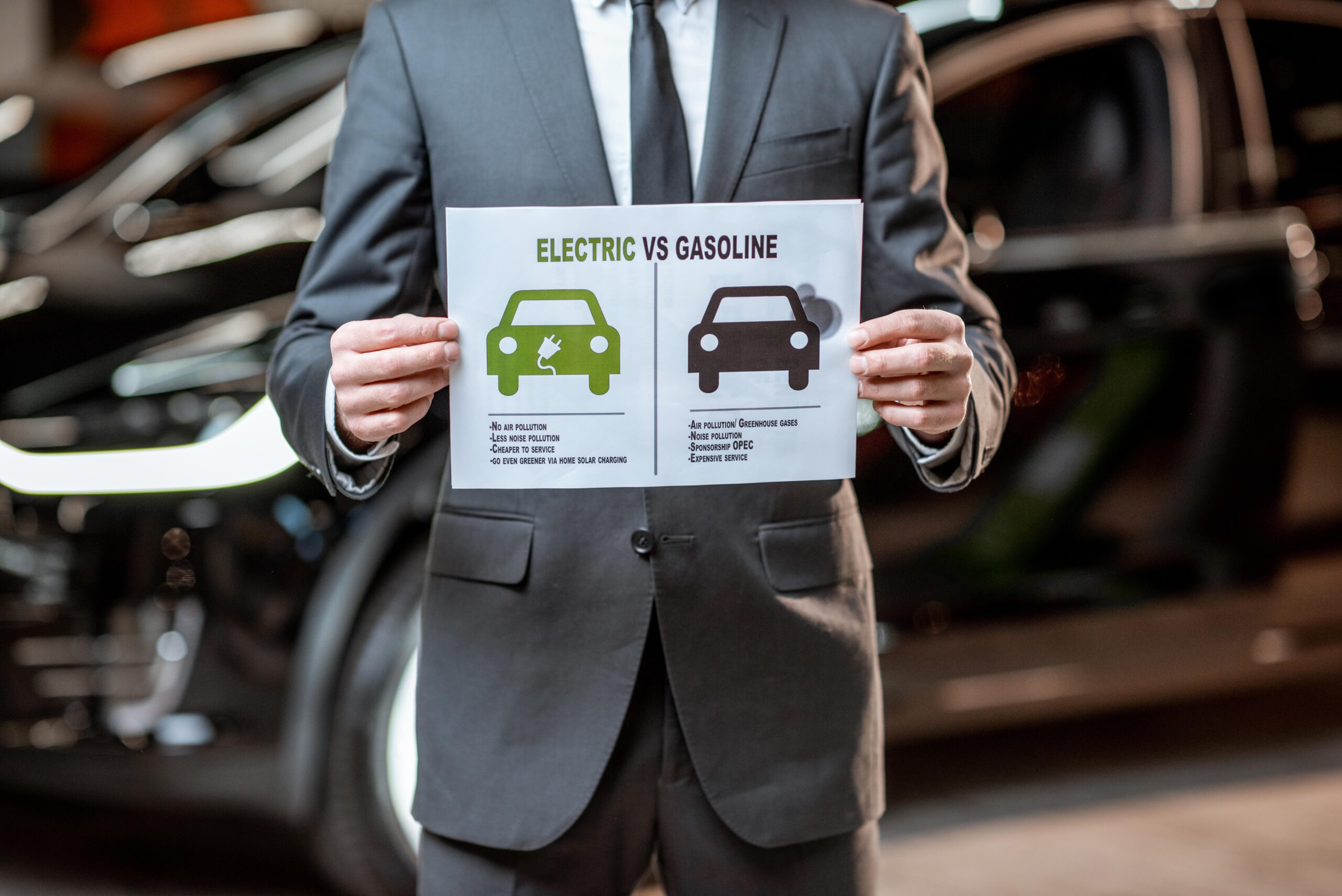
The global EV market is projected to witness robust growth during 2025–2030, supported by rising EV sales across passenger vehicles, commercial fleets, buses, and two-wheelers. Increasing fuel prices and stricter emission regulations are accelerating the shift from internal combustion engine vehicles to electric alternatives. Improved driving range, reduced charging time, and declining battery costs are making EVs more affordable and appealing to consumers globally.
Emerging economies are also contributing significantly to EV adoption, supported by policy incentives and expanding manufacturing capabilities. As EVs move from early adoption to mass acceptance, the market is expected to grow at a strong compound annual growth rate throughout the forecast period.
Key Drivers Powering the Global EV Market
Several factors are fueling the expansion of the electric vehicle industry. Government initiatives such as subsidies, tax benefits, and zero-emission mandates are playing a crucial role in boosting EV adoption. Automakers are investing heavily in electric platforms, battery technology, and supply chain localization to meet rising demand.
At the same time, advancements in lithium-ion batteries and alternative energy storage technologies are improving vehicle performance while reducing overall ownership costs. Growing investments in charging infrastructure—both public and private—are also helping address range anxiety and enabling smoother EV adoption worldwide.
Opportunities Across the EV Ecosystem
The global EV boom presents significant opportunities beyond vehicle manufacturing. Charging infrastructure providers, battery manufacturers, energy companies, and software developers are emerging as key beneficiaries of this transition. The demand for fast chargers, smart grids, battery recycling solutions, and energy management systems is expected to rise sharply through 2030.
For investors and businesses, the EV market offers long-term growth potential as sustainability becomes central to mobility planning. Partnerships, mergers, and innovation-driven strategies will play a critical role in capturing value within the expanding EV ecosystem.
Conclusion
The global EV market outlook for 2025–2030 highlights a future defined by rapid growth, innovation, and sustainability. As electric vehicles become mainstream, opportunities will continue to expand across manufacturing, infrastructure, technology, and energy sectors. Stakeholders that adapt early and invest strategically will be well positioned to lead the next era of global mobility, driving cleaner transportation and long-term economic growth.
Share this content:


Post Comment