Role of EVs in Reducing Urban Pollution

Urban areas across the globe are facing rising air pollution due to increasing vehicle emissions. Electric vehicles (EVs) are emerging as a vital solution to address this challenge. By replacing traditional internal combustion engine vehicles, EVs contribute to cleaner air, reduced greenhouse gas emissions, and healthier urban living environments.
Environmental Benefits of EVs
EVs produce zero tailpipe emissions, significantly reducing pollutants such as nitrogen oxides (NOx), particulate matter (PM), and carbon dioxide (CO₂). Widespread adoption of EVs in cities can lead to measurable improvements in air quality and a reduction in climate-impacting greenhouse gases.
Economic and Health Advantages
Beyond environmental benefits, EV adoption lowers healthcare costs related to air pollution and respiratory diseases. Additionally, EVs have lower operating and maintenance costs compared to conventional vehicles, providing economic incentives for individuals and fleet operators alike.
Challenges and the Path Forward
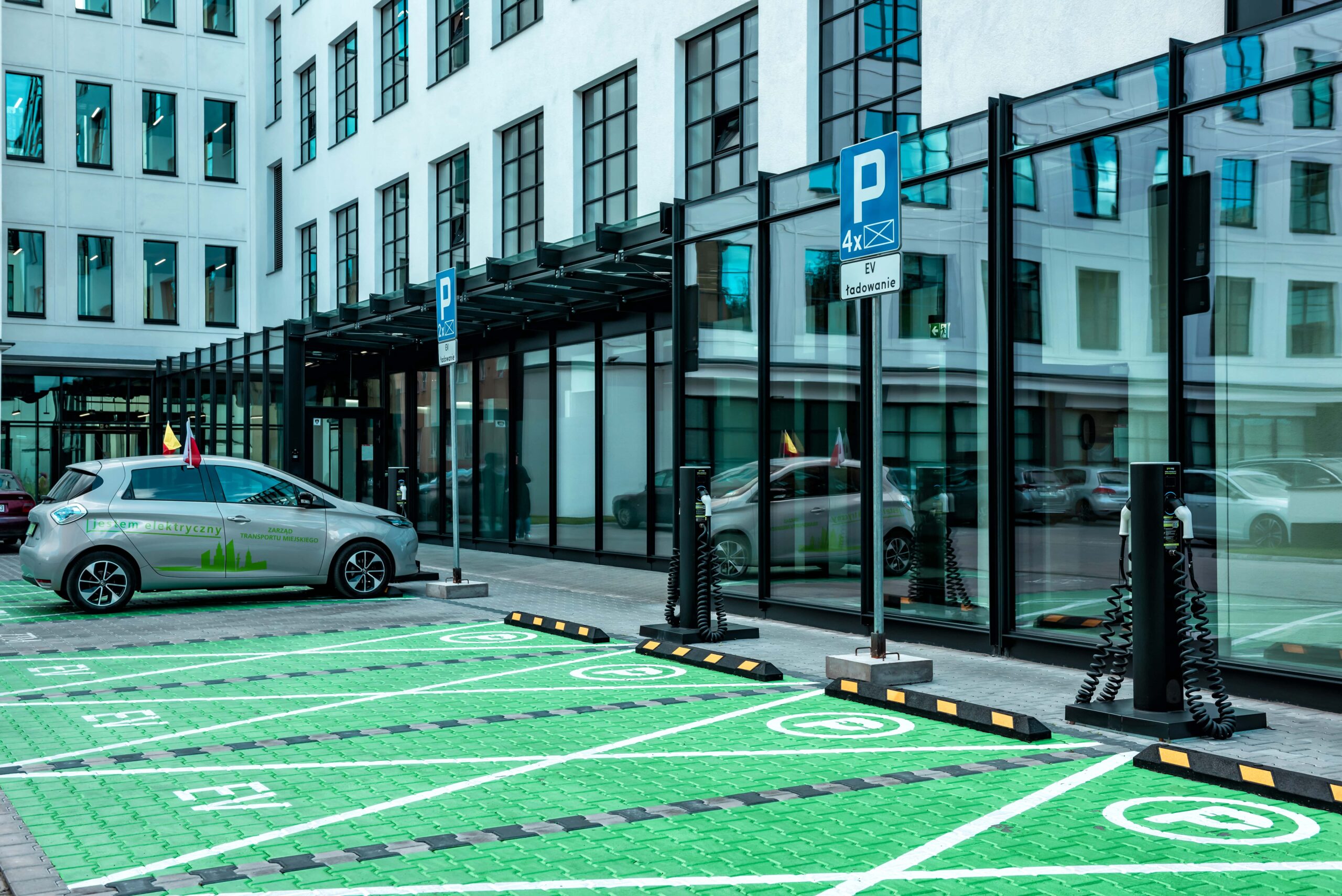
Despite their potential, challenges remain, including the need for extensive charging infrastructure, high upfront costs, and sourcing sustainable electricity. Policymakers and city planners must focus on incentives, public awareness, and renewable energy integration to maximize the impact of EVs on urban pollution reduction.
Conclusion
Electric vehicles play a crucial role in reducing urban pollution by cutting emissions, improving public health, and promoting sustainable urban mobility. As cities expand and adopt cleaner transportation policies, EVs will be central to creating healthier and more livable urban environments.
Share this content:

Post Comment