Smart Transportation Systems for Indian Cities in 2025
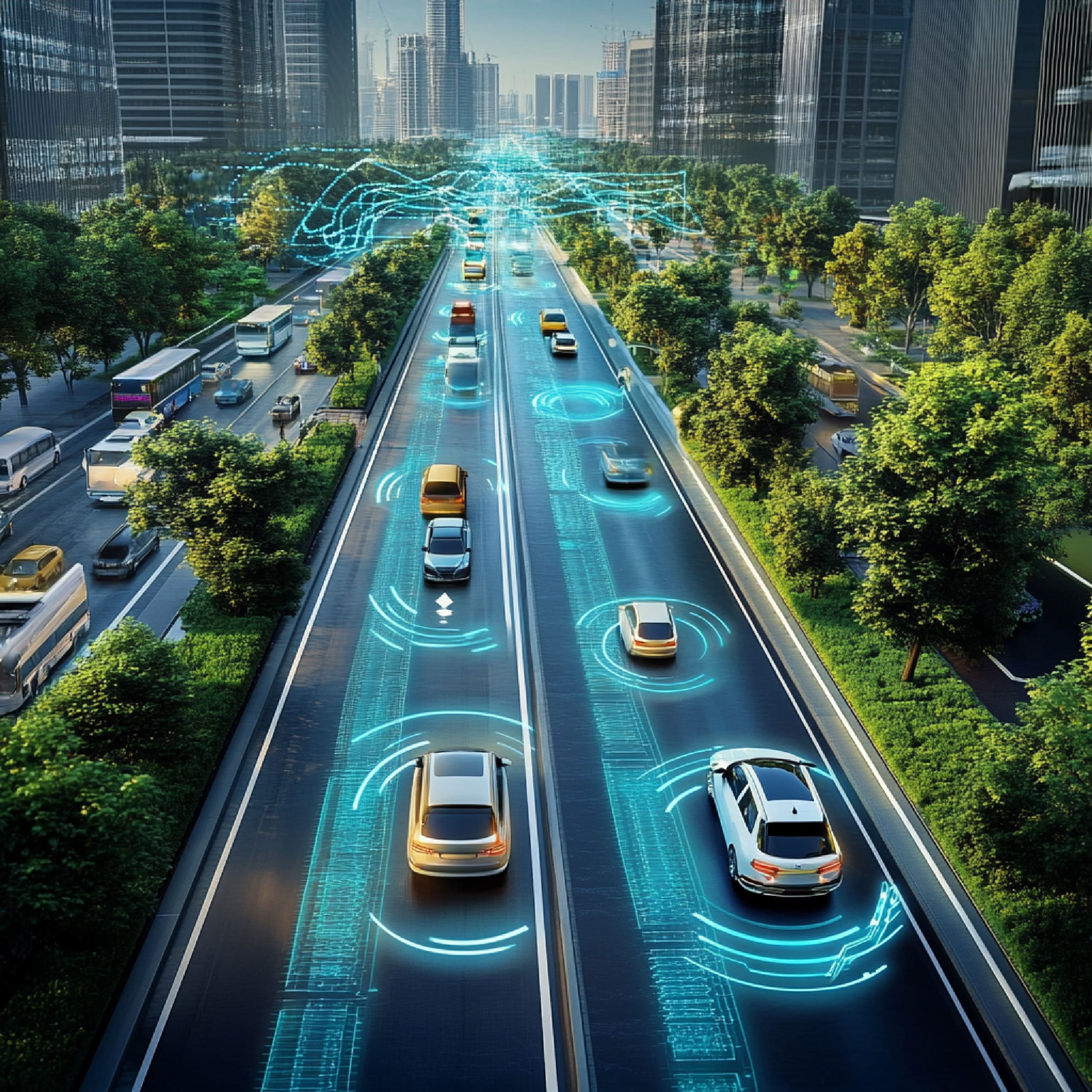
Indian cities are experiencing rapid urbanization, leading to increased traffic congestion, pollution, and commuting challenges. Smart transportation systems (STS) are emerging as a solution to make urban mobility safer, efficient, and more sustainable. By integrating technology, data analytics, and innovative infrastructure, Indian cities are aiming to revolutionize the way people and goods move.
Key Features of Smart Transportation Systems
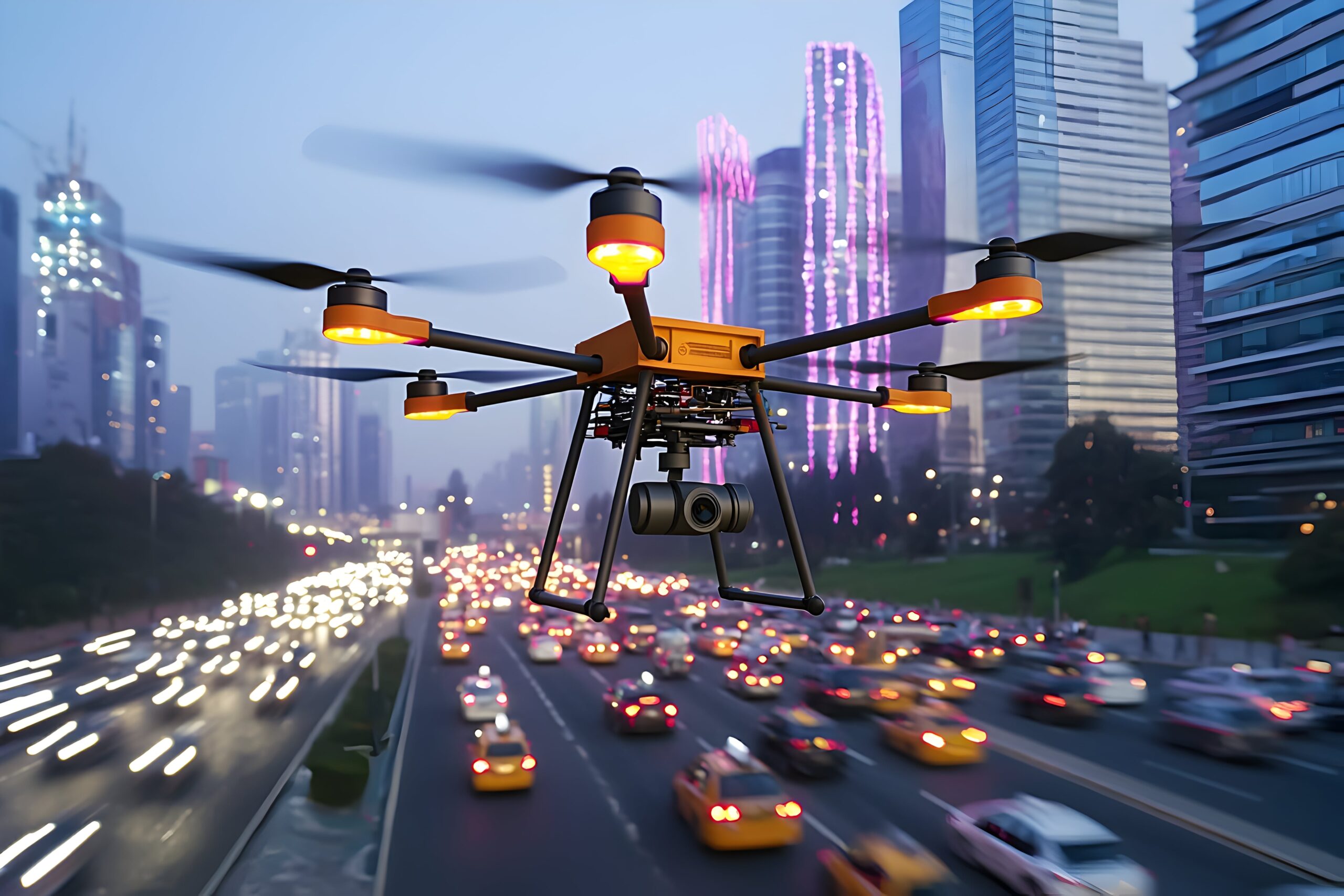
Smart transportation systems use intelligent traffic management, real-time data monitoring, and connected vehicle technologies to optimize traffic flow and reduce congestion. Features like adaptive traffic signals, smart parking, and predictive route planning enhance commuter experience and overall city efficiency.
Benefits for Indian Cities
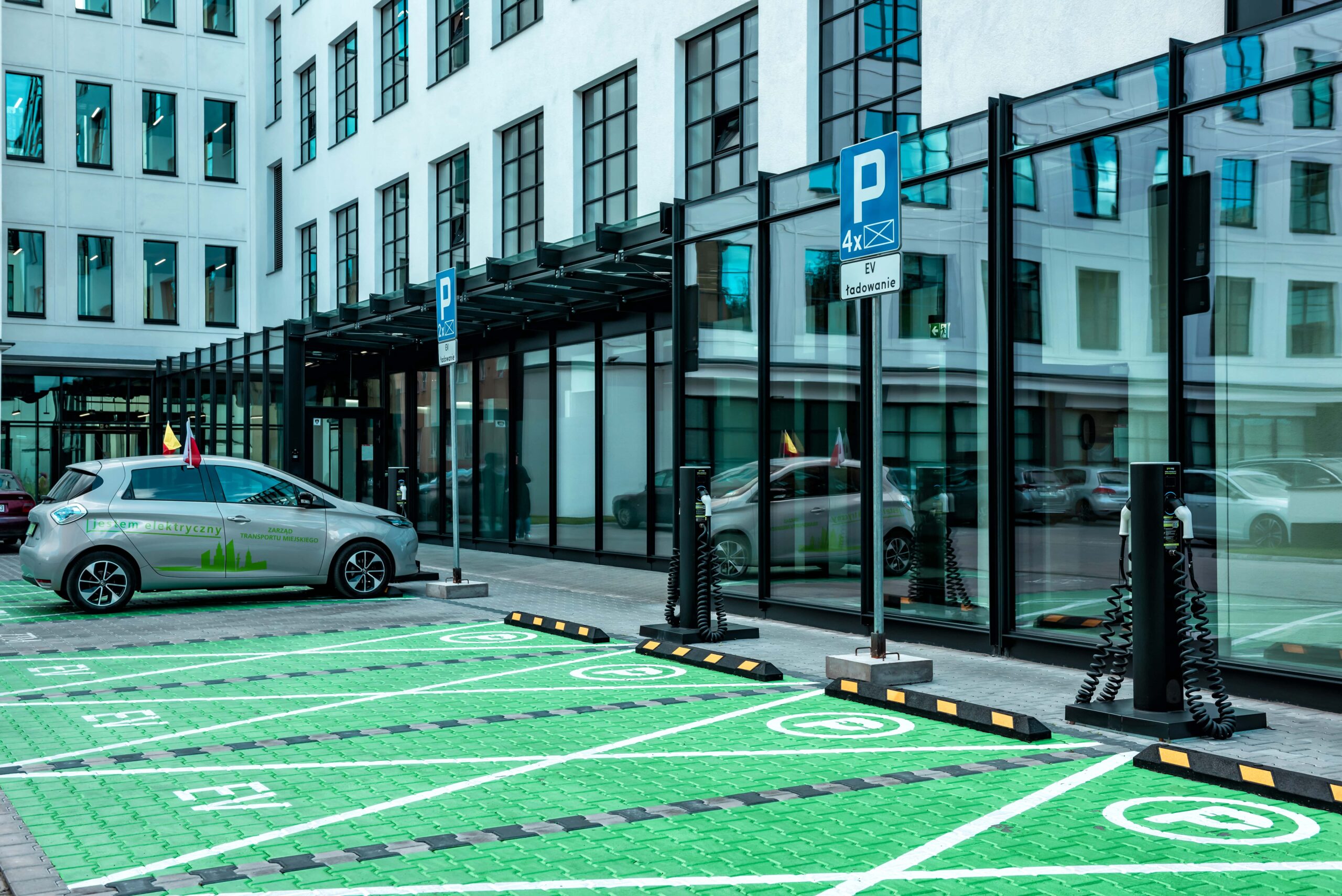
STS improves road safety, reduces travel time, and lowers vehicular emissions, contributing to cleaner urban environments. Efficient public transport integration, including buses, metros, and electric mobility solutions, ensures better connectivity while minimizing the environmental impact.
Challenges in Implementation
Implementing smart transportation systems in India faces challenges such as high initial investment, limited digital infrastructure, and the need for policy frameworks to support technology adoption. Ensuring interoperability among different transport modes and raising public awareness are additional hurdles.
Conclusion
Smart transportation systems are set to redefine urban mobility in Indian cities by 2025. With proper investment, planning, and technological integration, these systems can alleviate congestion, enhance commuter convenience, and support sustainable growth, paving the way for smarter, cleaner, and more efficient urban transportation networks.
Share this content:

Post Comment