EV Micro-Mobility Solutions for Smart Cities
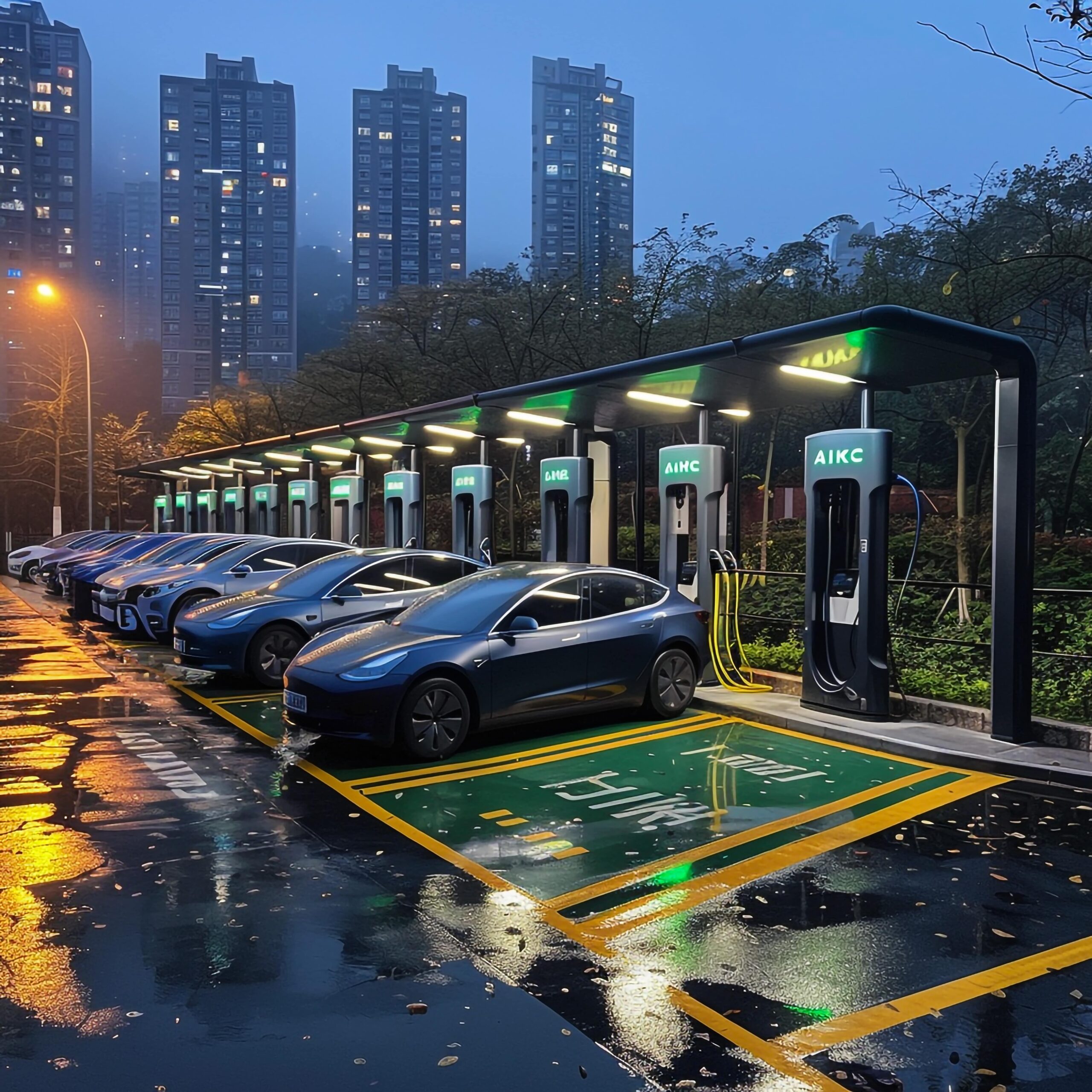
As cities grow and traffic congestion worsens, electric vehicle (EV) micro-mobility solutions are emerging as a key component of smart urban transportation. E-scooters, e-bikes, and other compact electric vehicles provide a sustainable, efficient, and convenient way to navigate crowded streets while reducing carbon emissions.
Benefits for Urban Mobility
EV micro-mobility solutions help alleviate traffic congestion, lower pollution levels, and reduce noise in densely populated areas. They also offer flexible, last-mile connectivity, making it easier for commuters to access public transport hubs and reach their destinations quickly.
Implementation Challenges
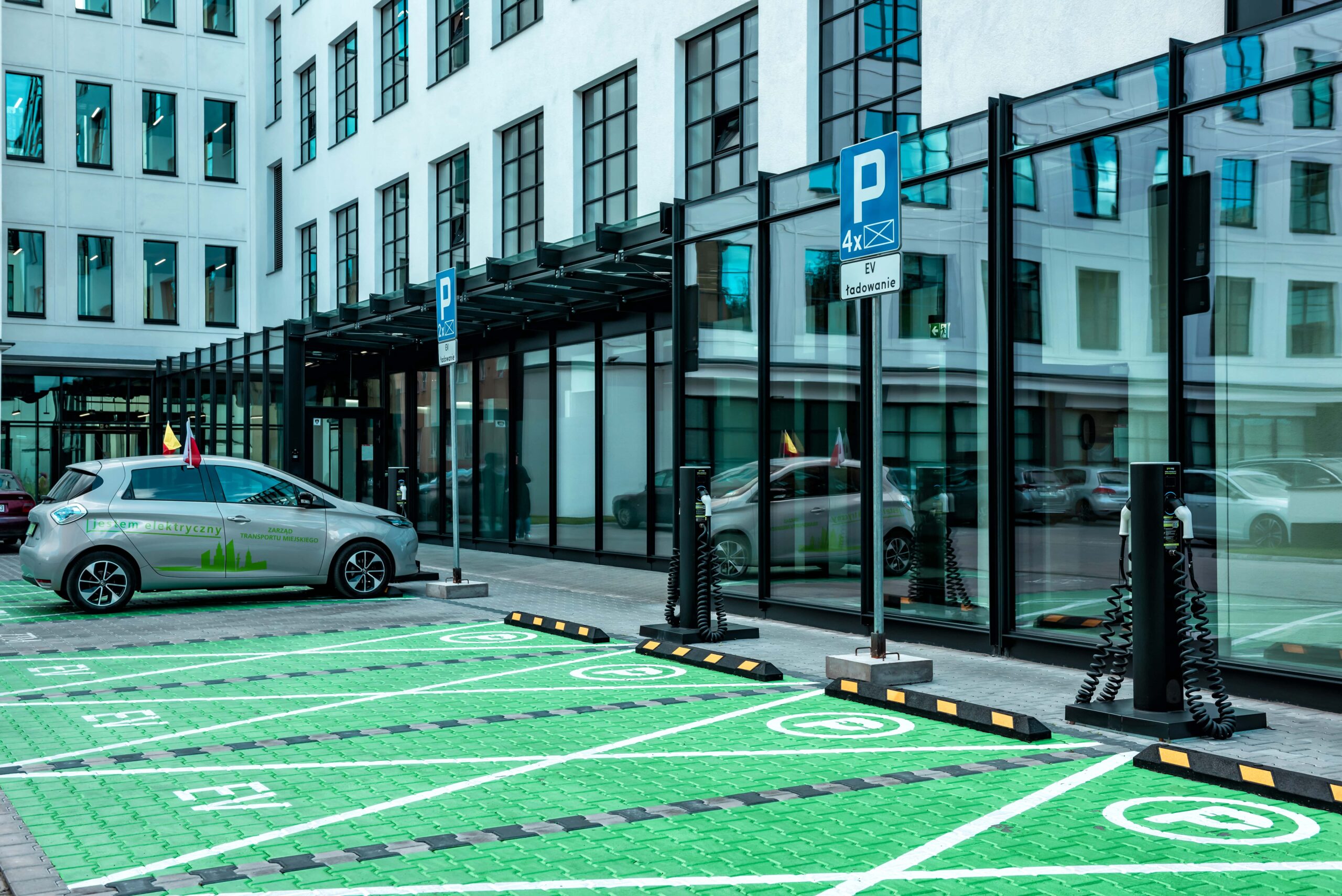
Despite their promise, integrating EV micro-mobility into cities poses challenges. Infrastructure such as charging stations and designated lanes must be developed, while regulations need to address safety, parking, and usage policies. Vehicle maintenance and battery recycling are additional considerations.
Future Prospects and Market Growth
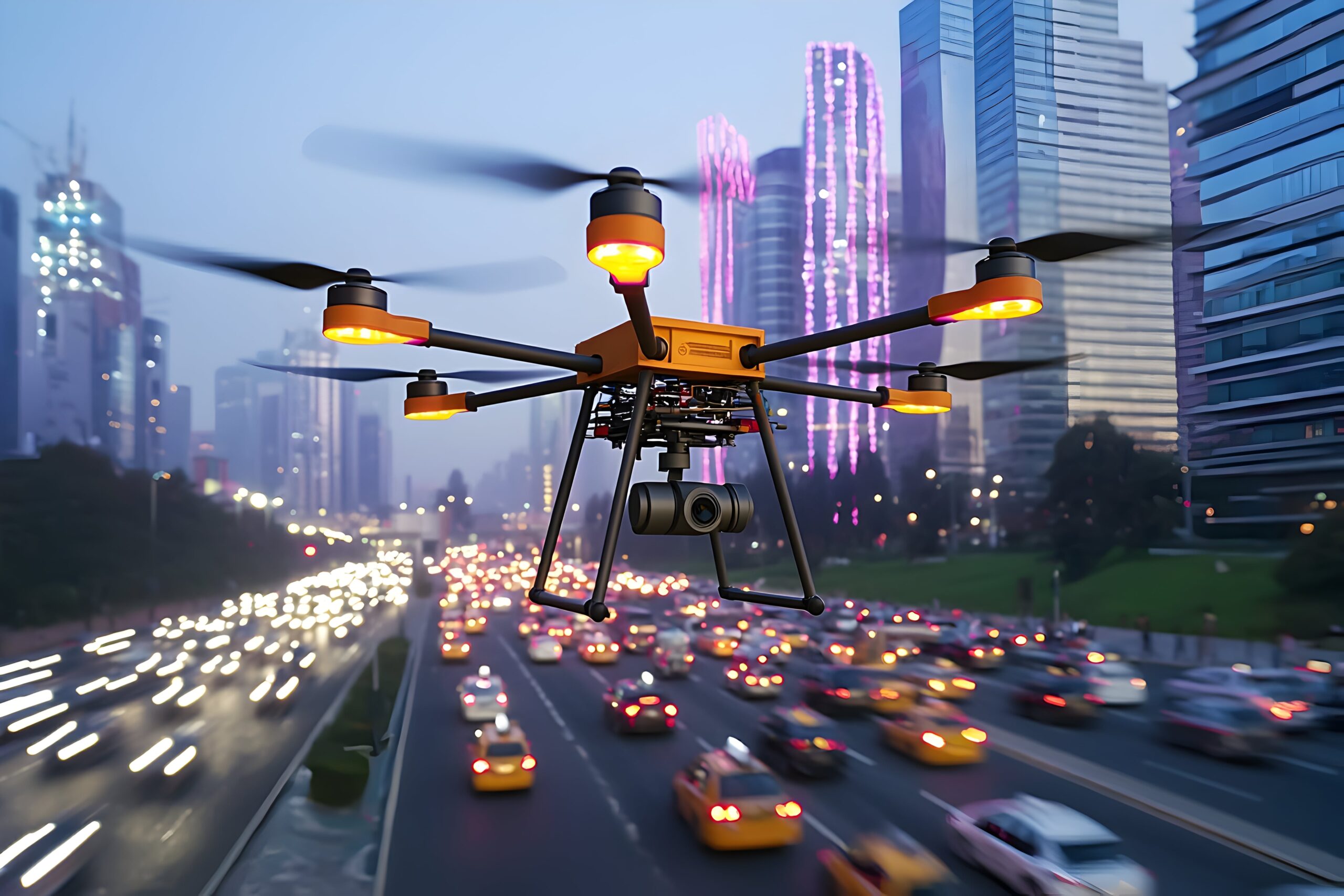
With growing investments from governments and private companies, the micro-mobility market is poised for rapid expansion. Smart cities are increasingly adopting shared electric scooters and bikes, supported by apps and IoT-enabled systems that optimize usage and fleet management.
Conclusion
EV micro-mobility solutions are transforming urban transportation by providing eco-friendly, efficient, and convenient alternatives for short-distance travel. As infrastructure and regulations evolve, these solutions will play a vital role in shaping sustainable, smart cities of the future.
Share this content:

Post Comment