Global Innovations in EV Charging and Their Relevance to India
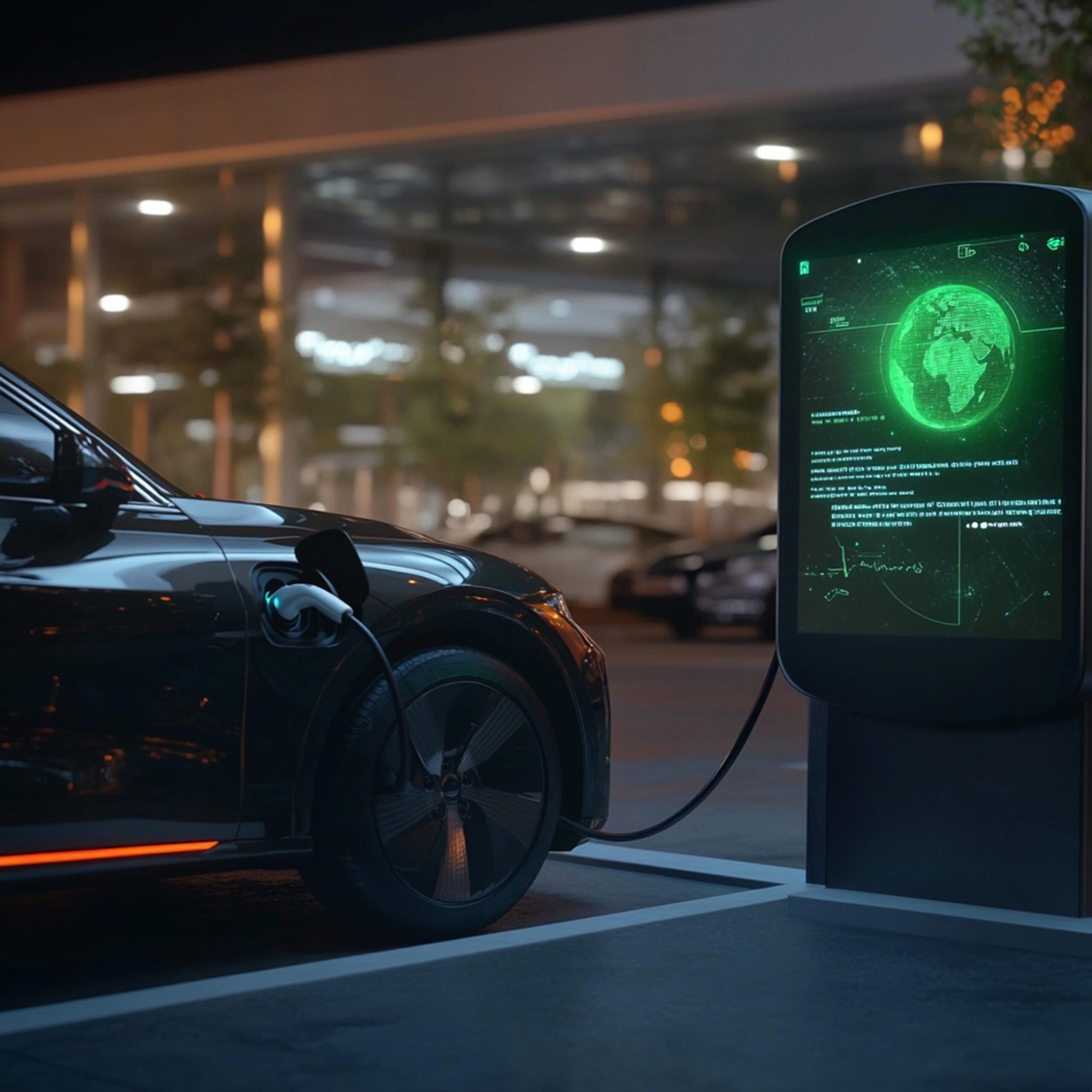
The electric vehicle (EV) ecosystem is evolving rapidly worldwide, with innovations in charging technology playing a key role in enabling faster, safer, and more convenient adoption. India, as a growing EV market, stands to benefit from these global advancements by adapting solutions suitable for its urban and semi-urban landscapes.
Ultra-Fast and Wireless Charging
Globally, ultra-fast chargers capable of delivering 150–350 kW are reducing EV charging times to 15–30 minutes. Wireless charging pads, used in countries like South Korea and the USA, allow vehicles to charge without plugging in. For India, ultra-fast chargers on highways and busy urban corridors can reduce range anxiety for long-distance travel, while wireless charging could become a convenient solution for commercial fleets and two-wheelers in cities.
Smart Charging and Vehicle-to-Grid (V2G) Integration
In Europe and Japan, smart chargers connected to cloud platforms enable demand-based energy management, cost savings, and grid stability. Vehicle-to-Grid (V2G) technology allows EVs to feed energy back into the grid during peak hours. Adopting such systems in India can help manage power loads, promote renewable energy integration, and offer financial incentives to EV owners who participate in energy trading.
Modular and Battery-Swapping Solutions
Battery-swapping networks, popular in China for two- and three-wheelers, allow quick replacement of depleted batteries, minimizing downtime for fleet operators. Modular chargers that can adapt to different battery sizes and chemistries provide flexibility for diverse EV types. India can leverage these innovations to accelerate adoption in urban, semi-urban, and rural regions, particularly for shared mobility services and commercial fleets.
Conclusion
Global innovations in EV charging, from ultra-fast and wireless technologies to smart grids and battery swapping, offer valuable lessons for India. By adapting these solutions to local conditions, India can expand charging infrastructure efficiently, reduce range anxiety, and encourage broader EV adoption. Integrating these technologies will be key to building a robust, convenient, and sustainable electric mobility ecosystem in the country.
Share this content:


Post Comment