EV Fleet Electrification: Transforming Public Transport

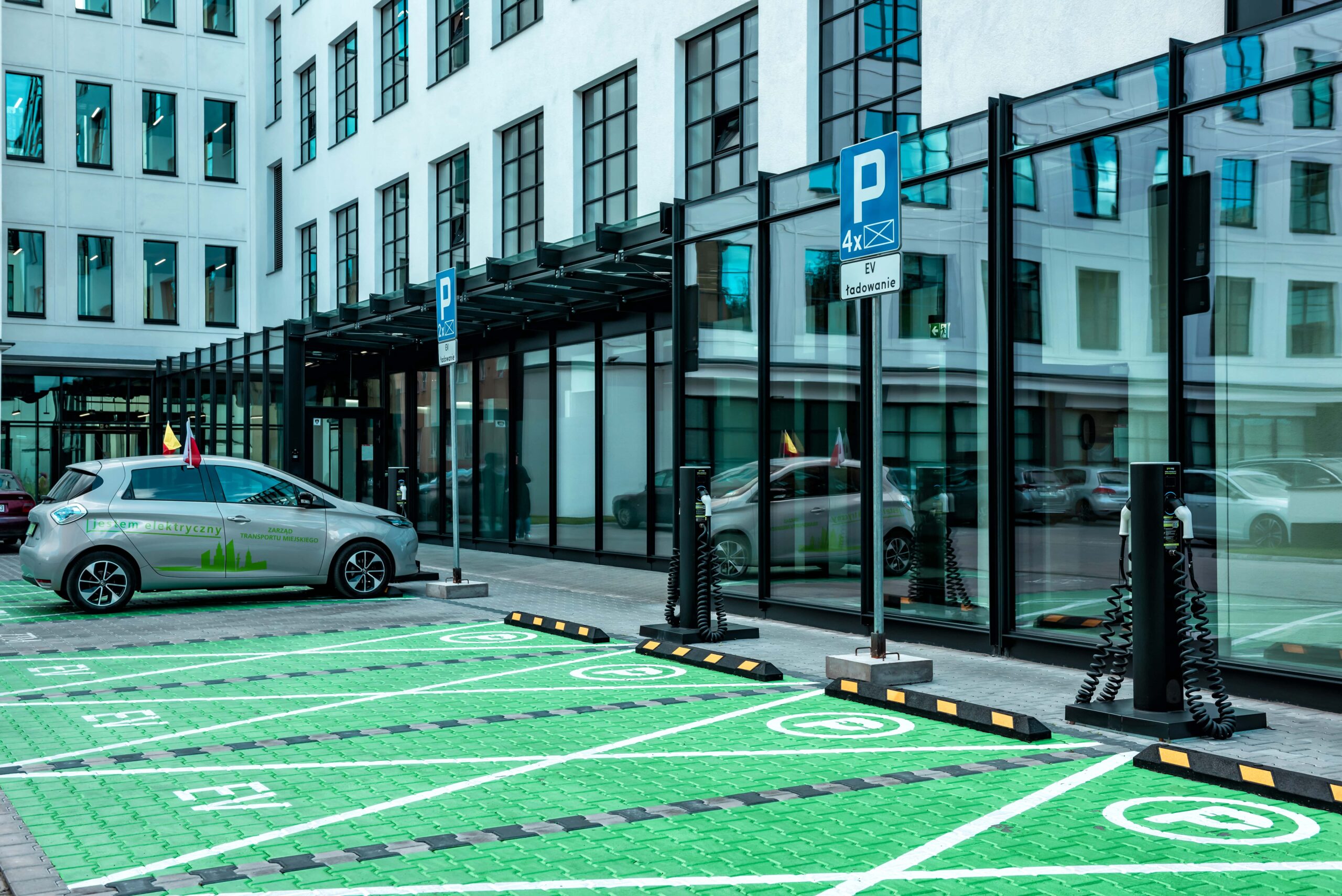
The global shift toward sustainability is reshaping public transport, and Electric Vehicle (EV) fleet electrification is at the heart of this transformation. Governments and transit authorities are increasingly adopting electric buses, vans, and other public transport vehicles to reduce emissions, cut operational costs, and enhance commuter experiences.
Reducing Emissions and Environmental Impact
Electrifying public transport fleets significantly reduces greenhouse gas emissions and air pollution in urban areas. Unlike diesel or petrol buses, electric buses produce zero tailpipe emissions, contributing to cleaner air and healthier cities. This shift is essential for meeting climate targets and promoting sustainable urban mobility.
Lowering Operational Costs and Improving Efficiency
EV fleets offer lower operational and maintenance costs compared to traditional vehicles. Electric drivetrains are simpler, require less maintenance, and consume cheaper energy compared to fossil fuels. Transit agencies can also leverage smart charging and energy management systems to optimize fleet operations and reduce downtime.
Enhancing Commuter Experience with Smart Technology
Modern electric public transport vehicles are equipped with advanced features such as real-time tracking, passenger information systems, and energy-efficient HVAC systems. These innovations improve ride quality, punctuality, and convenience, making public transport more attractive and reliable for daily commuters.
Conclusion
EV fleet electrification is transforming public transport by promoting sustainability, cost-efficiency, and smarter mobility solutions. As more cities adopt electric buses and shared electric vehicles, the future of public transport will be cleaner, greener, and more efficient—paving the way for sustainable urban mobility.
Share this content:

Post Comment