Land Allocation Policies for Public EV Charging Stations
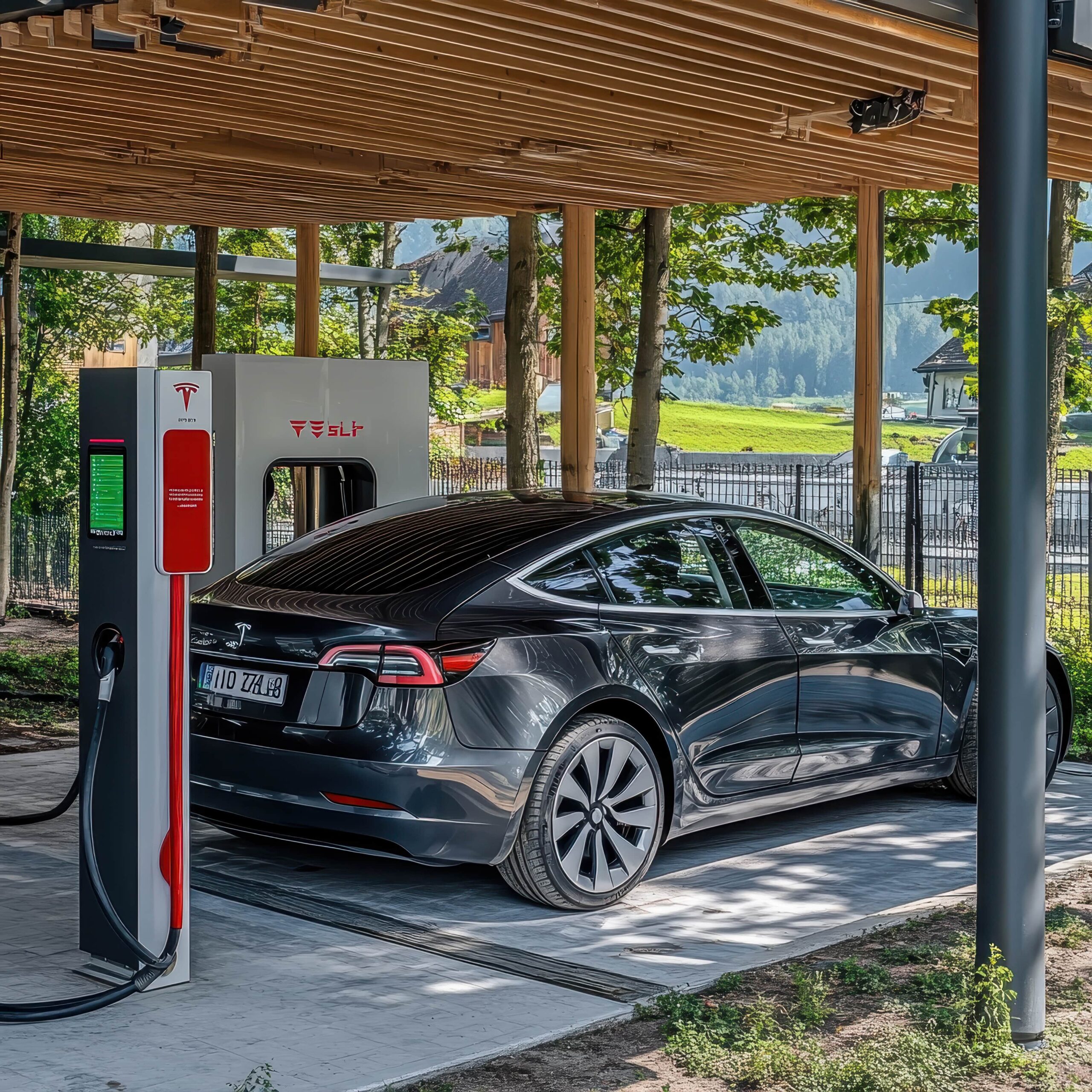
As India accelerates toward its electric mobility goals, one critical enabler is the availability of public EV charging infrastructure. While vehicle adoption is growing rapidly, the lack of sufficient charging stations remains a major challenge. Among the key factors influencing charging infrastructure development, land allocation policies play a vital role. Ensuring that suitable land is available for setting up public charging stations can significantly boost EV adoption across the country.
Why Land Allocation is Crucial for Charging Infrastructure
Installing EV charging stations is not just about technology—it requires strategic land availability in urban, semi-urban, and highway locations. The cost of land often accounts for a significant portion of the investment in charging infrastructure. Without clear policies for land allocation, private operators face high costs and logistical hurdles, slowing down the expansion of public charging networks.
Current Policy Framework and Government Initiatives
The Indian government has introduced several measures to facilitate land access for charging stations. Guidelines from the Ministry of Power encourage public charging stations to be installed at every 3 km in cities and every 25 km on highways. State EV policies complement these efforts by offering land on lease at concessional rates in government-owned spaces, such as metro stations, bus depots, and public parking areas. Many states are also integrating EV charging provisions into urban development regulations to ensure dedicated space in new residential and commercial projects.
Challenges and the Way Forward
Despite positive steps, implementation gaps persist. High land prices in metro cities, lack of clarity in allocation processes, and bureaucratic delays often discourage private investment. To overcome these barriers, authorities must introduce single-window clearance systems, transparent bidding processes, and long-term lease options at nominal rates. Additionally, promoting public-private partnerships can ensure rapid deployment while reducing financial risks for private operators.
Conclusion: Land Policies as a Catalyst for EV Growth
Land allocation policies are the backbone of India’s EV charging infrastructure strategy. By ensuring affordable and accessible land for charging stations, the government can accelerate EV adoption and build consumer confidence. With streamlined regulations and active industry collaboration, India can create a robust charging network that supports its vision of sustainable and clean mobility.
Share this content:


Post Comment