EV Battery Recycling & Second-Life Policy Initiatives in India
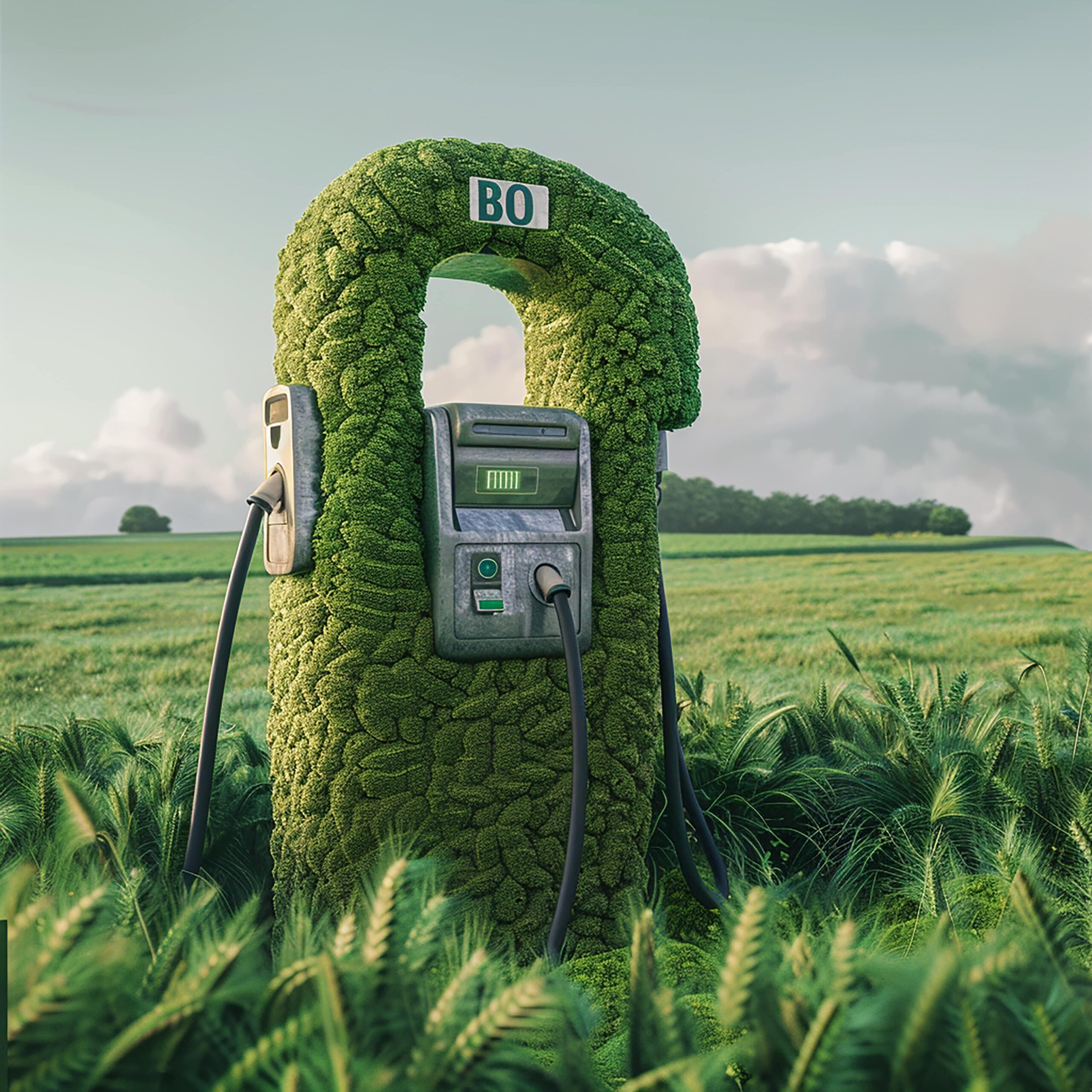
As India accelerates its electric vehicle (EV) transition, one critical challenge is managing the growing number of used EV batteries. These batteries, after reaching the end of their first life in vehicles, still retain significant capacity and can be repurposed or recycled. Recognizing this, the Indian government and industry stakeholders are rolling out battery recycling and second-life policies to ensure sustainability, safety, and circular economy benefits.
Why EV Battery Recycling is Crucial
Lithium-ion batteries power most EVs, but they contain valuable materials like lithium, cobalt, and nickel—resources that are limited and expensive. Improper disposal of these batteries can lead to environmental hazards, while efficient recycling can recover up to 90% of these materials, reducing dependence on imports. Recycling also lowers manufacturing costs, making EVs more affordable in the long run.
Second-Life Applications: Extending Battery Value
Before recycling, many EV batteries can serve a second life in less demanding applications. For example, batteries with reduced capacity can be repurposed for stationary energy storage, backup power systems, and renewable energy integration. This approach maximizes the lifecycle of batteries and reduces overall waste. In India, several pilot projects are already exploring second-life battery applications for solar energy storage and rural electrification.
Policy Initiatives Driving Sustainability
The Indian government has introduced several regulations to manage battery waste and promote reuse. The Battery Waste Management Rules 2022 mandate Extended Producer Responsibility (EPR), requiring manufacturers to collect and recycle used batteries. The Production Linked Incentive (PLI) Scheme for Advanced Chemistry Cells encourages domestic battery recycling technologies and second-life solutions. Additionally, programs like FAME II and the National Electric Mobility Mission Plan support initiatives for battery reuse and safe disposal practices. Discussions are also underway for standardized protocols on battery health checks, ensuring that second-life applications remain safe and reliable.
Conclusion: Building a Circular Economy for EV Batteries
Battery recycling and second-life policies are not just environmental imperatives—they are economic opportunities. By recovering valuable materials, reducing raw material imports, and creating new industries around battery repurposing, India can lead in sustainable EV growth. Strong enforcement, technology investment, and public-private collaboration will be key to making this vision a reality.
Share this content:

Post Comment