Women-Led EV Startups Changing the Face of Green Mobility
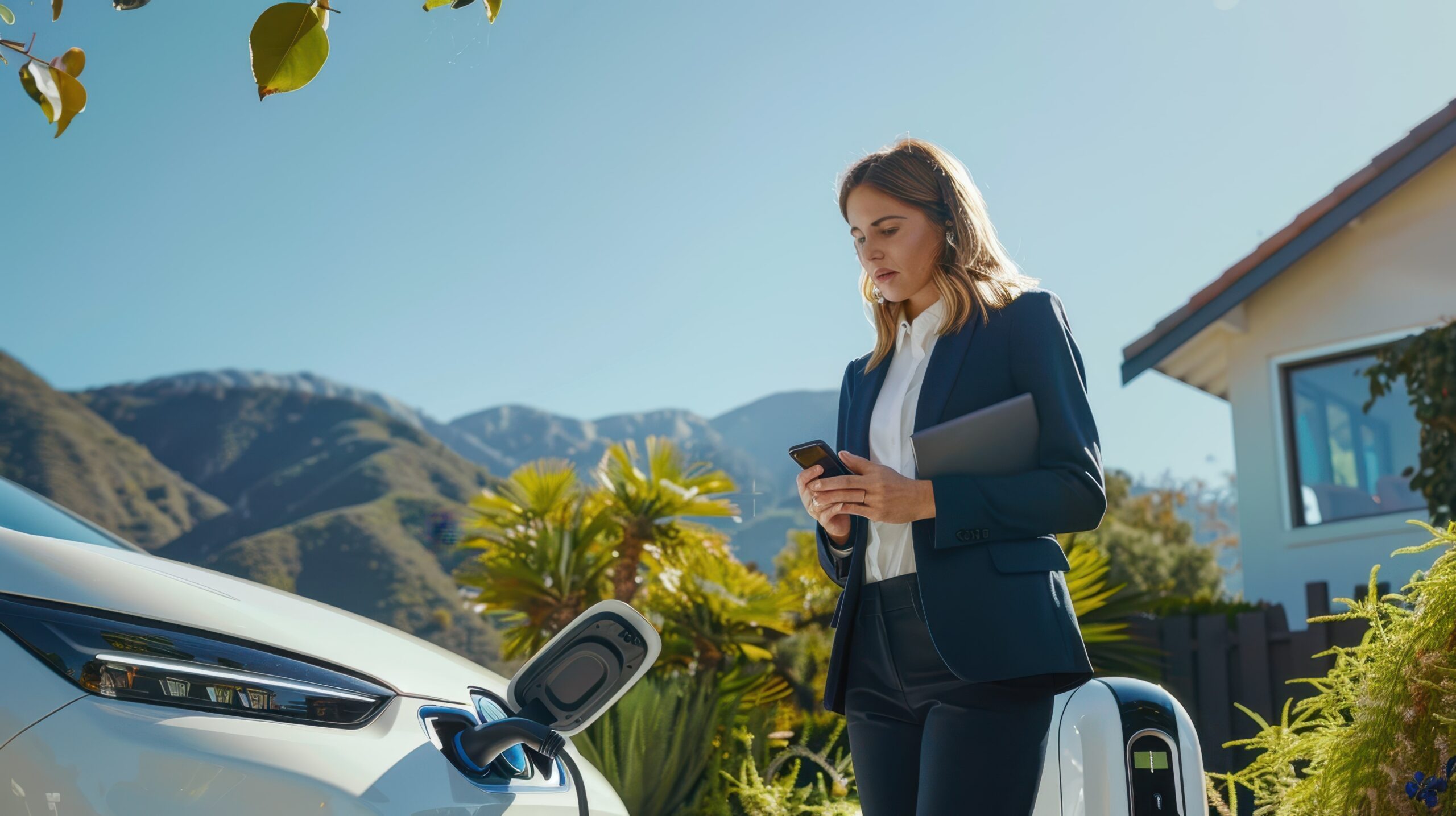
India’s electric vehicle (EV) revolution is not just being powered by cutting-edge technology and ambitious policies—it’s also being led by visionary women entrepreneurs who are transforming the mobility landscape. As sustainability becomes central to urban development, women-led EV startups are emerging as powerful forces driving innovation, inclusivity, and environmental impact in the green mobility space.
Redefining Leadership in a Male-Dominated Industry
Traditionally, the automotive and mobility sectors have been male-dominated. But in recent years, a new wave of female founders and leaders has begun to reshape this narrative. Women like Sulajja Firodia Motwani of Kinetic Green, Dr. Niharika Yadav of Bolt.Earth, and others are proving that gender is no barrier to pioneering change in EV innovation.
These leaders bring a unique approach—emphasizing user-centric design, community impact, and sustainable growth. Their ventures are not just focused on profitability, but also on reducing emissions, enabling clean transport in rural and urban areas, and generating inclusive employment opportunities.
Driving Innovation and Accessibility
Women-led EV startups are also addressing challenges that are often overlooked. From safer battery technologies to gender-sensitive vehicle design and last-mile delivery solutions tailored for underserved populations, their innovations are practical and impactful.
Startups like Kazam and Revfin, which have significant female leadership, are focusing on building inclusive financial and charging infrastructure. By developing platforms that support EV financing for gig workers, and deploying intelligent charging stations in Tier 2 and Tier 3 cities, these ventures are expanding green mobility access beyond metro hubs.
Creating Opportunities for Women in the EV Workforce
One of the key contributions of women-led EV startups is their commitment to gender diversity in the workforce. Companies led by women often implement hiring practices and training programs aimed at empowering other women—whether as engineers, technicians, or delivery drivers.
For example, some startups have launched programs to train female mechanics and battery technicians, while others are offering female-focused e-rickshaw leasing schemes that create micro-entrepreneurship opportunities for women in urban and semi-urban areas.
Conclusion
Women-led EV startups are not only shaping the future of electric mobility in India—they’re redefining what leadership, innovation, and sustainability mean in the modern age. By blending business acumen with a deep social conscience, these entrepreneurs are creating cleaner, smarter, and more inclusive transport solutions. As the EV ecosystem evolves, the role of women at the forefront will be critical in ensuring that green mobility is not just a trend, but a lasting transformation driven by equality and vision.
Share this content:


Post Comment