Wireless EV Charging: Convenience or Costly Upgrade?
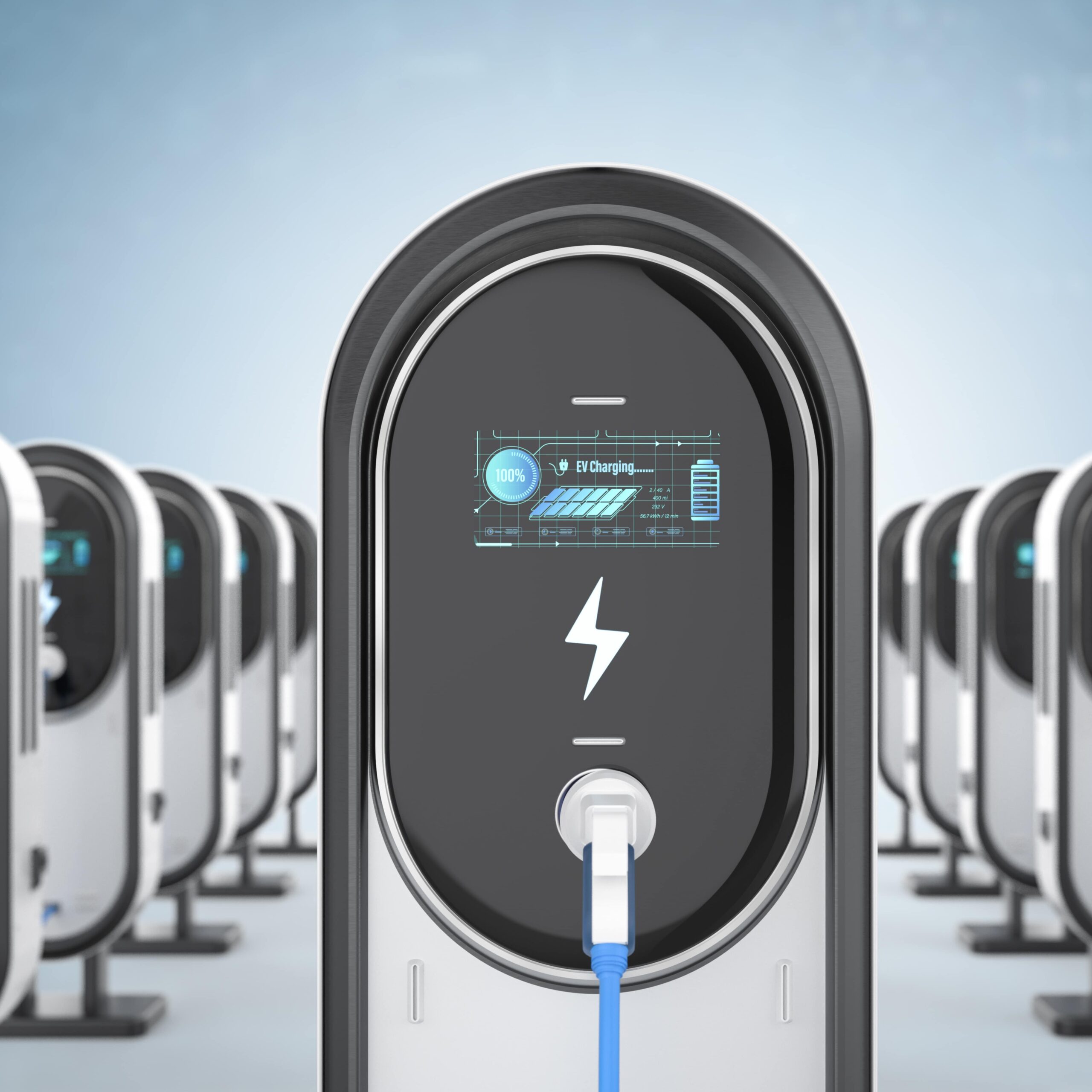
As electric vehicles (EVs) become increasingly mainstream, innovations in charging technology are evolving to make the experience more seamless and user-friendly. Among these innovations, wireless EV charging—or inductive charging—has captured attention for its promise of convenience and futuristic appeal. But is it truly a game-changer, or does it come with limitations that make it an expensive upgrade? Let’s explore the technology, costs, and practicality of wireless EV charging.
How Wireless EV Charging Works
Wireless EV charging operates on the principle of electromagnetic induction. A charging pad installed on the ground transfers energy to a receiver coil mounted on the underside of the vehicle, eliminating the need for physical cables. When the car is parked over the pad, power flows wirelessly to charge the battery. This technology is designed for ultimate convenience, reducing cable clutter and simplifying the charging process—perfect for home garages, public parking spots, and even future autonomous vehicle fleets. However, alignment is crucial, as the car needs to be correctly positioned over the charging pad for optimal efficiency.
Convenience and Benefits for EV Owners
The primary benefit of wireless charging is its effortless nature. Drivers no longer need to plug in cables, making it ideal for people who prefer a hassle-free experience. This technology also has potential applications for automated fleets, ride-sharing services, and self-driving cars, where human intervention is minimal. In addition, wireless charging systems can be installed in parking lots, enabling dynamic or stationary charging while the vehicle is parked. For residential users, this means added convenience and a cleaner, more organized garage.
The Cost Factor and Current Limitations
Despite its advantages, wireless EV charging comes at a premium price. Installation costs can be significantly higher compared to conventional wired chargers, often running into thousands of dollars. Charging efficiency is another concern—most wireless systems currently offer lower power output than fast wired chargers, resulting in longer charging times. Additionally, the technology is still in its early adoption phase, which means limited availability and compatibility with certain EV models. Until wireless charging becomes more standardized and cost-effective, many users may find it hard to justify the investment.
Conclusion
Wireless EV charging represents the future of effortless electric mobility, but for now, it remains a costly upgrade with certain limitations. While the convenience factor is undeniable, the high installation costs and slower charging speeds compared to wired alternatives may deter widespread adoption in the short term. As technology matures and prices come down, wireless charging could become the norm, especially for smart homes and autonomous vehicle fleets. For today’s EV owner, the choice depends on whether convenience outweighs the cost.
Share this content:



Post Comment