The Role of Lightweight Materials in EV Component Design

Electric vehicles (EVs) are transforming the future of mobility, but their performance, range, and efficiency depend heavily on how much they weigh. This has made lightweight materials a central focus of EV component design. By reducing mass without compromising safety or durability, automakers and component suppliers are achieving better energy efficiency and improved driving experiences.
Why Weight Reduction Matters in EVs
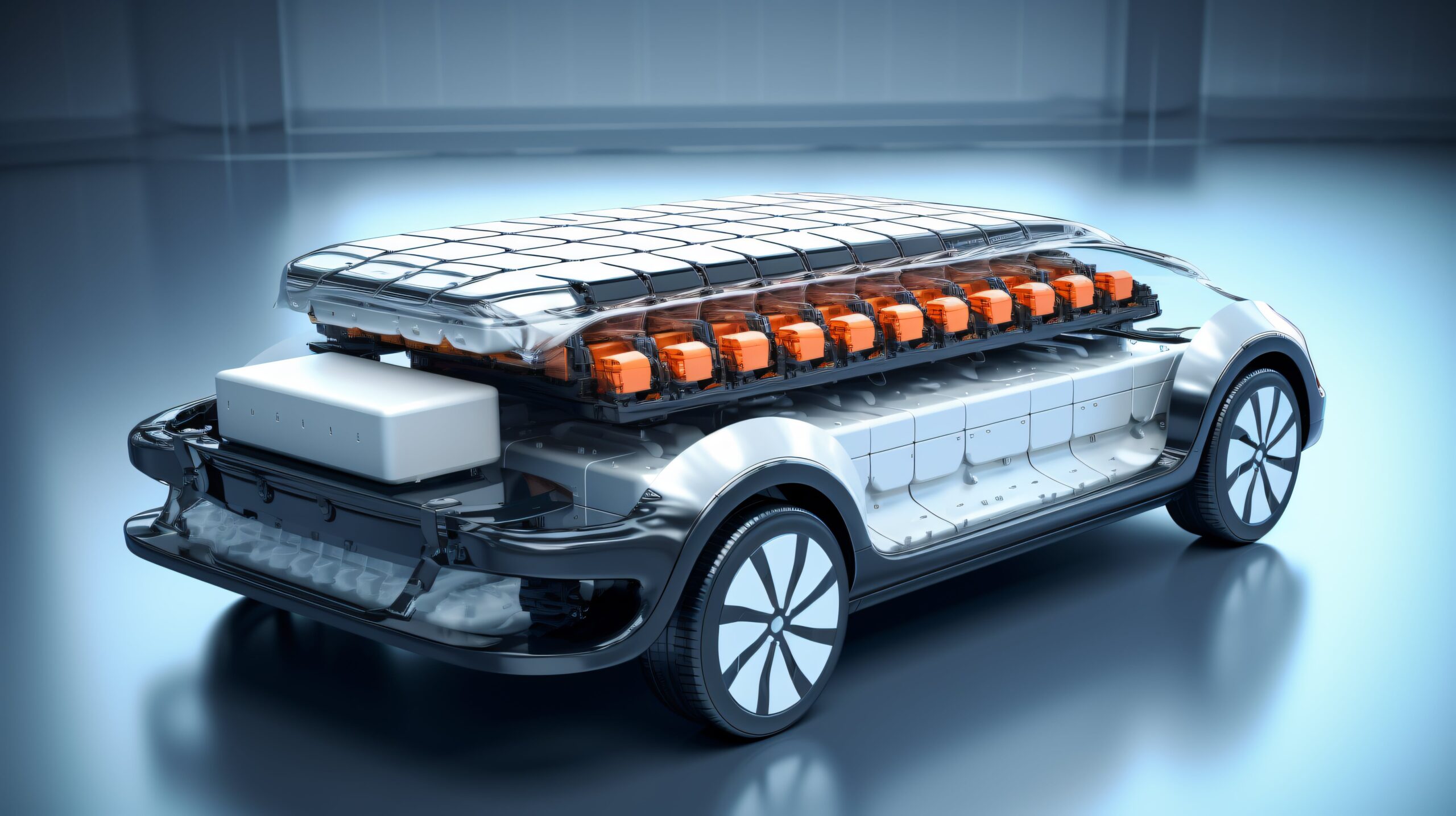
Unlike conventional vehicles, EVs carry heavy battery packs, which can limit range and acceleration if the overall weight isn’t managed. Lightweight materials help offset this extra mass, enabling longer ranges per charge and lower energy consumption. They also reduce wear on tyres, brakes, and suspension systems, further improving vehicle longevity and lowering maintenance costs.
Advanced Materials Driving Innovation
A variety of advanced materials are redefining EV component manufacturing. High-strength aluminium alloys, carbon-fibre composites, magnesium, and advanced plastics are increasingly used in chassis, motor housings, battery enclosures, and interior parts. These materials combine structural integrity with reduced weight, making them ideal for both passenger cars and commercial EVs. Additionally, innovations in additive manufacturing (3D printing) allow for complex, weight-optimised designs that were not possible with traditional techniques.
Sustainability and Cost Considerations
Lightweighting isn’t just about performance — it also supports sustainability goals. Using less material overall lowers the carbon footprint of production, while many new composites are recyclable or sourced from renewable inputs. Although some lightweight materials carry higher upfront costs, their efficiency benefits often deliver savings over the vehicle’s life cycle. Manufacturers at events like IES exhibitions are showcasing how these trade-offs can work in favour of both automakers and consumers.
Conclusion
Lightweight materials are no longer a niche choice; they’re a necessity in the era of electric mobility. By reducing weight, improving efficiency, and supporting sustainability, these materials play a vital role in EV component design. As technology and manufacturing processes advance, expect even greater integration of lightweight materials across the EV supply chain — from batteries to body panels — paving the way for more efficient and eco-friendly vehicles.
Share this content:


Post Comment