The Role of Government Policies in Expanding EV Charging Infrastructure
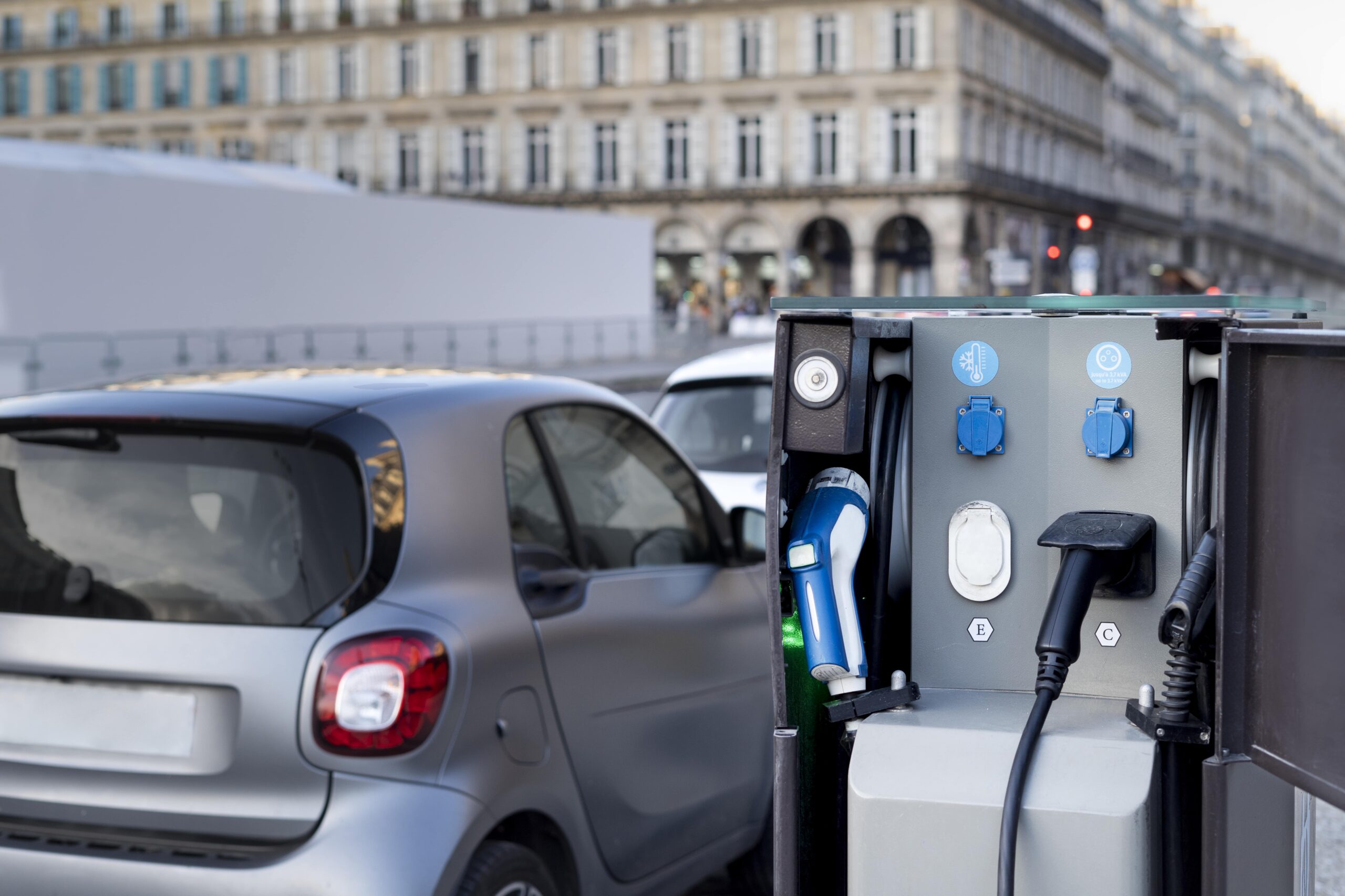
The rapid growth of electric vehicles (EVs) worldwide has created an urgent need for accessible, efficient, and reliable charging infrastructure. While private companies are innovating in charging solutions, government policies play a crucial role in creating the right ecosystem for expansion. Strategic policies, subsidies, and regulations ensure that EV adoption is supported by a robust network of charging stations.
Policy-Driven Investment and Incentives
Governments across the globe are introducing financial incentives to boost EV infrastructure. These include subsidies for installing charging stations, tax breaks for EV manufacturers, and grants for research and development. By reducing the initial cost burden for both businesses and individuals, these policies accelerate the establishment of charging points in urban and rural areas.
Standardization and Regulations
Uniform charging standards are essential for creating a seamless EV experience. Government regulations often dictate charging connector types, power output, and safety standards to ensure interoperability between different charging networks. This prevents market fragmentation and makes it easier for EV owners to find compatible chargers anywhere they travel.
Public-Private Partnerships (PPP)
Many governments are collaborating with private companies to expand infrastructure quickly. Through PPP models, public land is allocated for charging stations, while private firms manage installation, operation, and maintenance. This shared responsibility allows for faster rollouts, better service quality, and cost-efficient infrastructure development.
Conclusion
Government policies are the backbone of EV charging infrastructure growth. From financial incentives and standardized regulations to collaborative partnerships, these measures ensure that the EV ecosystem develops sustainably and efficiently. As policies continue to evolve, the synergy between government and industry will be key to making EV adoption more widespread and convenient.
Share this content:



Post Comment