The Role of Electric Scooters and Bikes in Urban Mobility
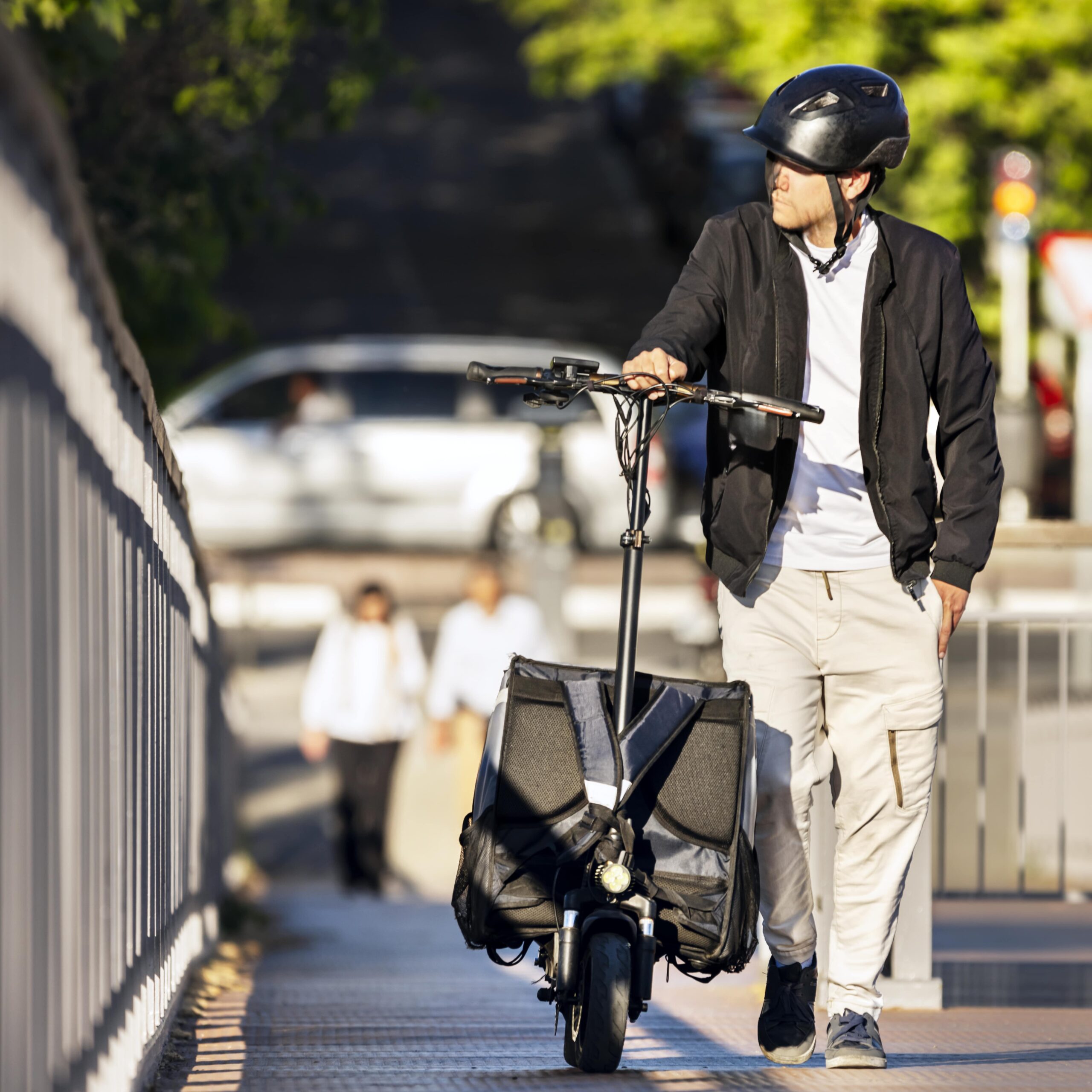
Urban transportation is rapidly evolving, and electric scooters and bikes are emerging as essential solutions for city commuting. With rising traffic congestion, environmental concerns, and the need for flexible mobility, e-scooters and e-bikes are helping redefine urban transport.
Solving Last-Mile Connectivity Challenges
Electric scooters and bikes are ideal for short trips and last-mile connectivity. They bridge the gap between public transport hubs and final destinations, offering a convenient, time-saving, and cost-effective alternative to cars or taxis. Their compact size makes them perfect for navigating congested city streets.
Promoting Sustainable and Eco-Friendly Transport
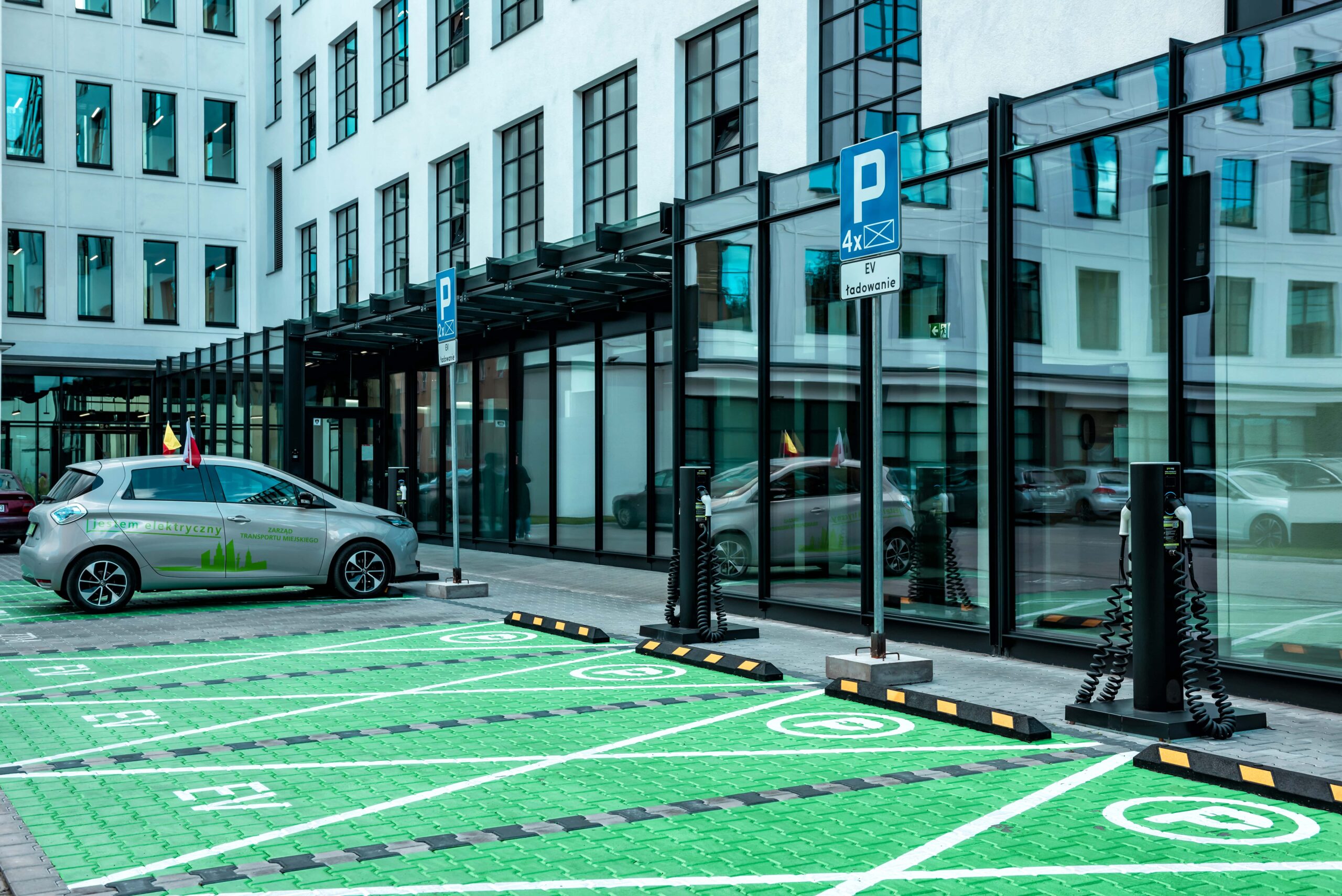
E-scooters and bikes are powered by electricity, producing zero tailpipe emissions. By reducing reliance on fossil-fuel vehicles, they help lower urban air pollution and carbon footprints. Cities adopting shared e-scooter and bike programs are taking significant steps toward greener and more sustainable urban mobility.
Flexibility and Accessibility for Commuters
Shared electric scooters and bike services allow users to pick up and drop off vehicles at convenient locations, making commuting flexible and efficient. With app-based platforms, riders can easily find, unlock, and pay for rides, offering a seamless mobility experience that traditional transport modes often cannot match.
Conclusion
Electric scooters and bikes are transforming urban mobility by offering sustainable, efficient, and flexible transportation solutions. As cities continue to grow and prioritize eco-friendly options, e-scooters and e-bikes will play a crucial role in shaping the future of urban commuting.
Share this content:

Post Comment