The Rise of Ultra-Fast DC Charging Stations and Their Impact
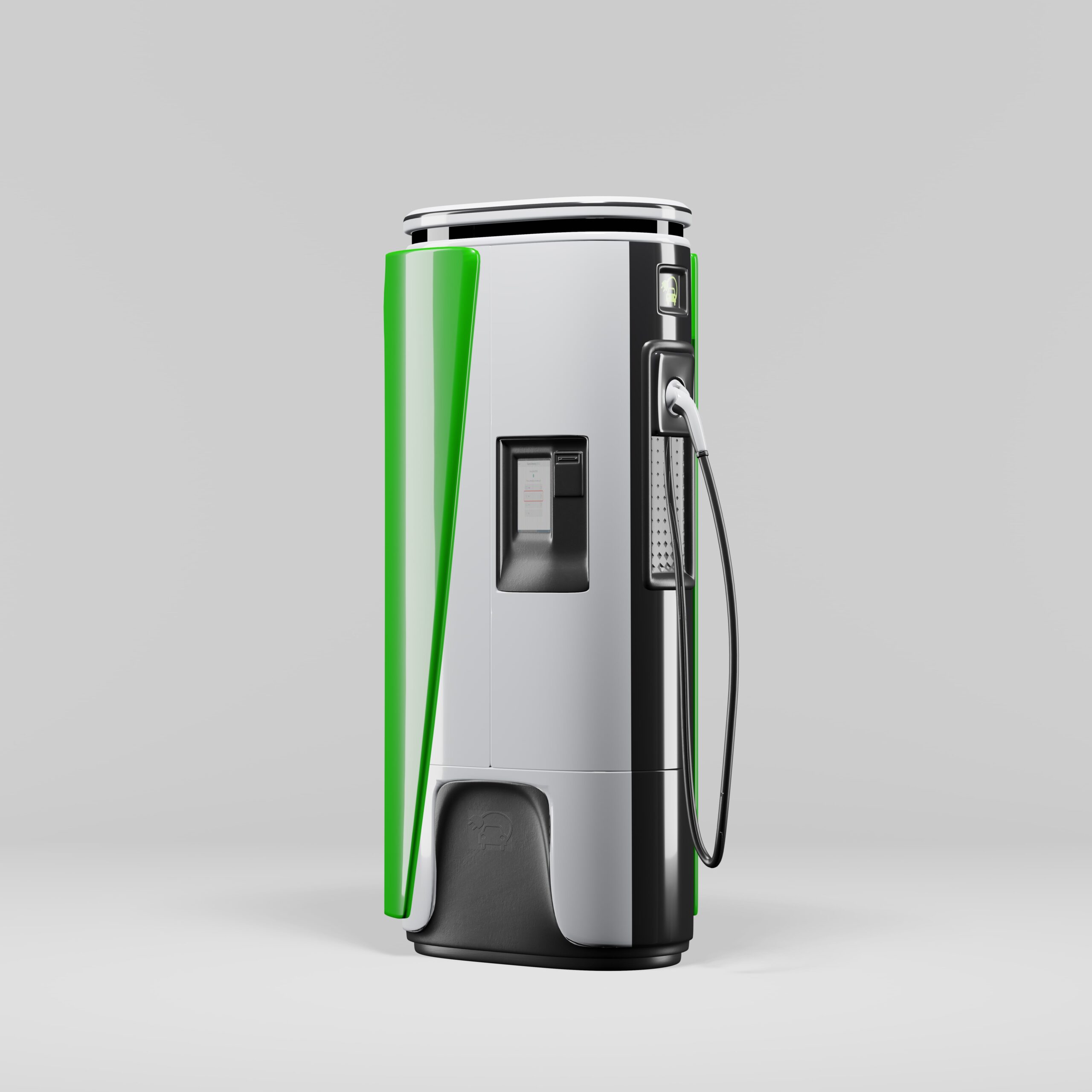
As electric vehicles (EVs) move into the mainstream, the demand for faster and more efficient charging solutions has grown significantly. Ultra-fast DC charging stations are emerging as a game-changer in the EV ecosystem, reducing charging time from hours to just minutes and paving the way for widespread EV adoption. Understanding their role, benefits, and long-term impact is crucial for manufacturers, infrastructure developers, and EV owners alike.
What Makes Ultra-Fast DC Charging Different?
Traditional home and public chargers often rely on AC (alternating current), which requires the EV’s onboard charger to convert electricity to DC (direct current) for battery storage—a process that limits charging speed. Ultra-fast DC chargers bypass this step by supplying DC power directly to the battery, enabling rapid charging at much higher power outputs, often 150 kW or more. With some stations offering 350 kW, EV owners can recharge up to 80% of their battery in 15–20 minutes, significantly reducing downtime compared to conventional Level 2 chargers that may take several hours.
Benefits for EV Owners and Businesses
The biggest advantage of ultra-fast DC charging is convenience. For long-distance travelers, these stations eliminate range anxiety by enabling quick top-ups during short breaks. This technology also benefits businesses such as fleet operators, ridesharing companies, and logistics firms by minimizing vehicle downtime and increasing operational efficiency. For retail locations, gas stations, and highway service centers, installing ultra-fast chargers can attract new customers and create additional revenue streams. Furthermore, as more automakers develop EVs with higher charging capabilities, ultra-fast DC charging will become an essential infrastructure component.
Challenges and the Road Ahead
Despite the benefits, ultra-fast DC charging infrastructure faces challenges. The high installation cost, typically ranging from $40,000 to over $100,000 per station, makes it a significant investment. Power grid capacity and energy demand management are also critical concerns, as ultra-fast chargers require substantial electricity. Additionally, not all EVs can handle high charging speeds, limiting the utility of these stations for some models. However, as battery technology advances and renewable energy integration improves, these challenges are expected to diminish. Governments and private players are investing heavily in building fast-charging networks, signaling a future where ultra-fast charging is widely accessible.
Conclusion
Ultra-fast DC charging stations represent a major milestone in the evolution of EV infrastructure. By delivering lightning-fast charging times, they enhance convenience, reduce range anxiety, and accelerate EV adoption globally. While challenges such as cost and grid capacity remain, technological progress and strategic investments are addressing these issues rapidly. For EV owners, businesses, and policymakers, the rise of ultra-fast charging is not just a trend—it’s a critical step toward a sustainable, electric future.
Share this content:



Post Comment