The Future of High-Speed Rail: Fast, Green & Efficient
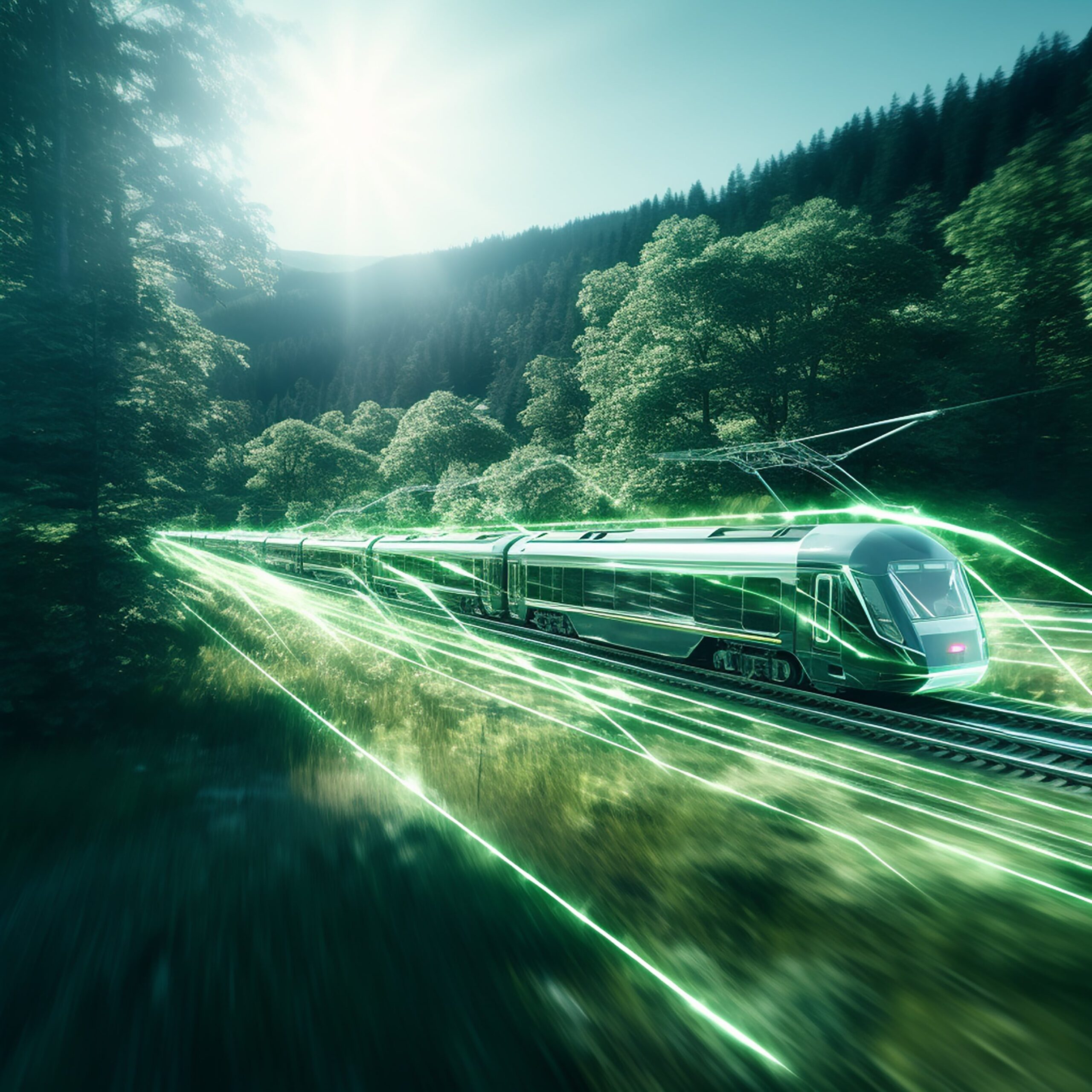
High-speed rail (HSR) is revolutionizing modern transportation by offering a fast, eco-friendly, and efficient alternative to traditional travel modes. As urbanization and population growth continue, the demand for sustainable long-distance travel solutions is rising—and high-speed rail is emerging as a key player in this shift.
Speed and Convenience for Modern Travelers
High-speed rail systems are designed to drastically reduce travel time between cities. With speeds exceeding 300 km/h in many countries, HSR provides a competitive alternative to air travel for medium-distance routes. Passengers benefit from frequent services, minimal delays, and easy city-center connectivity.
A Green Solution for Sustainable Mobility
One of the biggest advantages of high-speed rail is its environmental impact. Unlike air travel and traditional road transport, HSR produces significantly lower carbon emissions. Powered by electricity, often from renewable sources, high-speed trains help reduce dependence on fossil fuels and contribute to global climate goals.
Efficiency and Economic Growth
High-speed rail not only improves travel efficiency but also boosts regional economies. By connecting urban and rural areas, it facilitates trade, tourism, and job creation. Moreover, HSR projects stimulate infrastructure development, creating long-term economic benefits for nations that invest in this technology.
Conclusion
The future of high-speed rail is promising, offering unmatched speed, sustainability, and economic potential. As countries invest in next-generation rail systems, HSR will play a critical role in shaping the future of transportation—making travel faster, greener, and more efficient for all.
Share this content:


Post Comment