The Future of EV Charging Networks in India: Growth Projections & Trends
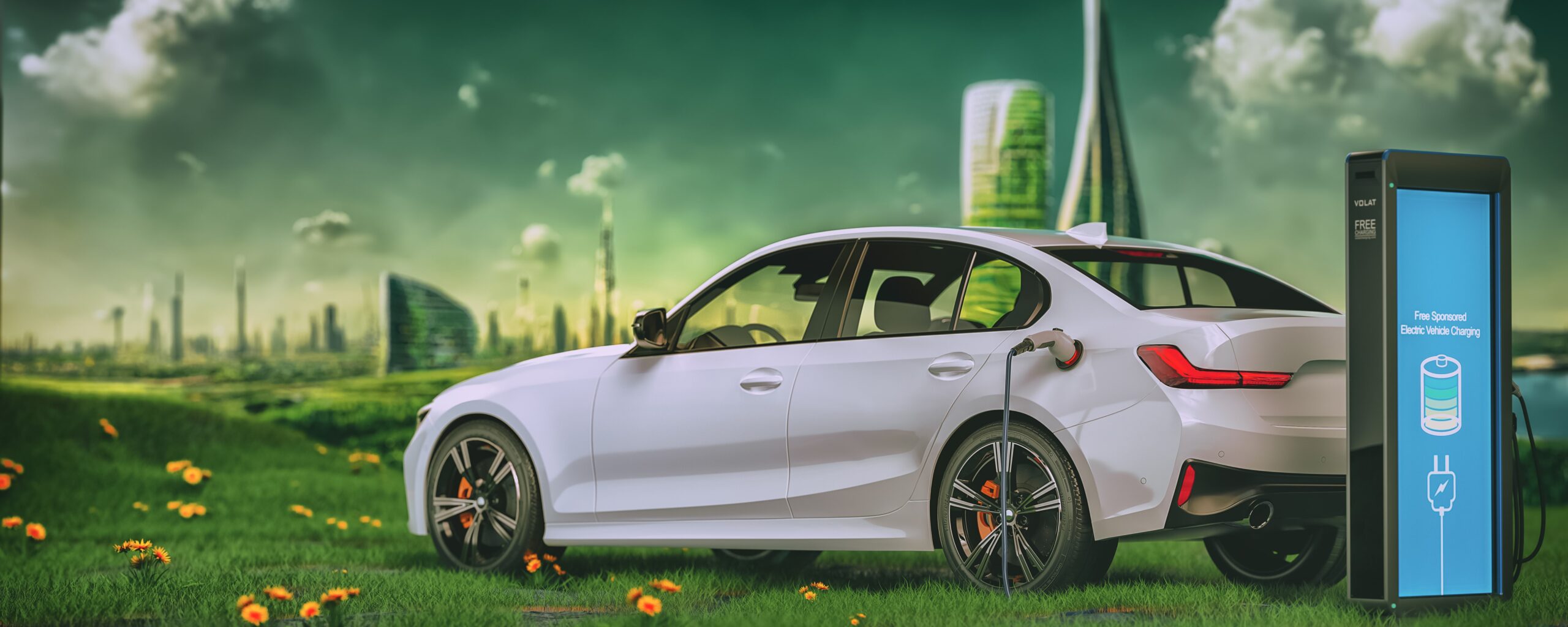
India’s transition to electric mobility is accelerating, and the expansion of EV charging networks will be at the heart of this transformation. With government incentives, private investments, and rising EV adoption, the next few years will see rapid infrastructure growth—reshaping how and where vehicles are charged.
Projected Growth: From Thousands to Millions of Chargers
Current estimates suggest that India will need over 2 million public charging stations by 2030 to meet demand. Urban centers, highways, and semi-urban areas will all require tailored charging solutions. The government’s Faster Adoption and Manufacturing of Electric Vehicles (FAME) scheme and state EV policies are expected to significantly boost deployment.
Technological Trends Shaping the Network
The future charging ecosystem will go beyond basic plug-in stations. Expect ultra-fast DC chargers, wireless charging pads, and AI-driven smart load management to become mainstream. Integration with renewable energy and energy storage systems will help reduce grid dependency and lower operational costs.
Business Models Driving Expansion
Partnerships between automakers, energy companies, and charging providers will dominate the market. Subscription-based charging, pay-per-use models, and bundled services with vehicle purchases are likely to emerge. Public-private collaborations will ensure coverage across both profitable urban hubs and less-developed regions.
Conclusion
The coming decade will see India’s EV charging network transform from a niche utility into a nationwide service backbone. With rapid technological advancements and innovative business models, the focus will shift from just installing chargers to creating smart, accessible, and sustainable energy networks that power the country’s electric mobility revolution.
Share this content:


Post Comment