The Economics of EV Charging: How Stations Make Money
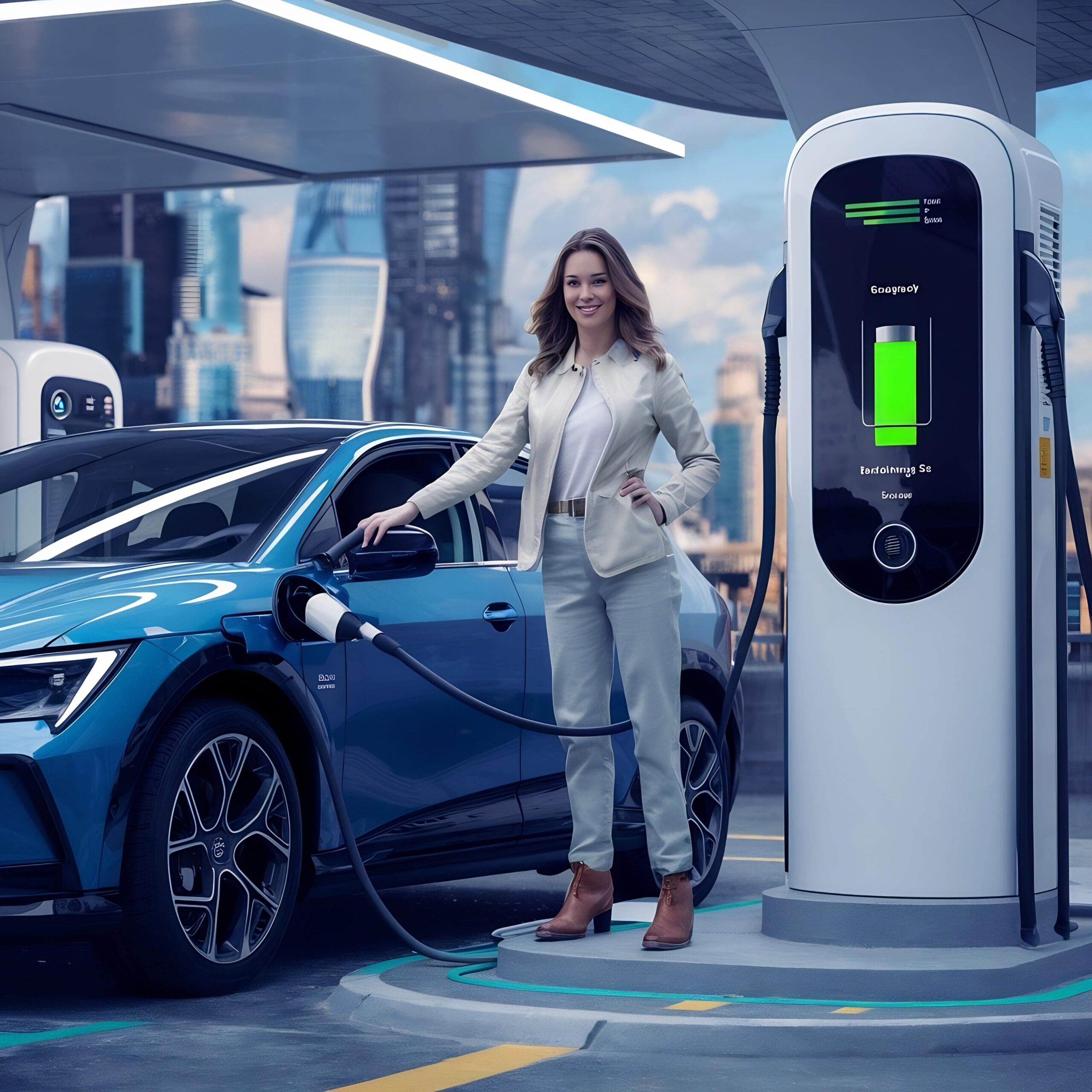
As electric vehicles continue to gain popularity, the demand for EV charging infrastructure has surged. While the environmental benefits of EV adoption are clear, many investors and businesses are curious about how EV charging stations generate revenue. Understanding the economics behind these stations reveals how they are becoming profitable ventures and why they are essential for sustainable mobility.
Revenue Models for EV Charging Stations
EV charging stations earn revenue through multiple models. The most common approach is pay-per-use charging, where users pay a fee based on time or energy consumed. Subscription models are also emerging, offering unlimited charging for a monthly fee. Additionally, some operators adopt dynamic pricing strategies, where costs fluctuate based on demand, location, and energy rates. These models allow businesses to balance affordability for users while ensuring profitability for station owners.
Value-Added Services and Partnerships
Beyond direct charging fees, stations can increase revenue through value-added services. Many stations are integrated with retail outlets, restaurants, or shopping centers, attracting customers who spend while waiting for their vehicles to charge. Partnerships with fleet operators, rideshare companies, and corporate entities provide steady usage and long-term contracts, creating a reliable income stream. Advertising and brand collaborations at charging hubs also contribute to profitability, turning these locations into marketing opportunities.
Future Growth and Investment Potential
The profitability of EV charging stations is expected to increase as adoption accelerates and technology improves. Fast-charging solutions, renewable energy integration, and smart grid connectivity will reduce operational costs and improve margins. Additionally, government incentives and policies promoting clean energy further enhance the business case for charging infrastructure. With the right mix of technology, location, and pricing strategy, EV charging stations are well-positioned to become lucrative investments in the evolving energy and mobility ecosystem.
Conclusion
EV charging stations are more than just a necessity for electric mobility—they represent a growing business opportunity. Through diversified revenue models, strategic partnerships, and innovative services, charging operators can ensure long-term profitability. As the EV market continues to expand, the economics of EV charging will only become stronger, making this sector an attractive option for investors and entrepreneurs.
Share this content:



Post Comment