Tax Breaks and Incentives for Electric Vehicle Buyers in India
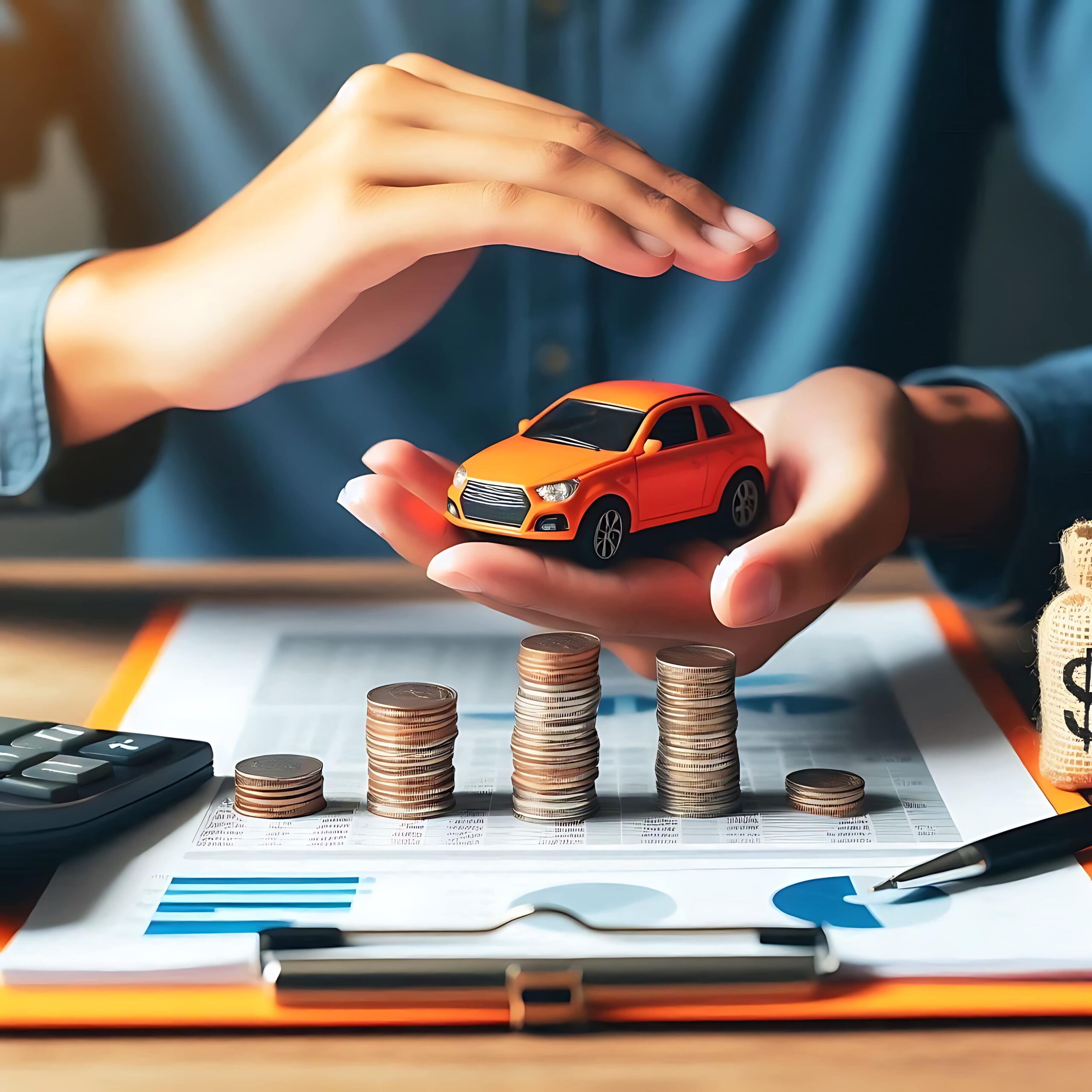
India’s electric vehicle (EV) market is growing rapidly, thanks to a mix of central and state incentives. These benefits are designed to reduce the upfront cost of EVs, make financing more attractive and support the country’s shift to green mobility. Understanding these tax breaks and subsidies can help buyers save a substantial amount on their purchase.
Central Government Incentives for EV Buyers
At the national level, the most important benefit is under Section 80EEB of the Income Tax Act. Individual buyers can claim a deduction of up to ₹1.5 lakh on the interest paid on loans taken to purchase an electric vehicle. In addition, EVs attract only 5% GST, compared to much higher rates for petrol or diesel vehicles. The government’s FAME-II programme also offers direct subsidies to reduce the purchase price of qualifying EVs based on battery capacity.
State-Level Subsidies and Fee Waivers
Alongside central benefits, many state governments offer their own subsidies and tax relaxations. For example, states like Delhi and Gujarat provide significant per-kWh purchase subsidies for electric two-wheelers and cars, capped at about ₹1.5 lakh for four-wheelers. Most states also waive or reduce road tax and registration fees, making EV ownership even more affordable. The actual amounts vary by state, vehicle type and battery size, so buyers should check their state’s current EV policy.
Additional Perks and Considerations
Some states offer extra incentives such as early-bird bonuses, reduced parking charges or subsidies for installing home charging stations. However, many of these benefits are time-bound or limited to the first EV purchased by an individual. Buyers must also ensure that the vehicle they’re purchasing meets the certification and battery standards required to qualify for subsidies.
Conclusion
Tax breaks and incentives at both the central and state levels are making electric vehicles far more accessible to Indian buyers. From income tax deductions and lower GST to generous state subsidies and fee waivers, these measures significantly reduce the cost of ownership. By understanding and leveraging these benefits, consumers can save money while contributing to India’s transition toward cleaner, sustainable mobility.
Share this content:



Post Comment