Shared Mobility Models: Carpooling, E-Bikes & On-Demand Transit
Urban mobility is undergoing a major transformation with the rise of shared transportation solutions. Shared mobility models such as carpooling, e-bikes, and on-demand transit are reshaping how people travel in cities. These models not only reduce congestion and emissions but also offer affordable and flexible transportation options.
Carpooling: Reducing Traffic and Costs
Carpooling allows multiple passengers to share a single vehicle, cutting down on the number of cars on the road. This model helps reduce fuel costs, lower carbon emissions, and alleviate traffic congestion. Carpooling platforms have made it easier than ever to connect commuters traveling in the same direction, promoting community-based transportation.
E-Bikes: A Sustainable Last-Mile Solution
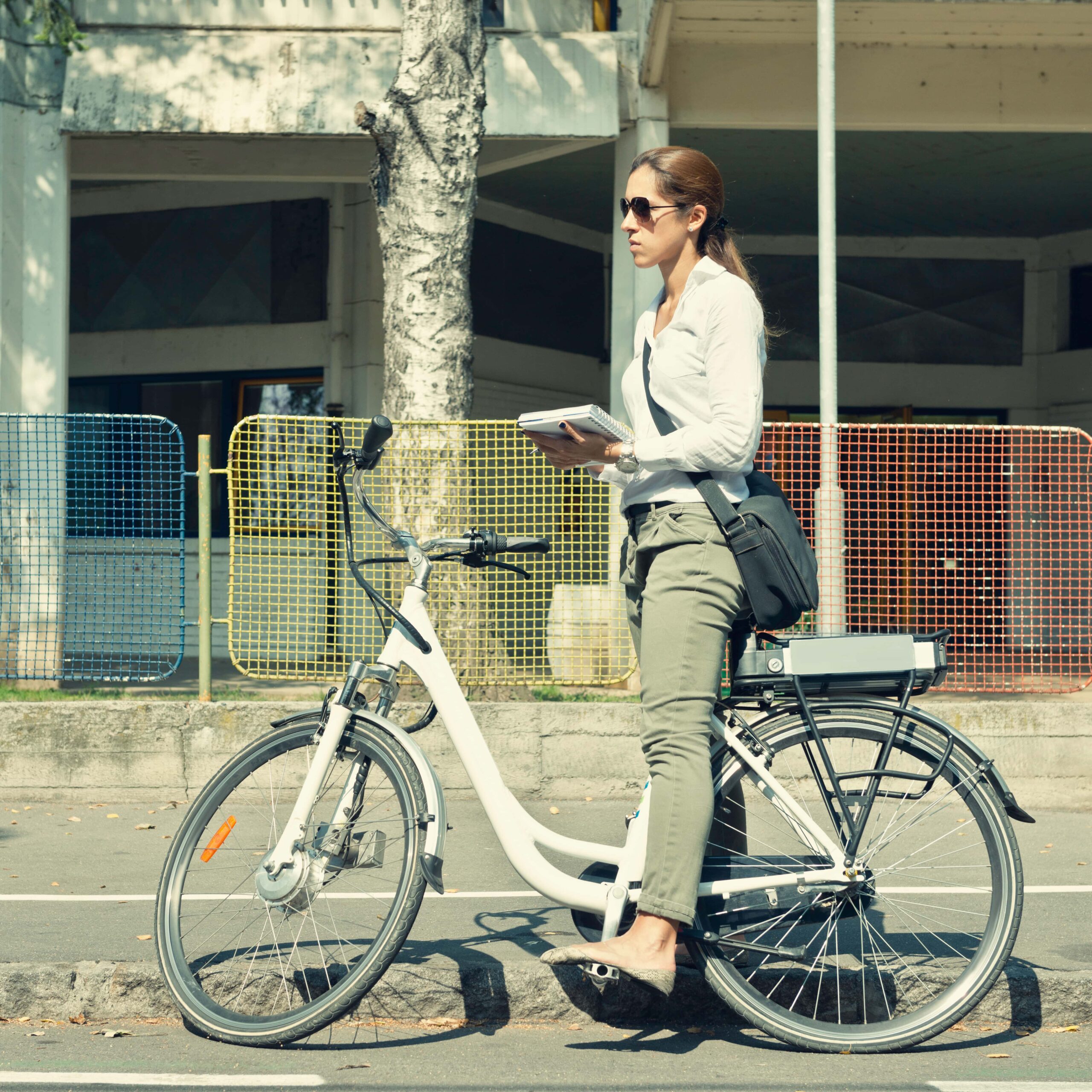
Electric bikes are emerging as a popular choice for short-distance and last-mile connectivity. E-bikes provide a fast, eco-friendly alternative to cars for urban commutes. They require less space for parking, consume less energy compared to motor vehicles, and support sustainable urban transport goals.
On-Demand Transit: Flexibility at Your Fingertips
On-demand transit services combine the convenience of private transport with the affordability of public transit. Using mobile apps, commuters can book rides in shared vans or shuttles that operate on flexible routes. This model offers a personalized, cost-effective alternative to traditional bus or taxi services.
Conclusion
Shared mobility models like carpooling, e-bikes, and on-demand transit are creating smarter, greener, and more accessible transportation systems. As cities strive to reduce congestion and promote sustainability, these solutions will continue to play a crucial role in shaping the future of urban mobility.
Share this content:


Post Comment