Role of 5G in Enhancing EV Performance and Safety
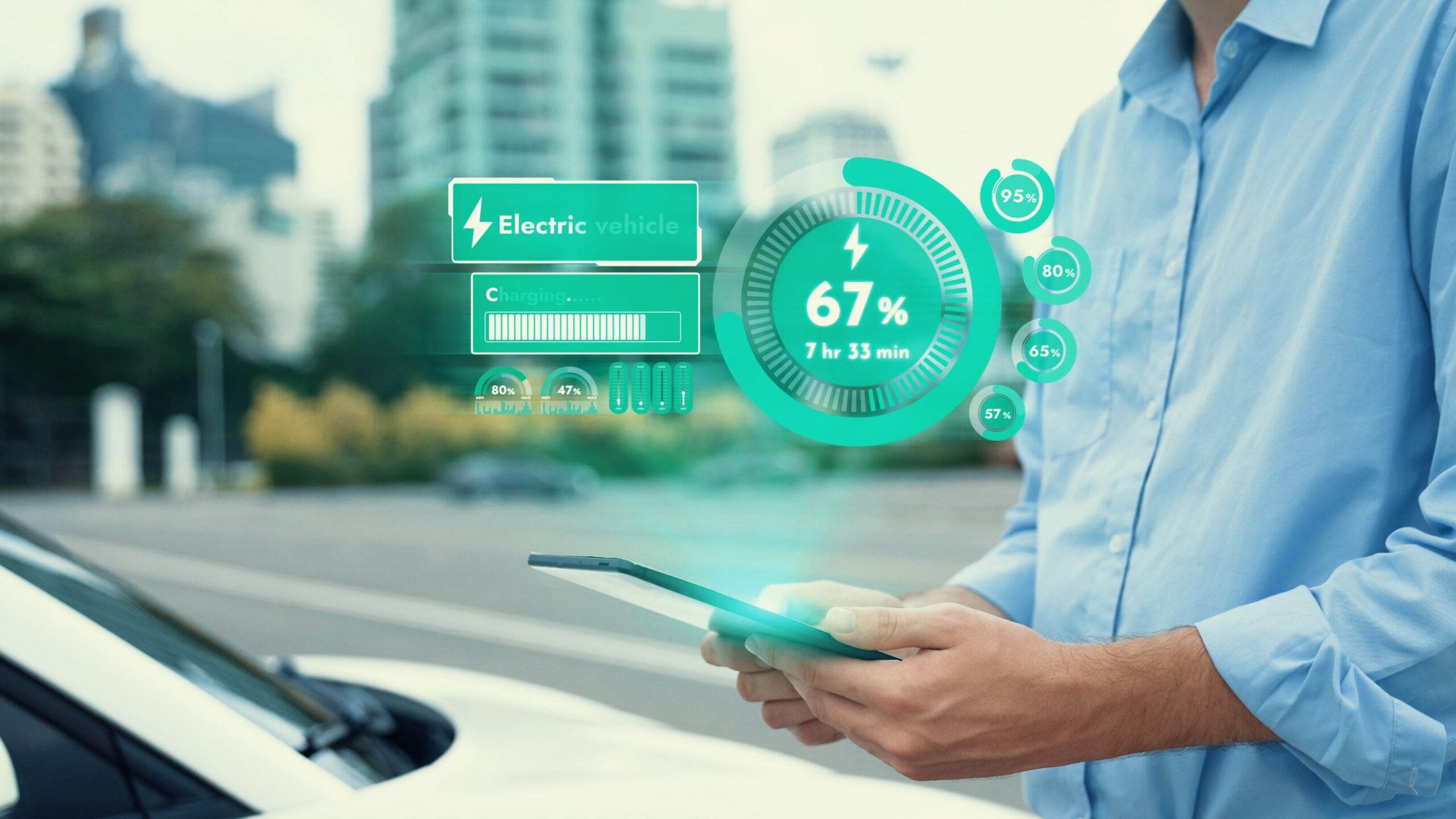
The rise of electric vehicles (EVs) marks a major shift toward cleaner and smarter transportation. However, the true potential of EVs goes beyond battery power and sustainability—it lies in their ability to connect, communicate, and make intelligent decisions on the road. This is where 5G technology steps in. The integration of 5G with electric vehicles is revolutionizing how cars operate, communicate, and ensure passenger safety.
5G: The Backbone of Connected Electric Mobility
5G, or the fifth generation of mobile network technology, offers ultra-fast data transmission, low latency, and massive connectivity. These features make it an essential component in the next generation of smart electric vehicles. With 5G, EVs can exchange information with other vehicles, infrastructure, and the cloud in real time. This enables advanced features like vehicle-to-everything (V2X) communication, allowing EVs to receive instant updates about traffic signals, road conditions, or nearby vehicles. As a result, drivers can enjoy smoother, more efficient journeys while the vehicle’s onboard systems make data-driven decisions for better performance and energy management.
Boosting Performance Through Real-Time Connectivity
One of the key advantages of 5G in EVs is its ability to optimize performance through continuous data exchange. EVs equipped with 5G can monitor and adjust battery usage, temperature control, and energy efficiency in real time. Cloud-based analytics can process driving patterns and suggest optimal routes to reduce energy consumption. Moreover, 5G supports over-the-air (OTA) software updates, ensuring that vehicles always run on the latest systems without needing physical service center visits. This instant connectivity also enhances navigation accuracy and charging network integration, helping drivers locate nearby charging stations or plan routes based on battery levels.
Enhancing Safety with 5G-Powered Communication
Safety is at the heart of 5G integration in electric vehicles. With ultra-low latency—response times as fast as one millisecond—5G enables near-instant communication between vehicles and their surroundings. This rapid data exchange can prevent accidents by alerting drivers to potential hazards such as sudden braking by nearby cars, pedestrians crossing, or obstacles on the road. In autonomous and semi-autonomous EVs, 5G connectivity is even more crucial, allowing vehicles to make split-second decisions that could save lives. Furthermore, emergency response systems can transmit real-time vehicle data to authorities during accidents, ensuring faster and more effective rescue operations.
Conclusion
The role of 5G in enhancing EV performance and safety is transformative. By enabling faster communication, smarter navigation, and real-time data analysis, 5G technology is making electric vehicles more intelligent, efficient, and secure. As the global rollout of 5G networks continues, we can expect EVs to become not just cleaner alternatives to traditional cars, but truly connected and autonomous machines designed for the future of mobility. With 5G leading the charge, the future of electric driving is faster, safer, and smarter than ever before.
Share this content:


Post Comment