Rising Demand for Two-Wheeler and Three-Wheeler EVs in India
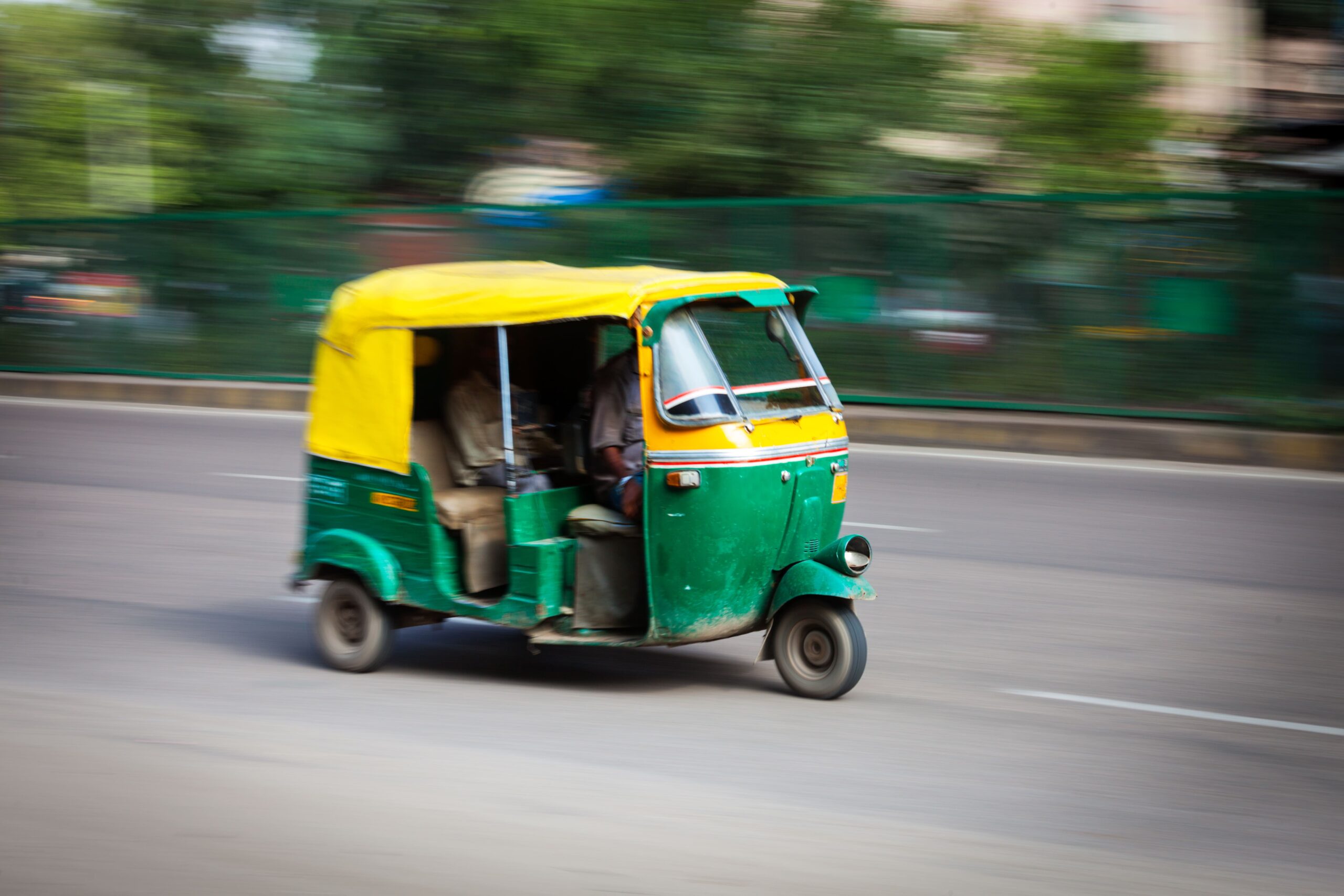
India’s electric mobility revolution is being driven not only by cars and buses but also by the surging demand for two-wheeler and three-wheeler EVs. Affordable, efficient, and well-suited to the country’s urban and semi-urban transport needs, these segments are emerging as the backbone of India’s clean mobility shift.
Why Two-Wheeler EVs Are Gaining Popularity
Electric scooters and motorcycles have quickly gained traction among Indian consumers due to their low running costs, ease of charging, and suitability for congested city traffic. With fuel prices consistently rising, EV two-wheelers offer a cost-effective alternative, especially for daily commuters. Government incentives, such as subsidies under the FAME-II scheme and state EV policies, have further boosted adoption. The growing network of public and home-based charging options has also eased range anxiety.
The Rise of Three-Wheeler EVs in Public and Commercial Transport
Three-wheeler EVs, especially e-rickshaws and electric cargo loaders, are transforming urban transport and last-mile delivery services. Affordable to operate and easy to maintain, these vehicles provide a sustainable solution for both passenger mobility and goods transport. Many state governments have introduced policies to replace diesel and CNG three-wheelers with electric alternatives, creating a robust market for manufacturers and fleet operators.
Industry Response and Market Outlook
Automakers and startups are actively expanding their product offerings in these categories. Leading brands are focusing on improving battery life, reducing charging time, and enhancing vehicle durability to suit India’s diverse road conditions. Analysts predict that the two-wheeler and three-wheeler EV segments will account for a major share of India’s EV market by 2030, driven by rapid urbanization, e-commerce growth, and environmental awareness.
Conclusion
The rising demand for two-wheeler and three-wheeler EVs in India reflects a practical and scalable path toward sustainable mobility. By catering to everyday transport needs, these vehicles are playing a crucial role in reducing urban pollution, lowering transport costs, and advancing India’s electric mobility mission. With continued policy support, infrastructure growth, and technological innovation, these segments are set to dominate the country’s EV landscape in the years to come.
Share this content:

Post Comment