Power Electronics in EVs: Ensuring Efficiency and Control

The rise of electric vehicles (EVs) has brought power electronics into the spotlight as a crucial technology driving modern mobility. From converting and controlling electric energy to enabling smooth acceleration and efficient battery usage, power electronics are at the core of every EV’s performance. They play a vital role in managing the energy flow between the battery, motor, and auxiliary systems, making the vehicle more efficient, reliable, and responsive. In this blog, we explore how power electronics ensure efficiency and control in electric vehicles and why they are key to the EV revolution.
What Are Power Electronics in EVs?
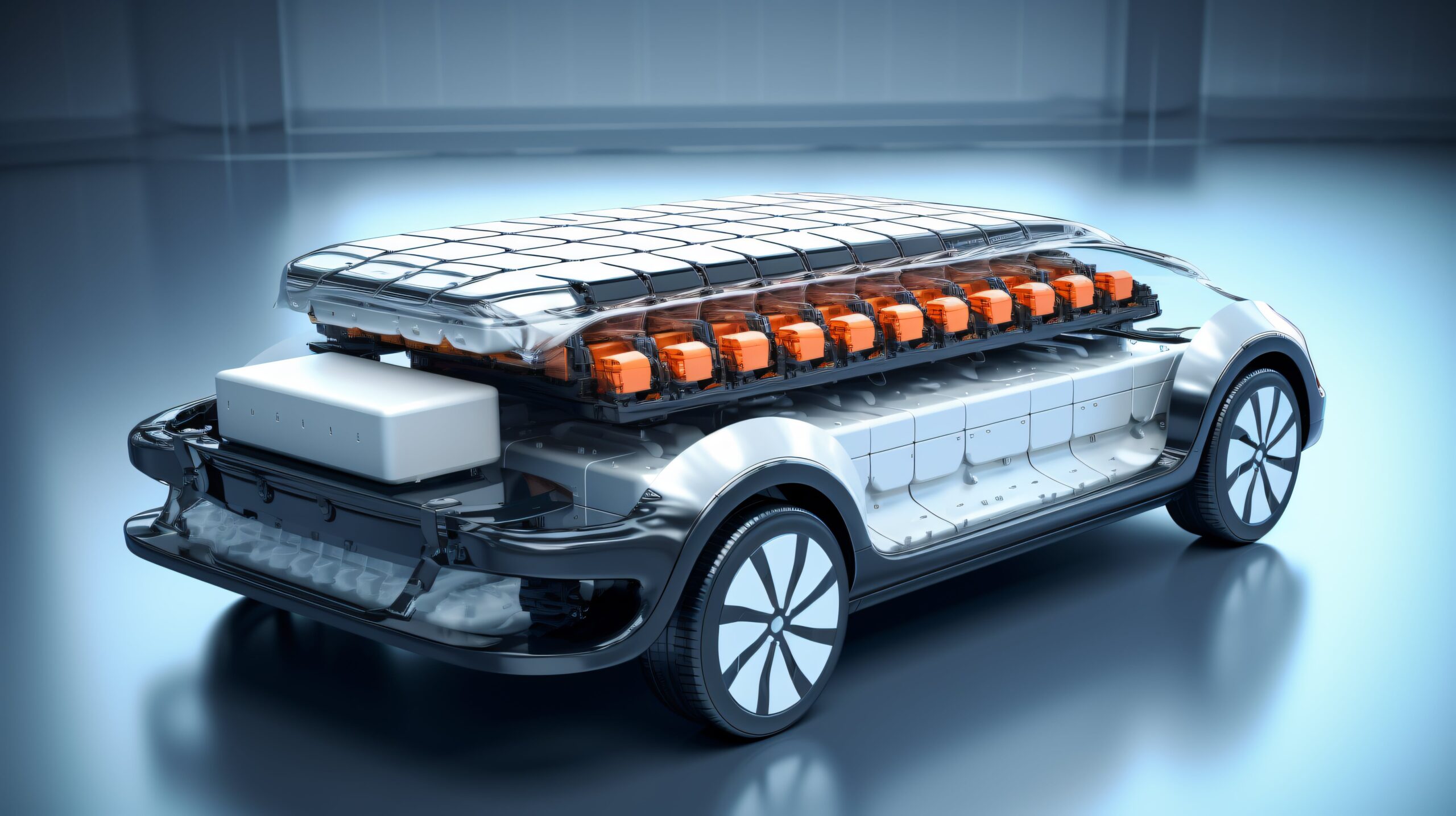
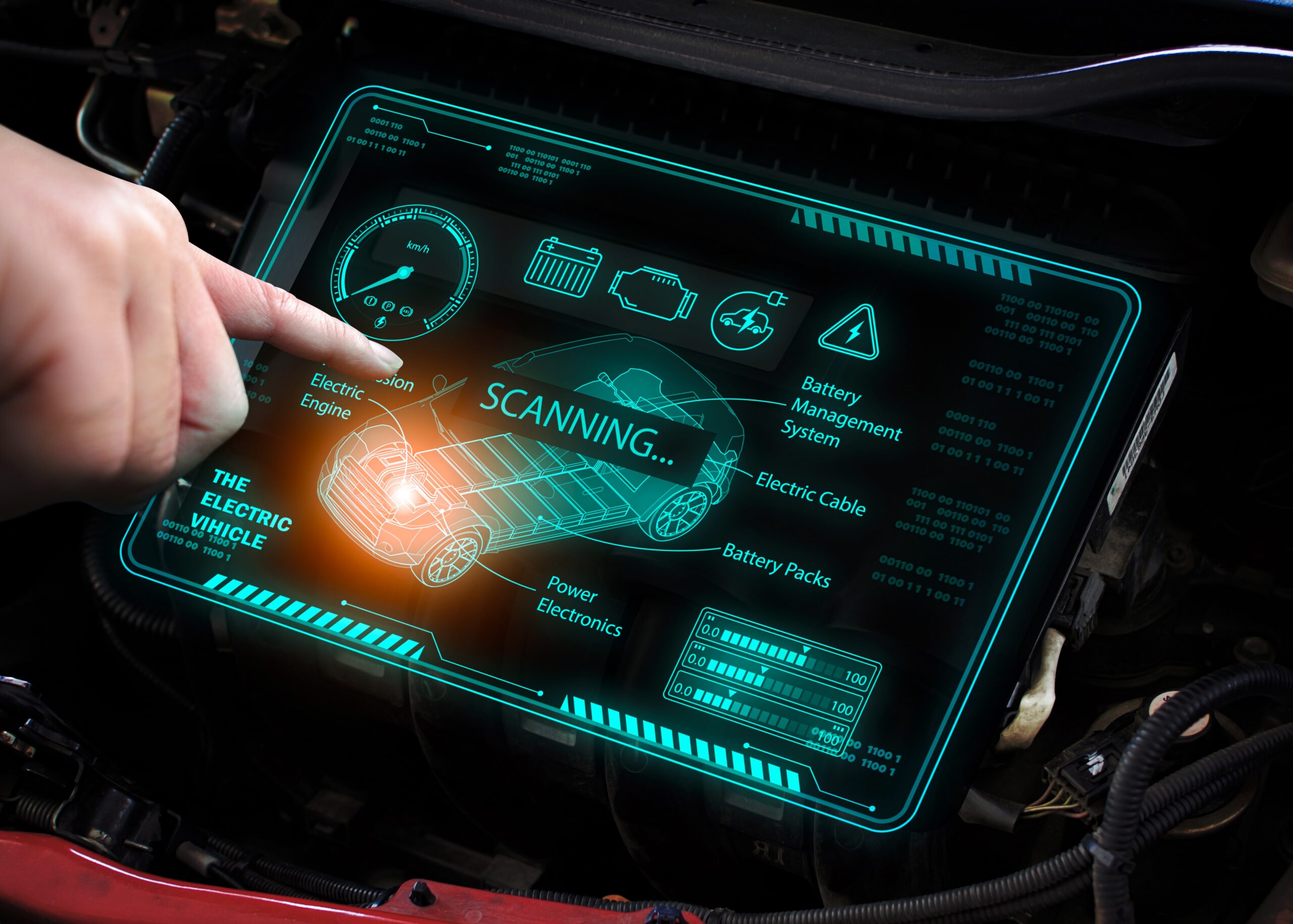
Power electronics refer to the electronic systems and components that manage the conversion of electrical energy from one form to another. In EVs, these systems are responsible for converting DC electricity from the battery into AC power for the motor, and vice versa during regenerative braking. Core components include inverters, converters, and onboard chargers. The inverter transforms DC power into AC to drive the motor, while DC-DC converters adjust voltage levels for various subsystems like lighting, infotainment, and safety controls. Onboard chargers handle the conversion of AC electricity from a wall outlet into DC to recharge the battery. Together, these systems form the foundation of power control within the EV.
Enhancing Efficiency Through Smart Energy Management
Power electronics are essential for maximizing the energy efficiency of electric vehicles. By precisely managing the flow of energy between the battery, motor, and external power sources, they reduce energy losses and improve overall vehicle performance. High-efficiency inverters and converters ensure that more energy goes into propulsion and less is wasted as heat. Modern advancements, such as silicon carbide (SiC) and gallium nitride (GaN) semiconductor materials, allow for faster switching, smaller components, and better thermal performance. These improvements lead to reduced energy consumption, extended range, and lower battery stress—benefits that are crucial for both EV users and manufacturers.
Ensuring Control and Smooth Driving Experience
Beyond efficiency, power electronics also contribute to the control and drivability of EVs. They enable precise regulation of motor speed and torque, which translates into smoother acceleration, deceleration, and overall handling. Whether it’s a gentle start in city traffic or powerful acceleration on highways, power electronics adjust the motor response in real time based on the driver’s input and road conditions. They also support advanced functions like regenerative braking, where the electric motor reverses to convert kinetic energy back into electrical energy. This not only improves efficiency but also enhances braking control and reduces wear on mechanical brake components.
Conclusion: Powering the EV Evolution
Power electronics are the invisible force behind the performance, efficiency, and control of electric vehicles. As EV technology continues to evolve, the role of inverters, converters, and smart control systems will become even more critical. By ensuring that every bit of energy is used wisely and every drive is smooth and safe, power electronics pave the way for a cleaner, more efficient transportation future. For automakers, engineers, and EV enthusiasts, understanding this technology is essential to embracing and shaping the future of mobility.
Share this content:
Post Comment