Life Cycle Analysis: EV vs. Petrol Vehicle
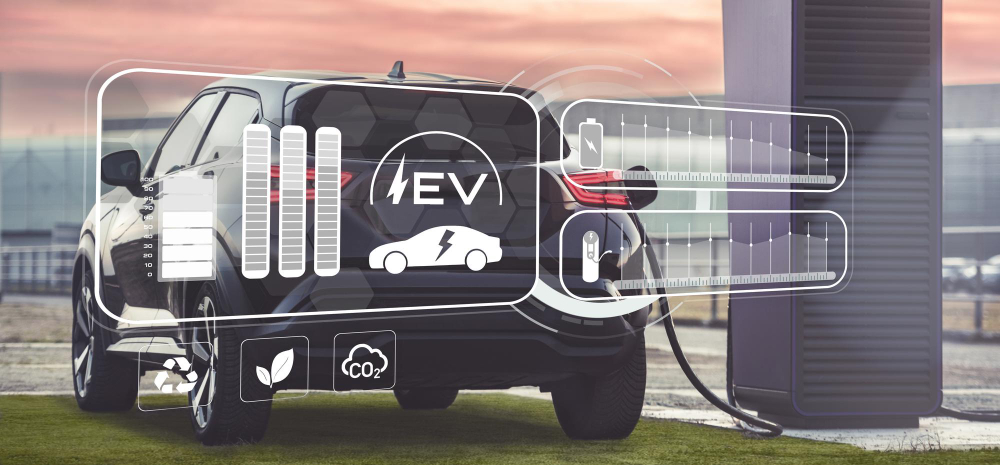
Life Cycle Analysis (LCA) evaluates a vehicle’s total environmental impact—from raw material extraction and manufacturing to daily use and end-of-life disposal. When comparing electric vehicles (EVs) with petrol vehicles, LCA provides a more accurate picture of sustainability beyond just tailpipe emissions. This approach helps consumers and policymakers understand the true environmental cost of each option.
Manufacturing and Resource Extraction
Electric vehicles typically have a higher environmental impact during manufacturing due to battery production. Mining materials such as lithium, nickel, and cobalt requires significant energy and resources. However, advancements in battery technology, recycling processes, and cleaner supply chains are steadily reducing this impact. Petrol vehicles have a lower initial manufacturing footprint, but their dependence on fossil fuel extraction and refining adds environmental damage even before vehicle usage begins.
Usage Phase and Operational Emissions
During operation, EVs produce zero tailpipe emissions, making them cleaner for urban air quality. Even when electricity comes from a mixed energy grid, EVs generally generate fewer lifetime emissions compared to petrol vehicles. Petrol cars continuously emit carbon dioxide and other pollutants throughout their lifespan, contributing to air pollution and climate change.
End-of-Life Impact and Recycling
EVs benefit from growing battery recycling technologies that recover valuable materials and reduce waste. Proper recycling lowers the long-term environmental impact of EVs significantly. Petrol vehicles, while easier to dismantle, generate ongoing waste from engine oils, exhaust systems, and non-recyclable components, adding to environmental burden.
Conclusion
Life Cycle Analysis shows that while electric vehicles may have a higher environmental impact during manufacturing, they outperform petrol vehicles over their lifetime due to lower operational emissions and improved recyclability. As renewable energy adoption and battery recycling continue to expand, EVs clearly emerge as the more sustainable long-term transportation solution.
Share this content:


Post Comment