Leasing vs. Buying an EV: Which Option Saves More?
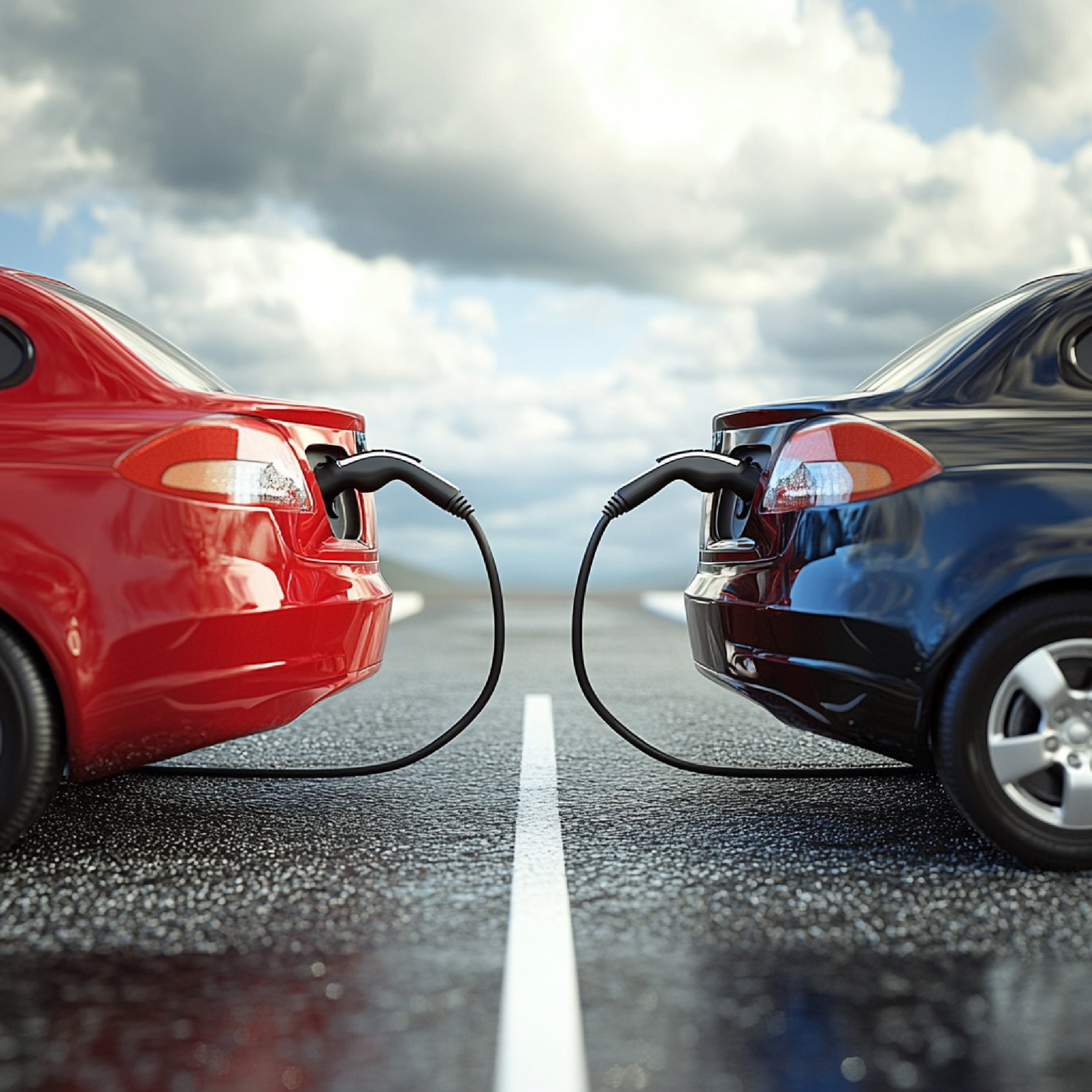
Electric vehicles (EVs) are increasingly becoming a popular choice in India due to lower running costs, sustainability, and government incentives. However, one of the key decisions for individuals and businesses is whether to lease or buy an EV. Both options have their advantages and financial implications. Understanding the differences can help you make the most cost-effective choice.
Advantages of Buying an EV
Buying an EV provides full ownership, allowing you to use the vehicle freely without restrictions. Owners can benefit from government subsidies under schemes like FAME-II and enjoy tax benefits depending on state policies. Over time, buying can be more economical, especially if the vehicle is used for several years, since there are no recurring lease payments. Additionally, you have the flexibility to modify, sell, or trade the EV as needed.
Advantages of Leasing an EV
Leasing an EV is ideal for those who want lower upfront costs and predictable monthly payments. Leasing typically includes maintenance, insurance, and sometimes charging support, which reduces operational hassles. It also allows businesses and individuals to upgrade to newer models frequently without worrying about resale value or battery degradation. Leasing is particularly appealing for corporate fleets, startups, or students who prefer short-term commitments.
Cost Comparison: Leasing vs Buying
The financial decision depends on factors such as vehicle price, loan interest rates, lease terms, and expected usage. Buying may have a higher upfront cost but can be cheaper in the long run if the EV is used extensively. Leasing offers lower initial investment and included services but can be costlier over time if used beyond the lease period. Total cost calculations should also account for government incentives, maintenance, insurance, and depreciation.
Conclusion
Deciding between leasing and buying an EV depends on your financial situation, usage pattern, and flexibility needs. Buying is better for long-term ownership and maximum savings over time, while leasing offers lower upfront costs and convenience, especially for businesses or short-term users. By carefully evaluating costs, incentives, and lifestyle requirements, you can choose the option that saves the most and suits your needs best.
Share this content:

Post Comment