Latest Government Policies Impacting the EV Sector in India
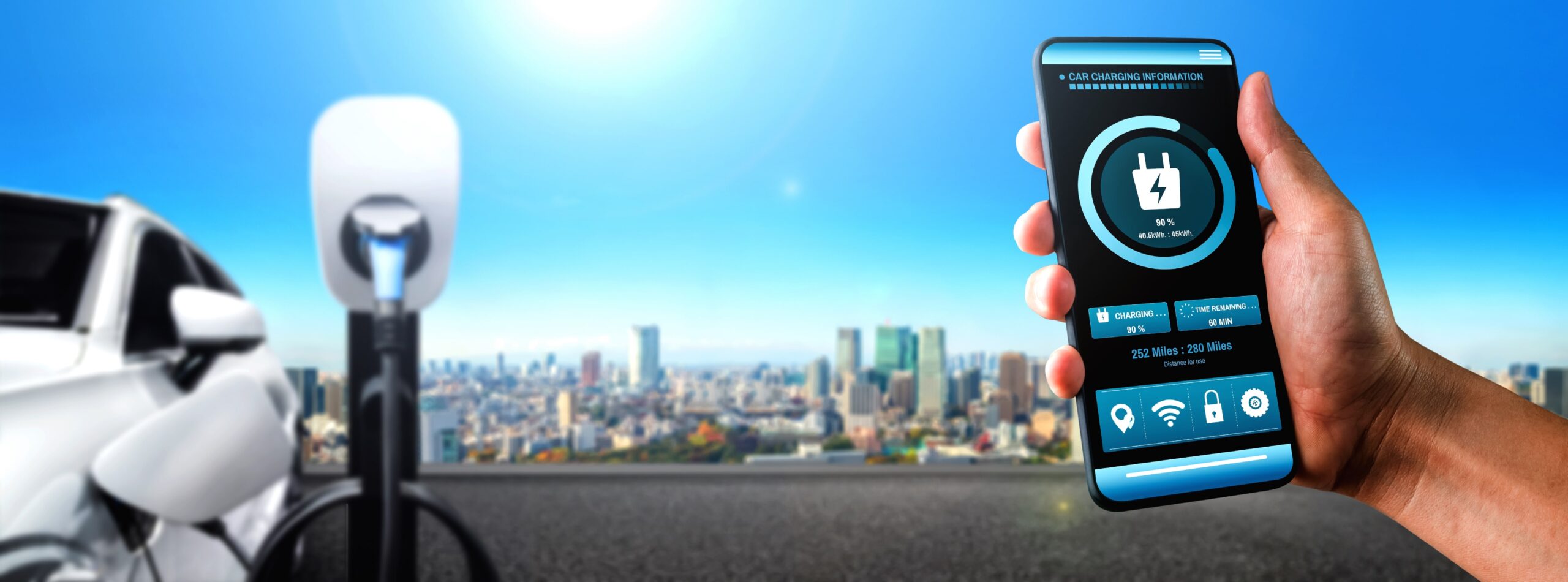
India’s electric vehicle (EV) industry is evolving rapidly, driven by a combination of technological innovation, environmental consciousness, and proactive government support. To achieve its goal of 30% EV adoption by 2030, the Indian government has rolled out several new policies and schemes aimed at boosting both the supply and demand sides of the EV ecosystem. Let’s explore the latest government policies that are shaping the future of the EV sector in India.
PM e-DRIVE and FAME III: Encouraging Adoption and Manufacturing
One of the most significant recent developments is the launch of the PM e-DRIVE scheme, introduced in 2024. With a budget allocation of ₹10,900 crore, this scheme aims to incentivize the purchase of electric two-wheelers, three-wheelers, buses, and even electric trucks. This move is expected to reduce vehicle costs for end users and promote adoption, especially in commercial and public transport sectors.
Additionally, the government is preparing to launch FAME III (Faster Adoption and Manufacturing of Electric Vehicles) with an estimated budget of ₹15,000 crore. This third phase focuses on expanding charging infrastructure in smaller cities, increasing support for electric commercial vehicles, and encouraging local component manufacturing to reduce dependency on imports.
New EV Policy 2025: Slashing Import Duties and Attracting Investment
To further energize the sector, the government introduced the New EV Policy 2025, which offers reduced import duties for global EV manufacturers. Under this policy, companies can import EVs at a concessional rate of 15 percent, down from 70 to 100 percent, provided they commit to a minimum investment of ₹4,150 crore and set up local manufacturing within three years.
This policy is strategically designed to attract foreign players like Tesla and VinFast while ensuring long-term benefits for the Indian economy through job creation, technology transfer, and domestic production. It represents a major shift in the government’s approach, balancing immediate accessibility with long-term localization.
Tax Incentives and State-Level Benefits Boosting EV Appeal
In addition to central schemes, individual states are playing a crucial role in promoting electric mobility. Several states have launched their own EV policies offering a mix of financial incentives and infrastructure support.
Delhi has extended its EV policy until 2026, offering purchase subsidies and exemptions from road tax and registration fees. Uttar Pradesh provides subsidies for various EV segments and supports the development of EV parks and charging stations. Tamil Nadu, Maharashtra, and Gujarat are offering capital subsidies, interest support, and incentives to boost EV manufacturing and adoption.
On the central level, EV buyers continue to benefit from a reduced GST rate of 5 percent, compared to 28 percent for traditional vehicles. In addition, individuals can claim a tax deduction of up to ₹1.5 lakh on the interest paid on EV loans under Section 80EEB of the Income Tax Act.
Conclusion
The Indian government is laying a strong foundation for the growth of the EV sector through well-structured and forward-thinking policies. Whether it’s the FAME III scheme to boost adoption, the New EV Policy 2025 to bring global giants into the Indian market, or various tax benefits and state-level incentives, these initiatives are making electric vehicles more accessible, affordable, and sustainable.
As infrastructure improves and consumer awareness grows, India is well on its way to becoming a global leader in electric mobility. Stakeholders in the EV ecosystem — from manufacturers to consumers — must stay updated on these evolving policies to make informed decisions and fully capitalize on the opportunities ahead.
Share this content:


Post Comment