India’s EV Market 2025: Key Growth Trends & Government Policies
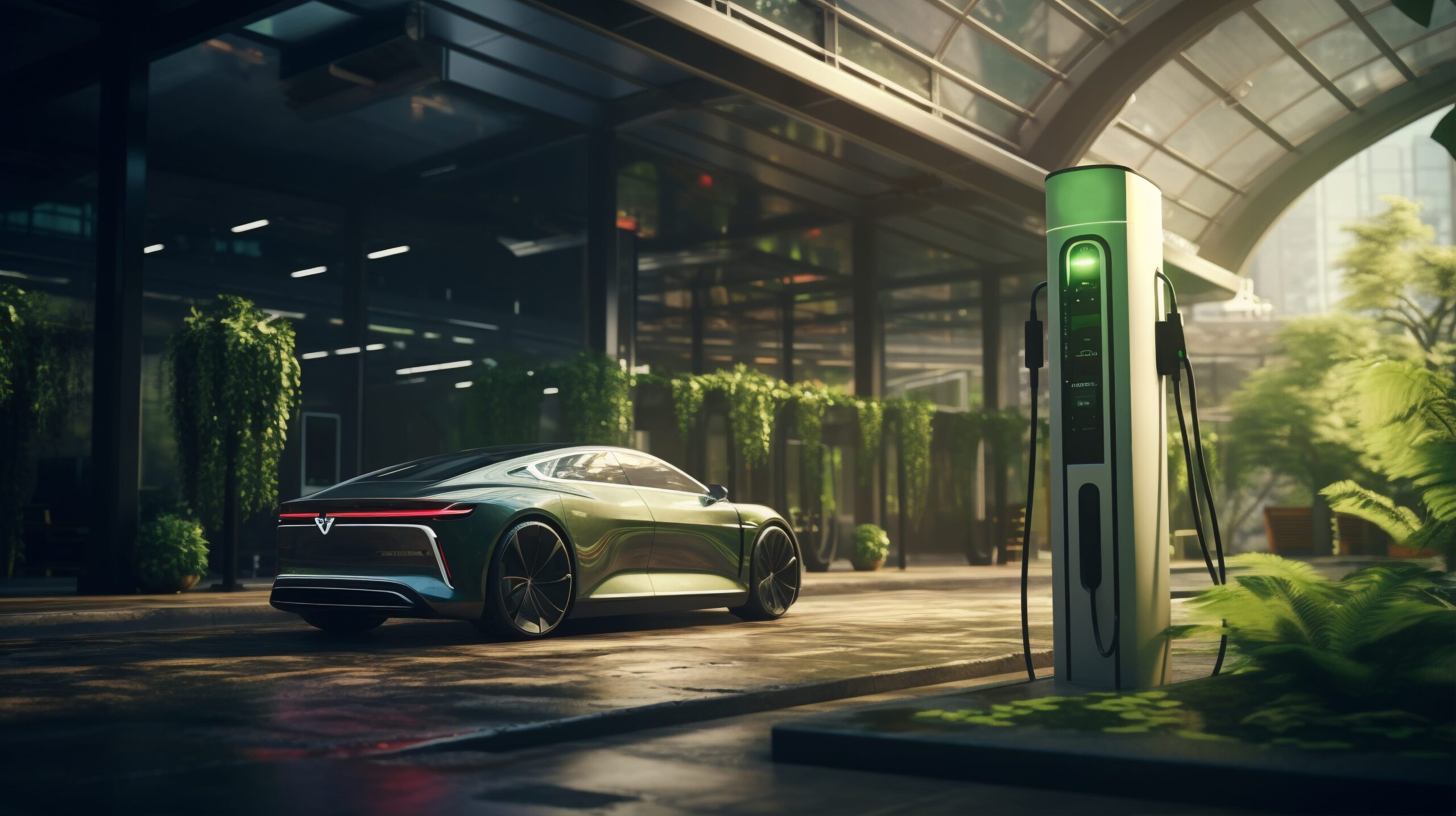
Driving Towards a Greener Future: The Evolution of India’s EV Market in 2025
India’s electric vehicle (EV) market is undergoing a transformational shift in 2025, backed by progressive policies, technological innovation, and rising environmental awareness. With a goal to reduce carbon emissions and dependence on fossil fuels, the Indian government and private sector are investing heavily in electrification. The year 2025 is pivotal, with rapid infrastructure development, localization efforts, and supportive policies pushing EV adoption beyond metro cities into Tier 2 and Tier 3 markets.
Surge in EV Adoption and Market Expansion
India is expected to see over 2 million EV sales in 2025, driven by two-wheelers and three-wheelers, which form the backbone of urban mobility. Major auto players like Tata, Mahindra, and Ola Electric are expanding their EV portfolios, while new entrants are introducing affordable models to cater to mass-market consumers. States like Maharashtra, Delhi, and Tamil Nadu are becoming EV manufacturing hubs, fueling job creation and regional growth.
Government Policies Accelerating Growth
The Faster Adoption and Manufacturing of Hybrid and Electric Vehicles (FAME II) scheme continues to play a central role by offering subsidies and incentives on EV purchases. The Production Linked Incentive (PLI) scheme for advanced chemistry cell (ACC) battery storage and EV component manufacturing is boosting local production. Additionally, state-level policies offer road tax exemptions, registration waivers, and charging infrastructure grants, significantly reducing ownership costs.
Infrastructure and Technology Driving Adoption
2025 marks a turning point for EV infrastructure in India, with a surge in public and private charging stations. Companies like Tata Power, Jio-bp, and Ather Energy are deploying fast chargers along highways and urban zones. Battery swapping technology is gaining traction, especially for fleet operators. The rise of connected vehicle technologies and AI-driven energy management systems is also enhancing the user experience and operational efficiency.
Conclusion
India’s EV market in 2025 reflects a powerful blend of innovation, policy, and consumer shift towards sustainability. With strong government backing, enhanced infrastructure, and growing public acceptance, India is on track to become one of the largest EV markets globally. Continued collaboration between policymakers, industry players, and consumers will be key to ensuring the long-term success and impact of the electric mobility revolution.
Share this content:


Post Comment