Hydrogen vs. Electric: Competing or Complementary Technologies?

The future of clean mobility is no longer a distant vision—it is here. With rising concerns about climate change and carbon emissions, two major technologies have taken the spotlight: hydrogen fuel cells and battery electric vehicles (BEVs). While both aim to reduce dependency on fossil fuels and promote sustainable transport, the question remains: are they competing against each other or complementing one another?
Understanding the Core Difference
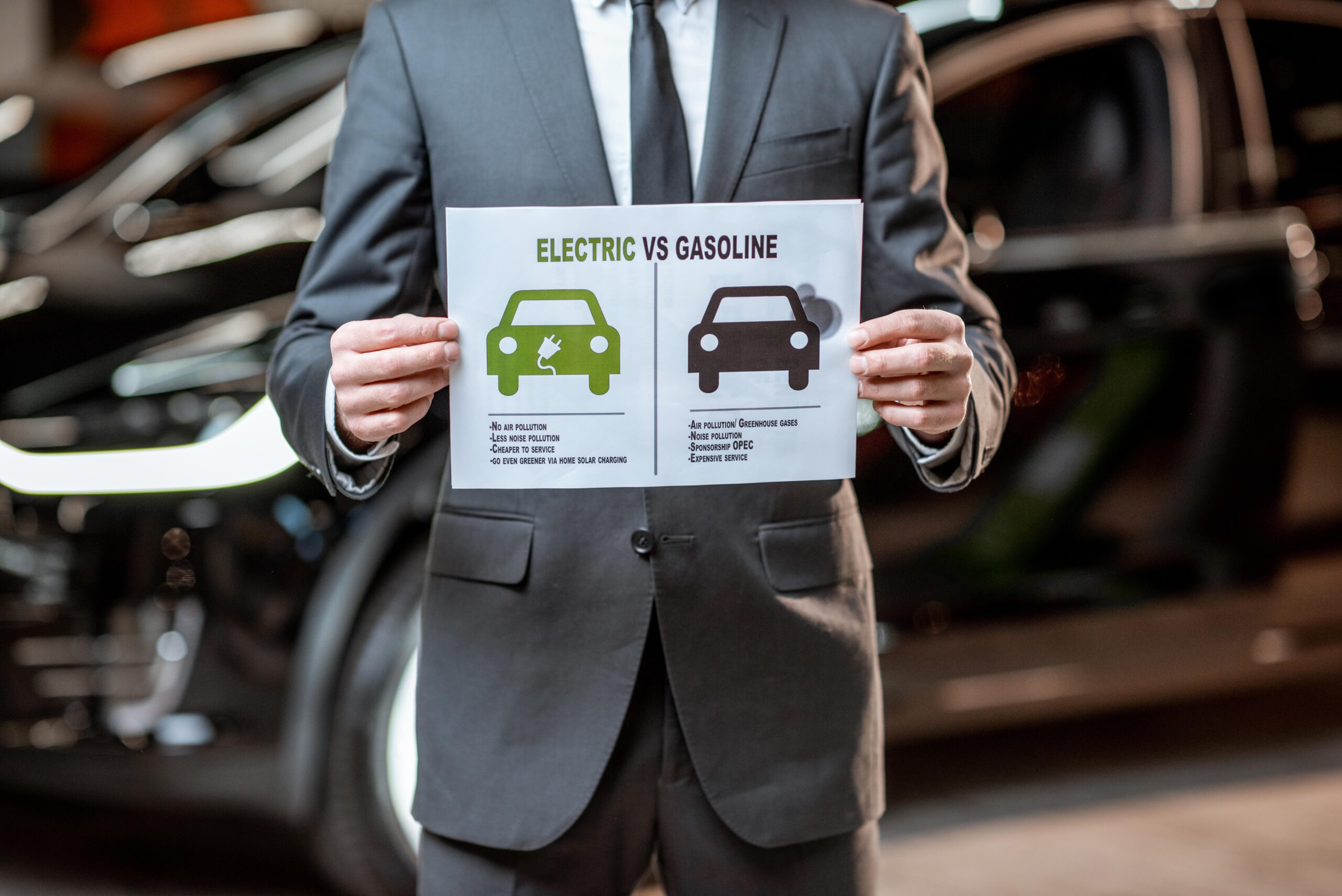
Electric vehicles rely on rechargeable batteries to store energy, which powers an electric motor. These vehicles are widely adopted for personal use, urban mobility, and short to medium-range travel. On the other hand, hydrogen vehicles use fuel cells that convert hydrogen gas into electricity, emitting only water vapor as a byproduct. This makes them attractive for long-range applications, heavy-duty transportation, and sectors where battery weight and charging time are major concerns.
Where Each Technology Excels
Battery electric vehicles dominate the passenger vehicle market because of their efficiency, growing charging infrastructure, and falling battery costs. They are well-suited for city driving and regional commuting, where fast charging stations are becoming increasingly common. Hydrogen fuel cell technology, however, shines in heavy commercial vehicles, long-haul trucking, and industries requiring quick refueling and longer range. For example, logistics companies and public transport operators are exploring hydrogen buses and trucks to minimize downtime.
The Future: Competition or Collaboration?
Instead of competing, hydrogen and electric technologies are likely to complement each other in building a diversified, zero-emission mobility ecosystem. Electric vehicles will continue to lead in the consumer and light commercial segments, while hydrogen will serve as a key solution for long-distance freight, industrial transportation, and even aviation in the future. Both technologies address different challenges and can coexist to accelerate the global shift toward clean energy.
Conclusion: A Dual-Pathway to Sustainability
Hydrogen and electric vehicles are not rivals; they are partners in the mission to create a cleaner and greener planet. By leveraging the strengths of both technologies in their respective areas, the transportation industry can ensure an efficient, scalable, and sustainable future.
Share this content:


Post Comment