How Smart Charging Systems are Changing the EV Landscape
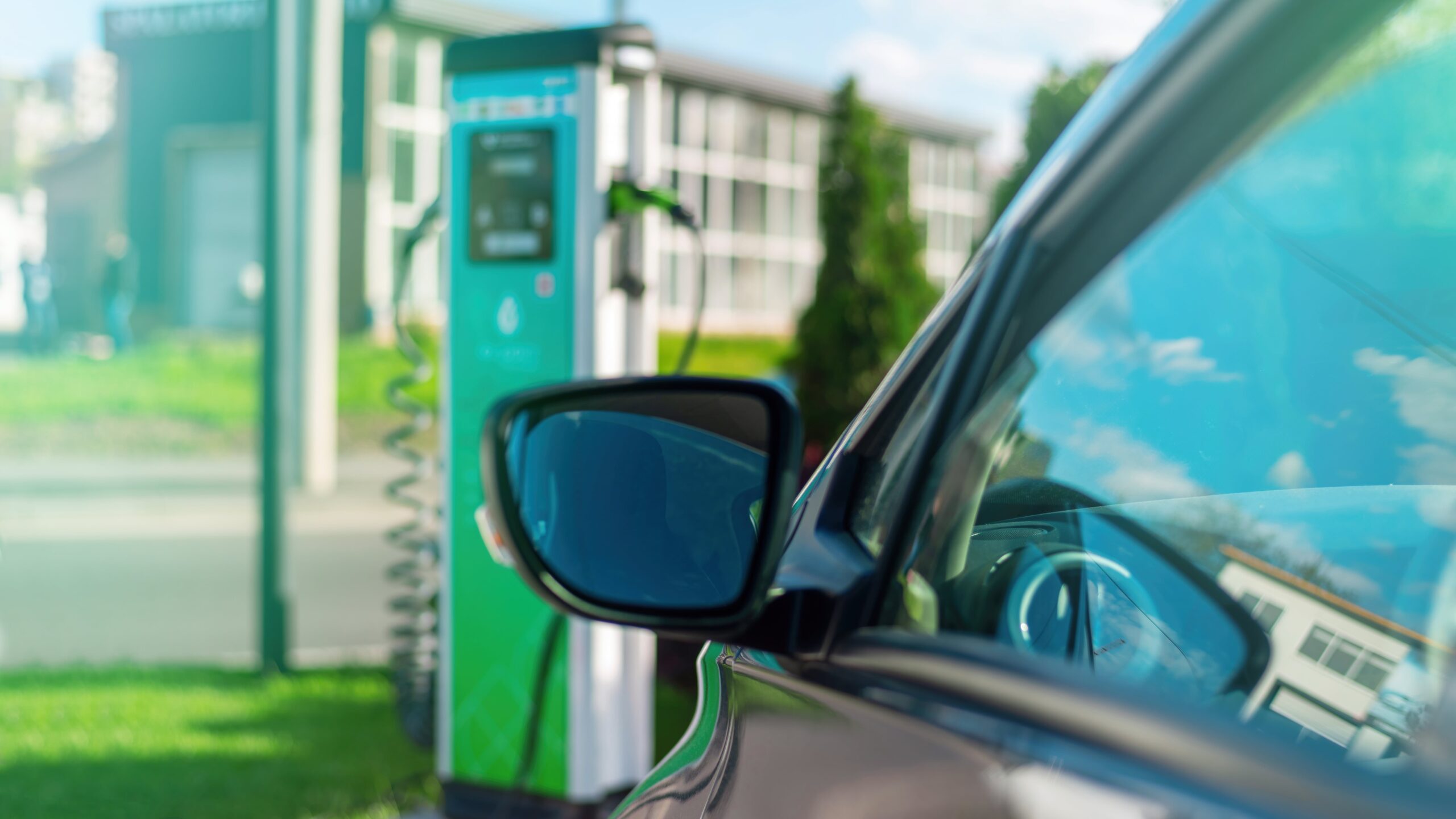
The rapid rise of electric vehicles (EVs) has brought with it the need for more efficient, user-friendly, and intelligent charging solutions. Smart charging systems are revolutionizing the EV sector by integrating technology, data, and automation to optimize charging experiences for both consumers and grid operators.
Optimizing Energy Use and Costs
Smart charging systems can adjust charging speed based on electricity demand, grid load, and energy prices. This allows EV owners to charge during off-peak hours, reducing costs and minimizing strain on the power grid. By balancing demand, smart chargers also support renewable energy integration, using cleaner power sources whenever available.
Remote Monitoring and Control
With mobile apps and cloud-based platforms, EV owners can monitor their charging status in real-time, schedule charging sessions, and even stop or start charging remotely. This level of control provides convenience, prevents overcharging, and helps extend battery life.
Enabling Vehicle-to-Grid (V2G) Technology
One of the most promising advancements in smart charging is Vehicle-to-Grid capability, where EVs can send excess stored energy back to the grid during peak demand. This transforms EVs into mobile energy storage units, creating new revenue opportunities for owners and supporting overall grid stability.
Conclusion
Smart charging systems are reshaping the EV landscape by making charging more cost-efficient, sustainable, and interactive. As these technologies continue to evolve, they will play a key role in accelerating EV adoption and transforming the way we think about mobility and energy.
Share this content:



Post Comment