How Regenerative Braking Works in Electric Vehicles
Understanding the Basics of Regenerative Braking
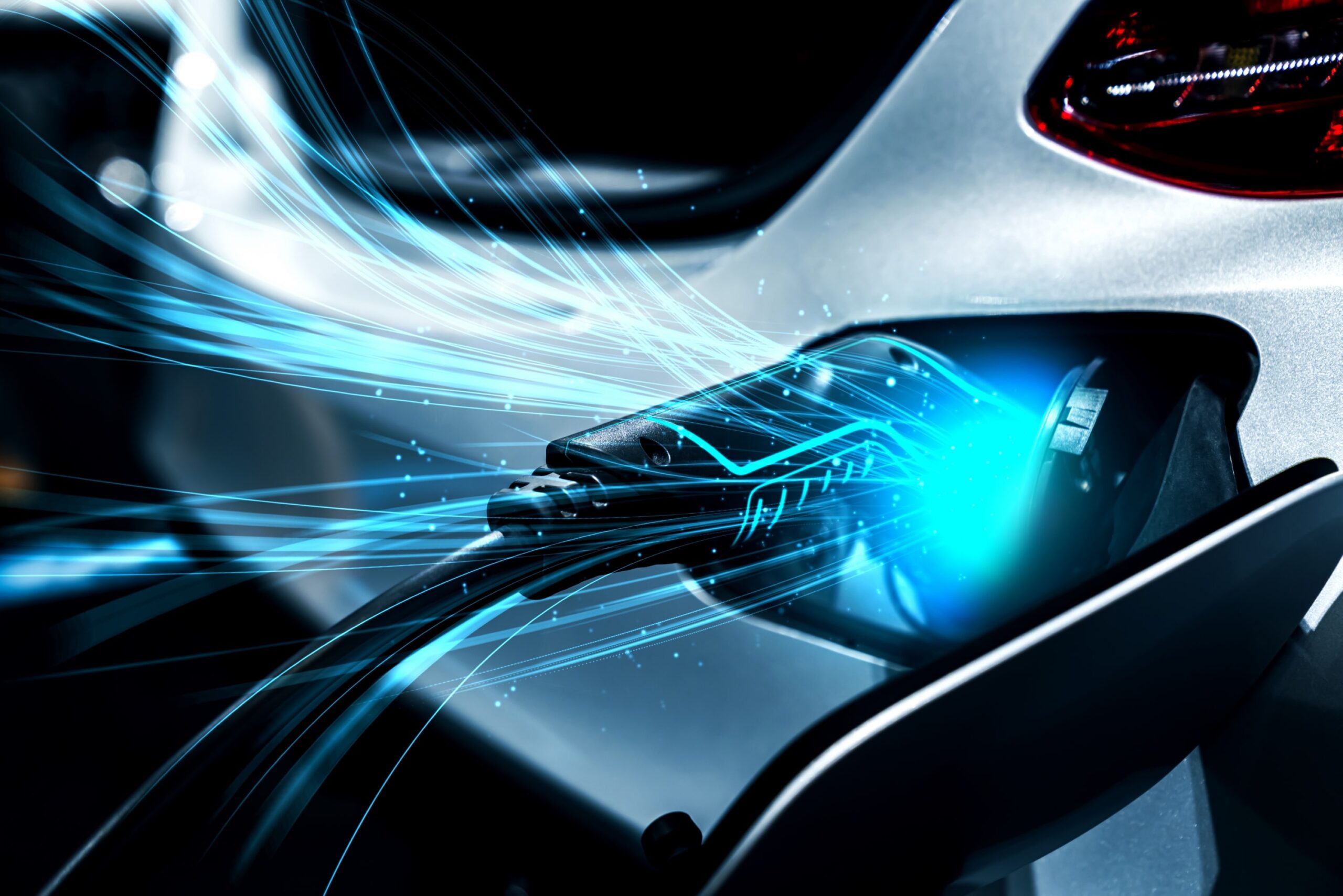
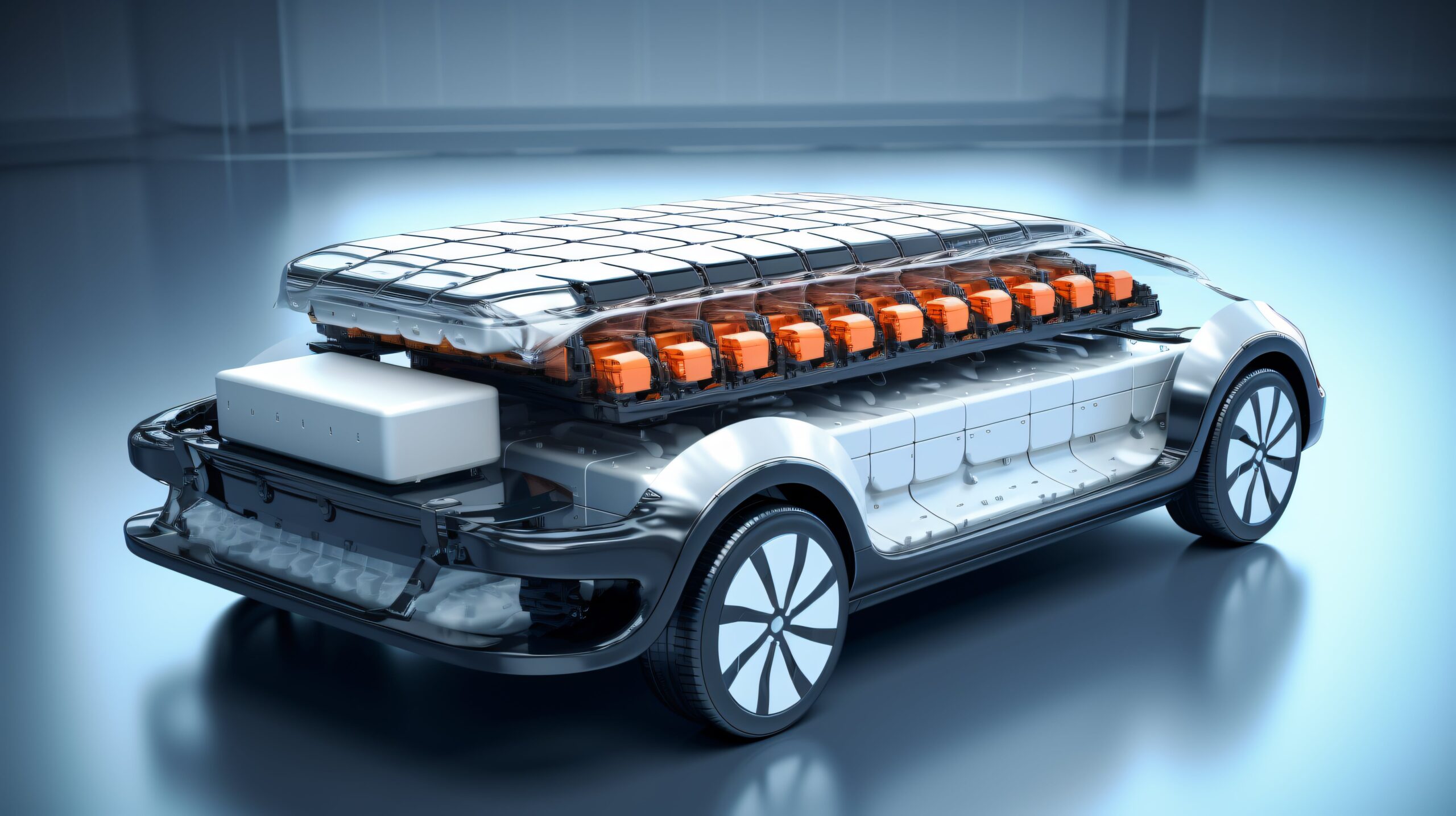
Regenerative braking is a system in electric vehicles (EVs) that captures and converts the vehicle’s kinetic energy during deceleration into electrical energy. Instead of wasting this energy as heat (as in traditional braking systems), the electric motor switches to generator mode when the driver slows down or brakes. This generated electricity is then sent back to recharge the EV’s battery, improving overall energy efficiency.
Benefits for Efficiency and Range
One of the biggest advantages of regenerative braking is extended driving range. By partially recharging the battery while driving, especially in city traffic or downhill slopes, EVs can travel farther on a single charge. It also reduces wear and tear on traditional brake pads, lowering maintenance costs. The feature is especially useful in stop-and-go traffic, where frequent braking helps recapture more energy.
Adjustable Braking and Driving Experience
Many modern EVs allow drivers to adjust the level of regenerative braking—from light resistance to one-pedal driving. In high regeneration mode, lifting your foot off the accelerator can significantly slow the car down without touching the brake pedal. This not only offers a more responsive driving experience but also increases the amount of energy recovered. Some systems even adapt regen levels based on driving patterns or terrain.
Conclusion
Regenerative braking is a smart and efficient technology that makes electric vehicles more energy-conscious and cost-effective. By recovering energy during braking and feeding it back into the battery, it enhances both range and performance. As EV technology advances, regenerative systems will continue to evolve—playing a key role in the sustainability and appeal of electric mobility.
Ask ChatGPT
Share this content:

Post Comment