How EV Battery Technology Has Evolved in the Last 5 Years
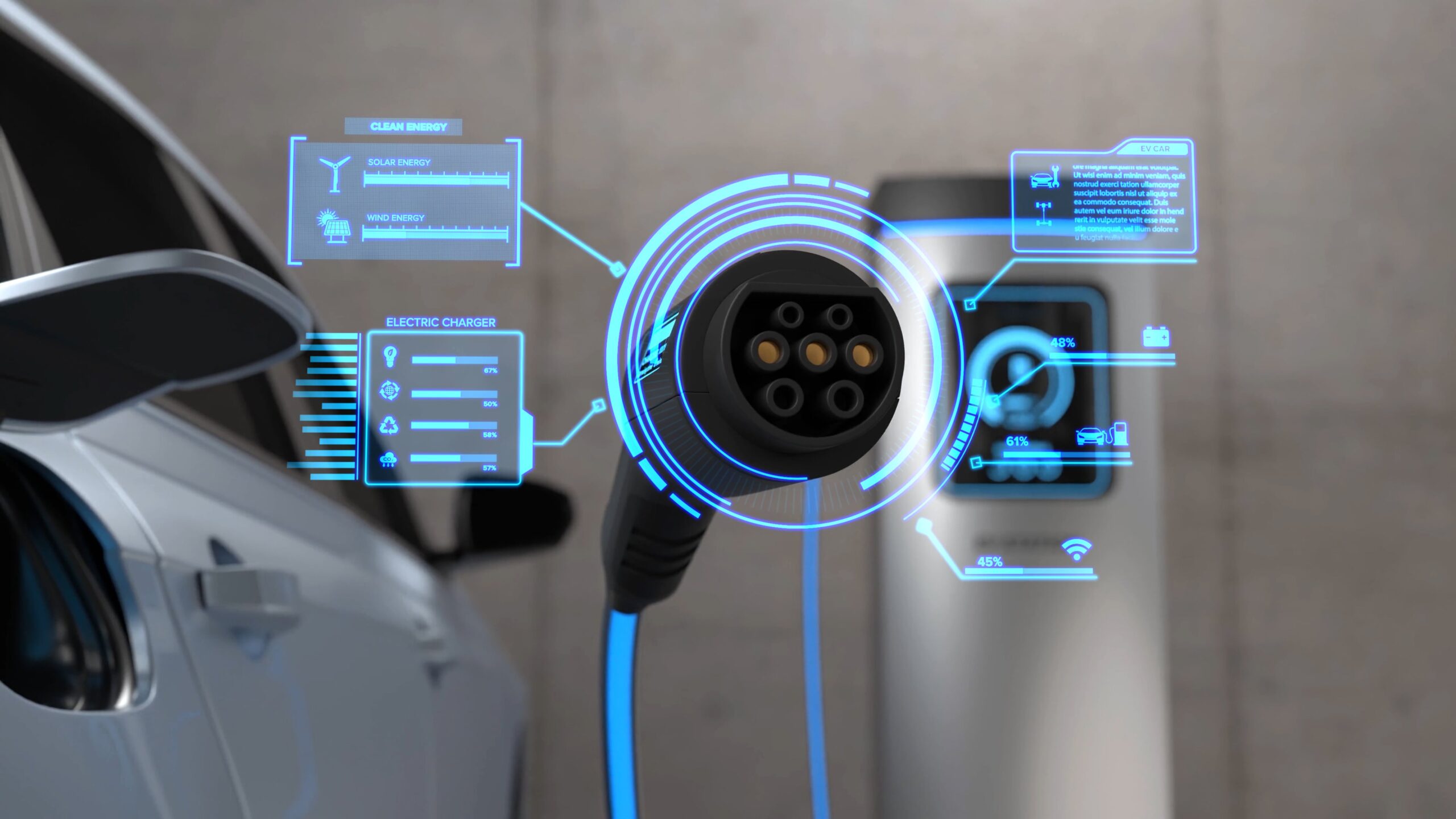
The last five years have witnessed a remarkable transformation in electric vehicle (EV) battery technology. As demand for cleaner transportation rises, manufacturers and researchers have pushed the boundaries of energy density, charging speed, and overall battery lifespan. These advancements have made EVs more practical, efficient, and appealing for mainstream adoption.
Increased Energy Density and Range
One of the most significant breakthroughs has been the improvement in energy density—the amount of energy stored per unit of battery weight. Modern lithium-ion batteries now offer up to 300-400 Wh/kg compared to around 150-200 Wh/kg just five years ago. This advancement has enabled EVs to achieve ranges exceeding 500 km on a single charge, making long-distance travel more feasible and reducing range anxiety for consumers.
Faster Charging Capabilities
Fast charging technology has evolved significantly, with newer batteries supporting ultra-fast charging infrastructure. Innovations such as silicon-anode and solid-state battery development have led to reduced charging times—from hours to as little as 15–30 minutes for an 80% charge. This progress has been critical in supporting the growth of fast-charging networks across cities and highways.
Enhanced Battery Lifespan and Safety
Battery durability and safety have improved thanks to better battery management systems (BMS), thermal regulation, and robust cell designs. Today’s batteries can last for over 2,000 charge cycles without significant capacity loss, extending the life of EVs and making them more cost-effective in the long run. Additionally, advances in fire-resistant materials and cell packaging have improved overall safety standards, gaining consumer trust.
Conclusion
From doubling energy density to slashing charge times and increasing lifespan, EV battery technology has evolved at a pace few predicted. These innovations have played a vital role in accelerating EV adoption worldwide, particularly in markets like India. As research continues and new materials like graphene and solid-state solutions emerge, the future of EV mobility looks even more promising, sustainable, and performance-driven.
Share this content:


Post Comment