How Electric Vehicles Are Shaping the Future of Transportation
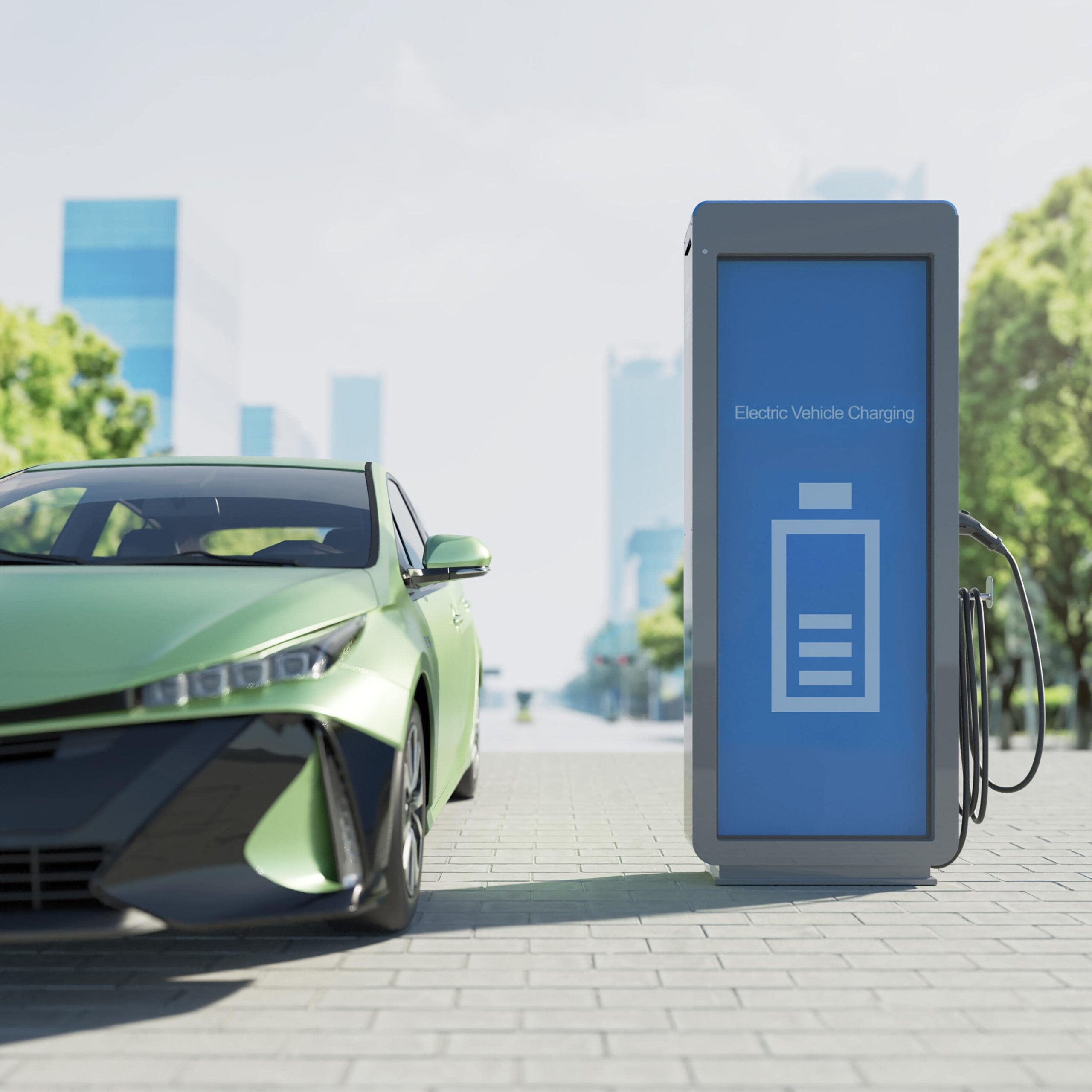
Electric Vehicles (EVs) are no longer a futuristic concept—they are transforming the transportation industry today. With advancements in battery technology, supportive government policies, and increasing environmental awareness, EVs are redefining mobility as we know it.
Driving Sustainability and Reducing Emissions
One of the most significant impacts of EVs is their contribution to reducing greenhouse gas emissions. Unlike traditional vehicles, EVs produce zero tailpipe emissions, making them a cleaner and greener alternative. By integrating renewable energy sources into charging infrastructure, EVs further minimize their carbon footprint and support global climate goals.
Innovating with Smart Technology
Modern electric vehicles are equipped with advanced technologies such as AI-based driver assistance, smart navigation, and regenerative braking systems. Additionally, EVs are often connected to digital platforms that provide real-time monitoring, over-the-air updates, and predictive maintenance—creating a smarter and safer driving experience.
Boosting Economic Growth and New Business Models
The rise of EVs is fueling innovation across industries, from battery manufacturing to charging infrastructure. New business models like EV leasing, battery swapping, and ride-sharing services are emerging, creating opportunities for startups and established companies alike. Governments are also incentivizing EV adoption, accelerating the transition toward a sustainable mobility ecosystem.
Conclusion
Electric Vehicles are shaping the future of transportation by making it cleaner, smarter, and more efficient. As technology evolves and infrastructure expands, EVs will become the dominant mode of mobility—driving us toward a greener and more connected future.
Share this content:

Post Comment