How Data Analytics Will Drive Intelligent Transportation Systems

The transportation industry is evolving rapidly, and data analytics is at the core of this transformation. Intelligent Transportation Systems (ITS) rely on real-time data to improve traffic management, enhance safety, reduce congestion, and provide sustainable mobility solutions. By leveraging data analytics, cities and transport authorities can create smarter, more efficient systems that benefit everyone.
Enhancing Traffic Management with Real-Time Insights
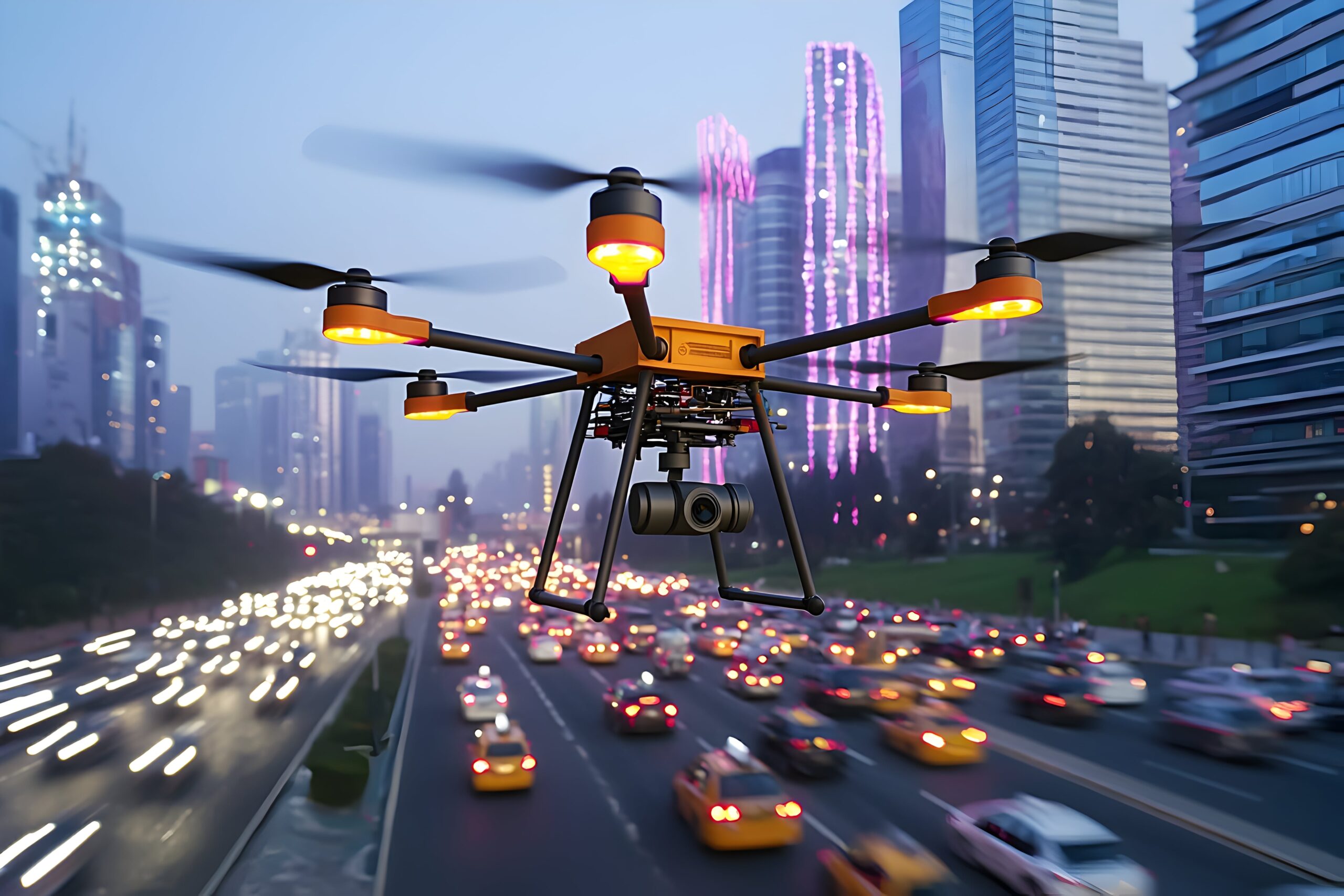
Data analytics enables transportation systems to process massive amounts of real-time traffic data from sensors, cameras, GPS devices, and connected vehicles. This data is analyzed to predict congestion patterns, optimize traffic signals, and manage incidents more effectively. Predictive analytics also allows authorities to anticipate traffic surges and plan accordingly, reducing delays and improving road efficiency.
Improving Safety and Reducing Accidents
Safety is a top priority for any transportation network. Data analytics helps identify accident-prone zones, analyze driver behavior, and implement preventive measures. Advanced ITS solutions use predictive models to warn drivers about potential hazards and provide alerts in real time. This not only minimizes collisions but also creates safer travel experiences for commuters.
Supporting Sustainable and Smart Mobility
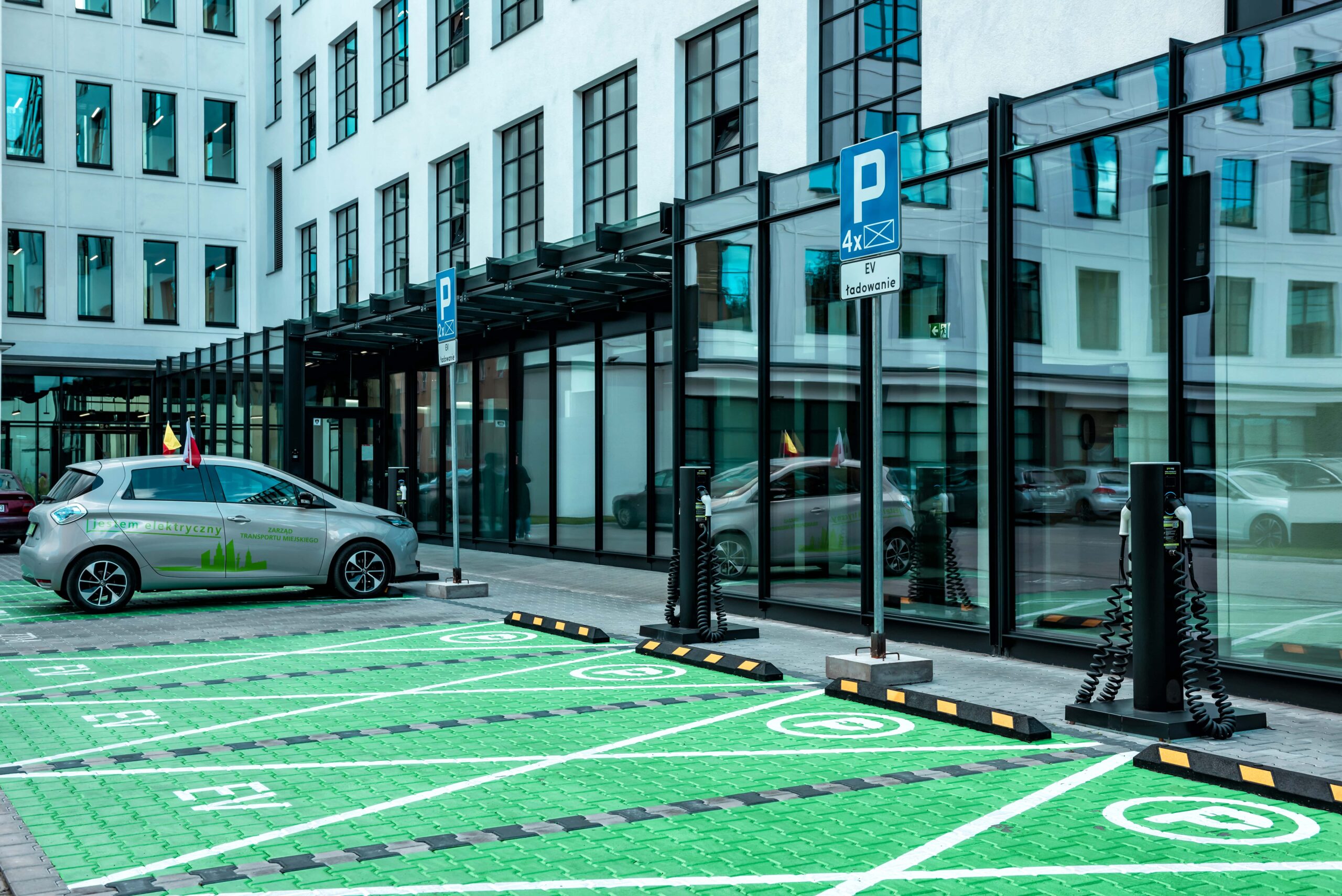
Data-driven insights play a vital role in promoting eco-friendly transportation. By analyzing travel patterns, ITS can encourage the use of public transport, reduce fuel consumption, and lower emissions. Smart route planning powered by analytics helps vehicles take the shortest and least congested routes, contributing to sustainability goals and better urban air quality.
Conclusion
Data analytics is the backbone of Intelligent Transportation Systems, enabling better traffic flow, enhanced safety, and greener mobility. As cities continue to grow, the integration of data analytics in transportation will not only make commuting smarter but also shape the future of urban mobility. With AI, IoT, and big data advancements, the potential of ITS is limitless.
Share this content:

Post Comment