Home Charging vs. Public Charging: What’s Best for You?
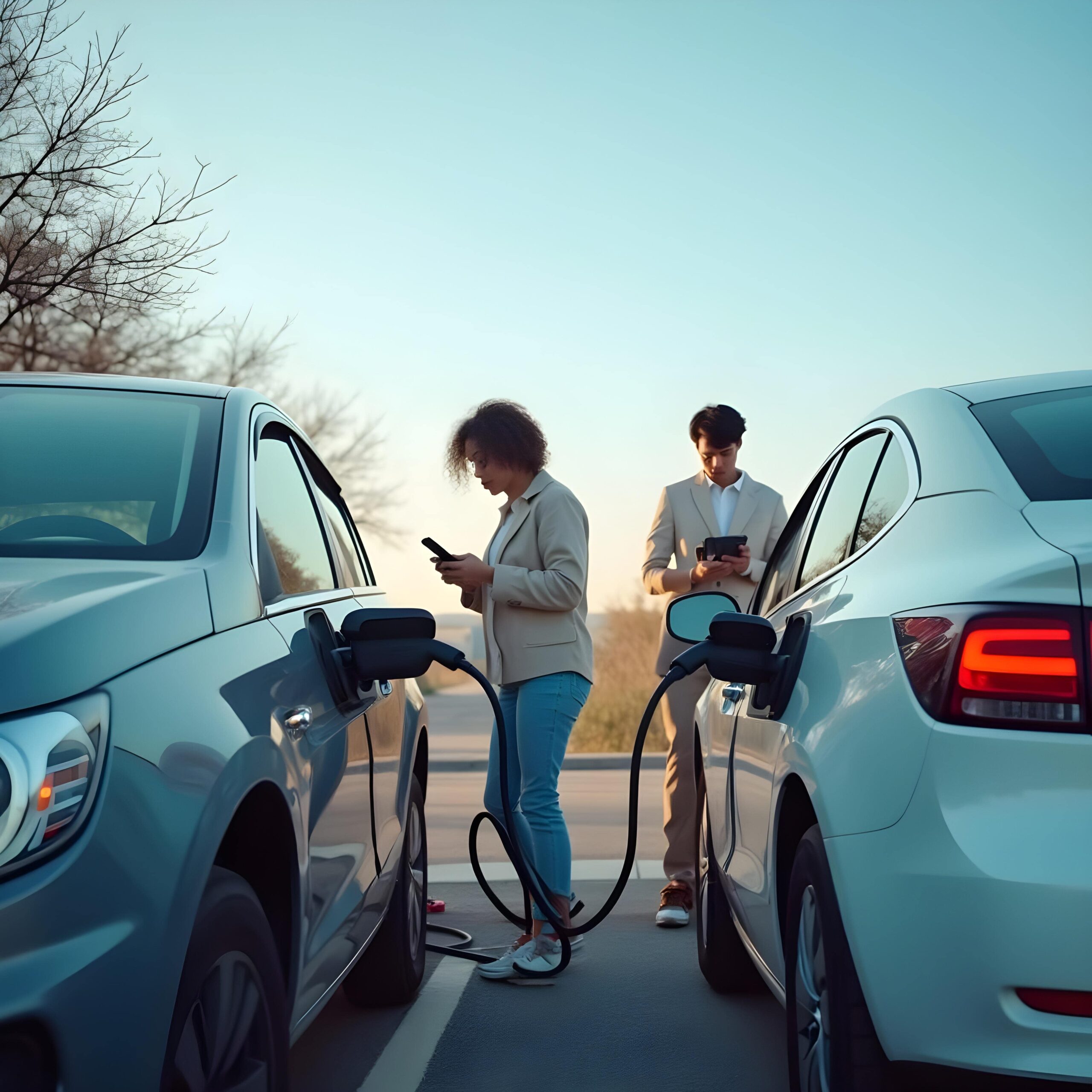
With the growing adoption of electric vehicles (EVs) in India, one crucial decision for owners is how to charge their vehicles efficiently. Both home charging and public charging have their advantages and drawbacks. Understanding which option suits your lifestyle, budget, and commuting needs can help you make the best choice.
Home Charging: Convenience and Cost Savings
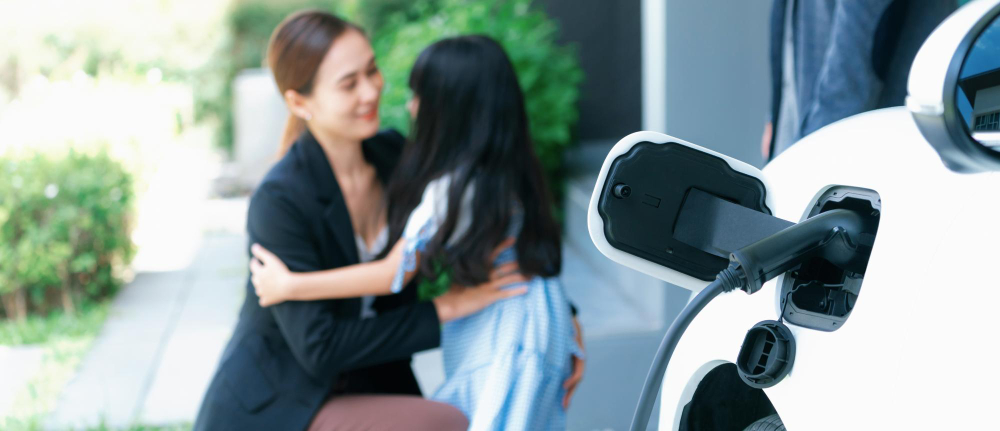
Charging your EV at home offers maximum convenience. You can plug in your vehicle overnight and wake up to a fully charged battery each morning. Home charging is generally cheaper than public charging since electricity rates are lower than fast-charging station tariffs. Installing a home charger is ideal for daily commuters with predictable travel patterns, as it saves time and ensures your EV is always ready to go.
Public Charging: Speed and Flexibility
Public charging stations are increasingly available in cities and along highways, providing flexibility for long-distance travel. Fast chargers or DC rapid chargers can replenish an EV battery to 80% in under an hour, making them ideal for road trips or urgent top-ups. Public charging is useful for those who don’t have access to home charging or need a quick boost during the day, but it can be costlier and may require planning to find available stations.
Which Option Suits You Best?
The right choice depends on your driving habits and location. If your daily commute is predictable and you have access to electricity at home, home charging is often the most convenient and economical solution. For occasional long trips, or if home charging isn’t feasible, public charging stations are essential. Many EV owners combine both options to enjoy the benefits of cost savings and flexibility.
Conclusion
Choosing between home charging and public charging depends on convenience, cost, and travel requirements. Home charging is best for regular daily use and budget-conscious owners, while public charging provides speed and flexibility for longer journeys. By understanding your commuting patterns and planning accordingly, you can ensure your EV remains charged efficiently and ready for use at all times.
Share this content:

Post Comment