Guide to Home EV Charging: Setup, Cost, and Tips
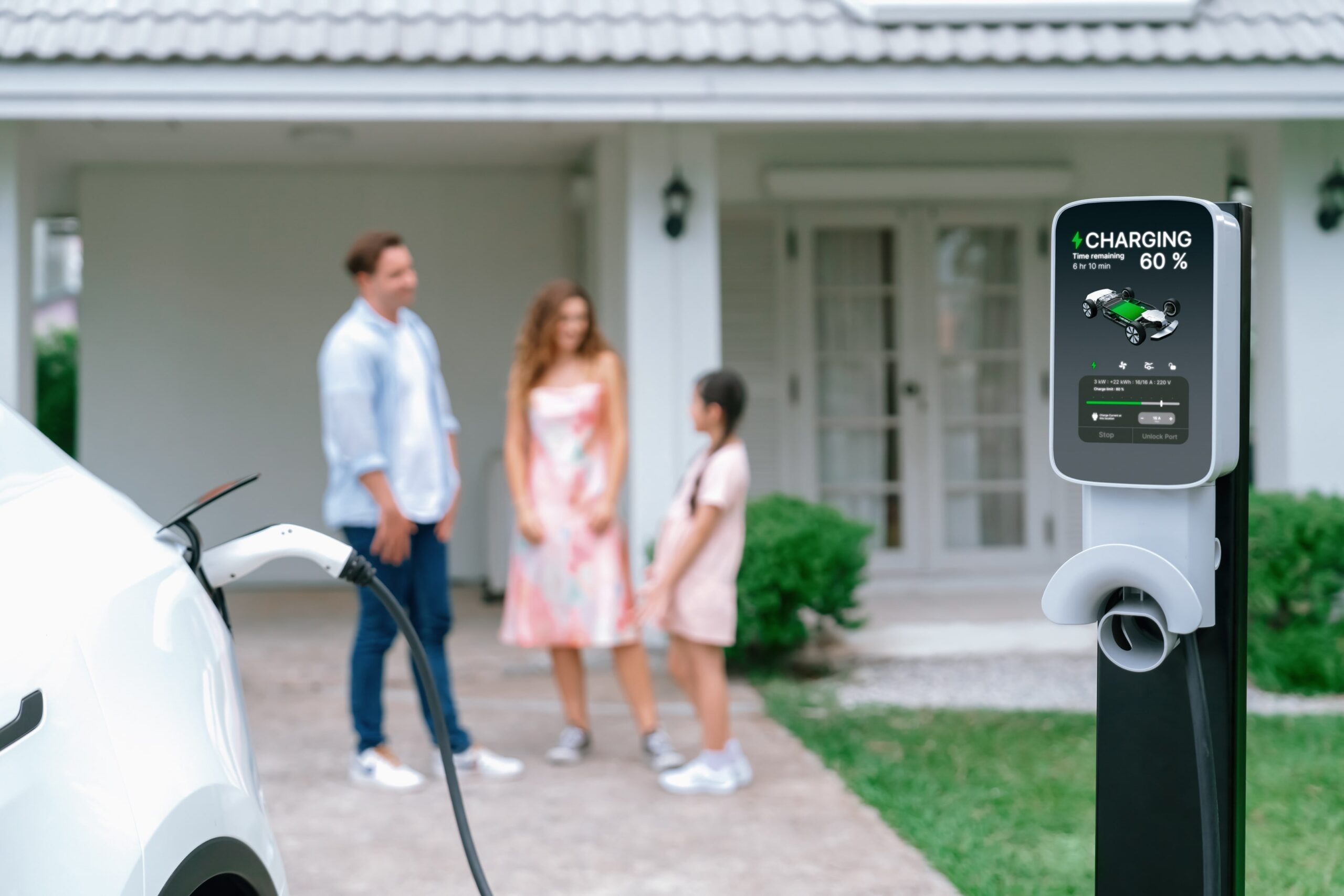
As electric vehicles (EVs) gain popularity in India and around the world, home EV charging has become an essential part of owning an electric vehicle. It provides unmatched convenience, allows for overnight charging, and is typically more cost-effective than relying on public charging stations. Whether you’re a new EV owner or planning to switch to electric soon, understanding the home charging setup and its associated costs is crucial.
Setting Up a Home EV Charging Station
Most EV owners start with either a Level 1 charger, which uses a standard household outlet, or a more powerful Level 2 charger, which requires a 240-volt power connection. While Level 1 charging is slow and may take over 12 hours for a full charge, Level 2 charging significantly reduces the time—often charging a vehicle within 6 to 8 hours.
Installing a Level 2 charger typically requires the services of a licensed electrician. The process includes evaluating your existing electrical system, installing a dedicated circuit, and mounting the charging unit in a suitable location such as a garage or a weather-protected area near your parking space. Some chargers come with smart features, such as mobile app control and usage tracking.
Understanding Costs Involved
The cost of setting up a home EV charger in India generally ranges from ₹50,000 to ₹1.5 lakh, depending on the brand of charger, its features, and the complexity of the installation. Costs may increase if electrical upgrades are needed.
In terms of operational costs, charging at home remains one of the most economical options. Depending on your EV’s battery size and your local electricity tariff, a full charge may cost anywhere between ₹100 to ₹300. Charging overnight during off-peak hours can further reduce your electricity bill and ease pressure on the power grid.
Benefits of Home EV Charging
Home EV charging gives owners the freedom to start each day with a fully charged vehicle, eliminating the need to search for public charging stations. It also enhances battery health by allowing controlled, consistent charging. With government initiatives encouraging EV adoption, home charging setups are becoming easier and more accessible, including potential subsidies and incentives.
Conclusion
Home EV charging is more than a convenience—it’s a key enabler of the electric mobility shift. With a proper setup, reasonable costs, and the right infrastructure, EV owners can enjoy reliable and efficient charging at their doorstep. As the EV market grows, home charging will continue to play a vital role in supporting India’s journey toward a cleaner, greener future.
Share this content:



Post Comment