How Government Policies Are Driving EV Demand Globally
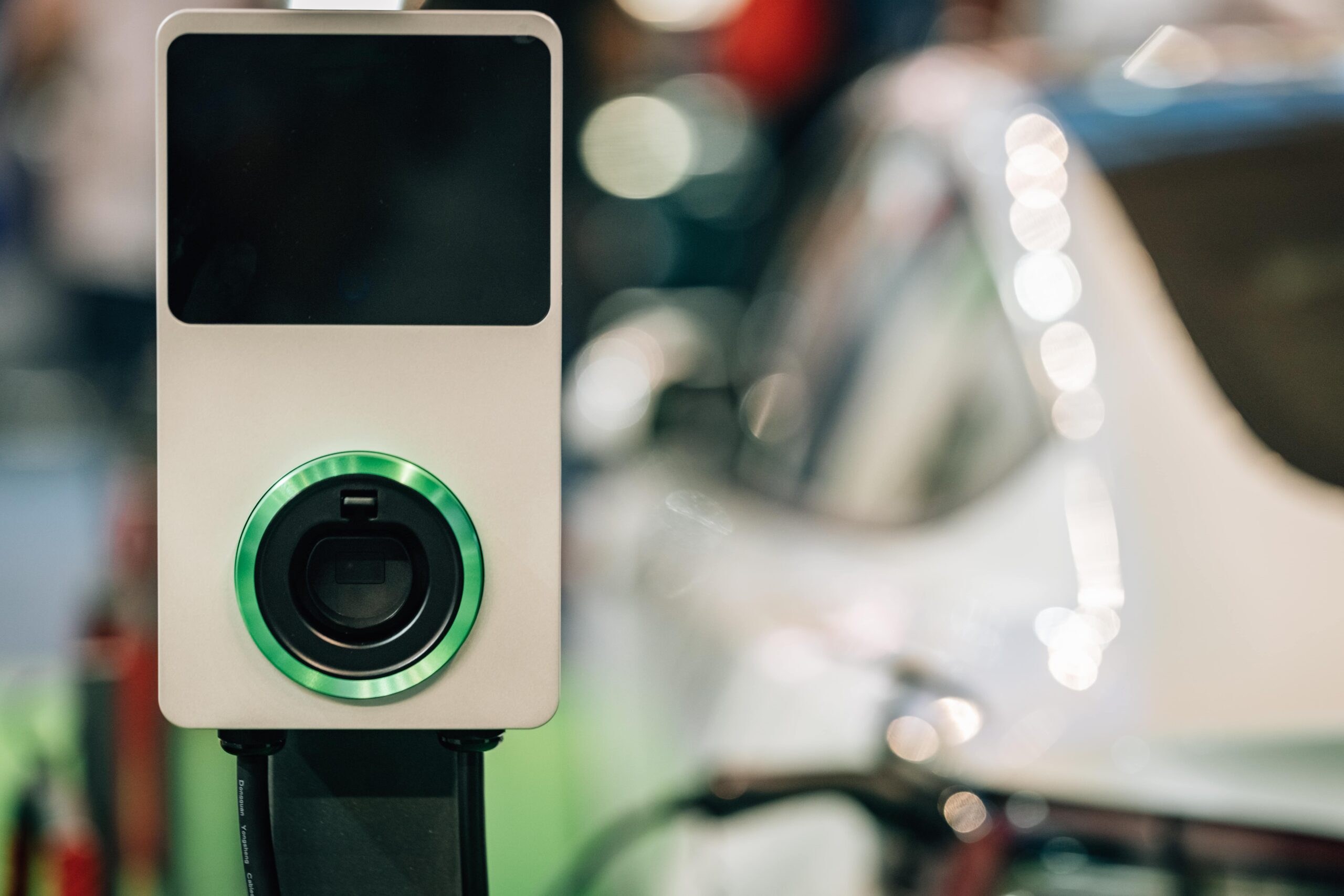
Government policies are playing a decisive role in accelerating the global adoption of electric vehicles (EVs). As countries work to reduce carbon emissions, cut dependence on fossil fuels, and promote sustainable transportation, policy-driven initiatives are shaping consumer behavior and industry investments. From financial incentives to regulatory mandates, governments worldwide are creating a strong foundation for the rapid growth of the EV market.
Financial Incentives Boosting EV Adoption
One of the most effective tools governments use to encourage EV adoption is financial incentives. Subsidies, tax credits, reduced registration fees, and exemptions from road taxes make electric vehicles more affordable for consumers. These incentives significantly narrow the price gap between EVs and conventional internal combustion engine vehicles, accelerating purchase decisions.
Many countries also offer incentives for businesses and fleet operators, encouraging large-scale electrification of public transport, logistics, and corporate fleets. Such measures are expanding EV adoption beyond individual consumers to commercial and institutional users.
Emission Regulations and Fuel Economy Standards
Strict emission norms and fuel economy regulations are pushing automakers to shift toward electric mobility. Governments in Europe, North America, and Asia have introduced stringent carbon emission targets, making it increasingly difficult for manufacturers to rely solely on petrol and diesel vehicles.
Several countries have announced timelines to phase out internal combustion engine vehicle sales altogether. These regulatory signals provide long-term clarity to automakers and investors, driving massive investments in EV technology, battery production, and charging infrastructure.
Infrastructure Development and Policy Support
Government-led investments in EV charging infrastructure are another key driver of EV demand. Public funding for fast-charging networks, highway corridors, and urban charging stations is reducing range anxiety and increasing consumer confidence.
Policies supporting renewable energy integration, smart grids, and vehicle-to-grid technology further enhance the sustainability of EV ecosystems. In many regions, building codes and urban planning regulations now mandate EV-ready infrastructure in residential and commercial developments.
Conclusion
Government policies are a powerful catalyst behind the global rise of electric vehicles. Through incentives, regulations, and infrastructure investments, policymakers are accelerating the transition to clean mobility and shaping the future of transportation. As policy support continues to strengthen, EV demand is expected to grow rapidly worldwide, creating new opportunities across the automotive, energy, and technology sectors.
Share this content:


Post Comment