Future of EV Logistics: How Startups Are Revolutionizing Last-Mile Delivery
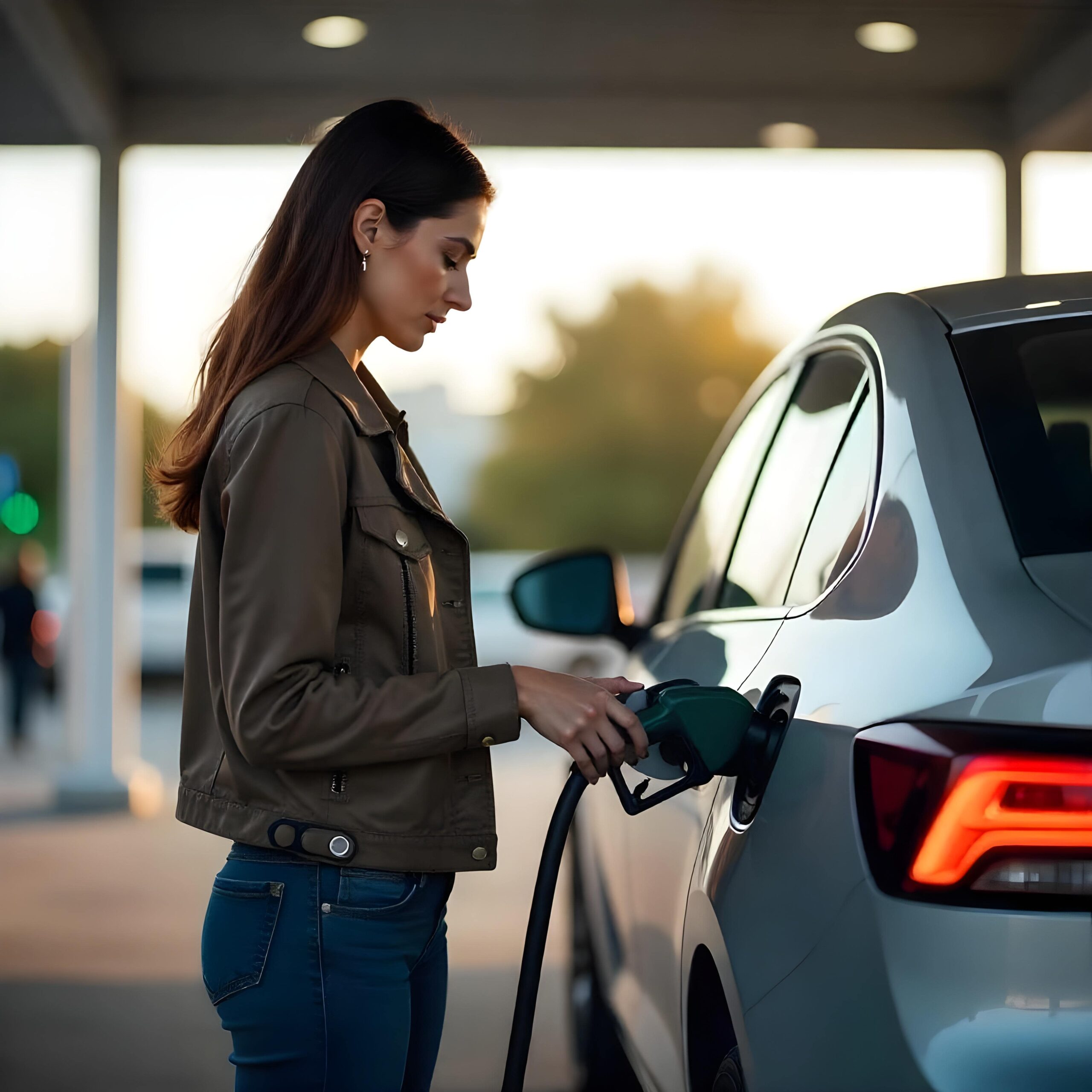
The global push toward sustainability is reshaping the logistics industry, and electric vehicles (EVs) are at the heart of this transformation. One of the most significant areas of impact is last-mile delivery, the final step in the supply chain that directly connects businesses to consumers. With e-commerce booming and urban congestion rising, startups are leading the charge to make this process faster, greener, and more cost-effective.
Why Last-Mile Delivery Needs an Electric Upgrade
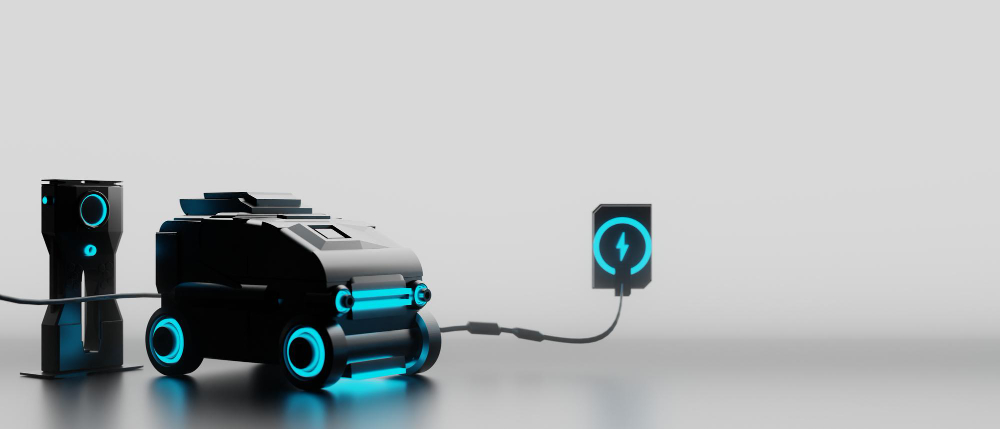
Last-mile delivery is often the most expensive and time-consuming part of the logistics chain, accounting for 40–50% of overall shipping costs. Traditional delivery fleets powered by fossil fuels contribute heavily to urban pollution and carbon emissions. EV startups are addressing these pain points by introducing electric two-wheelers, three-wheelers, and even autonomous pods, drastically cutting emissions and reducing fuel dependency. Beyond sustainability, EV adoption also lowers operating costs, making it a win-win for businesses and the environment.
Startups Driving the EV Logistics Revolution
Startups such as Zypp Electric, Euler Motors, Yulu, and BluSmart are redefining urban deliveries in India and beyond. They are implementing battery swapping stations, subscription-based EV fleets, and smart telematics systems that make EV logistics practical for large-scale operations. By partnering with major e-commerce platforms like Amazon, Flipkart, and BigBasket, these companies are accelerating EV adoption in last-mile services. Additionally, many startups are introducing fleet-as-a-service models, allowing businesses to scale their operations without heavy upfront investments.
Technology and Infrastructure: The Backbone of EV Logistics
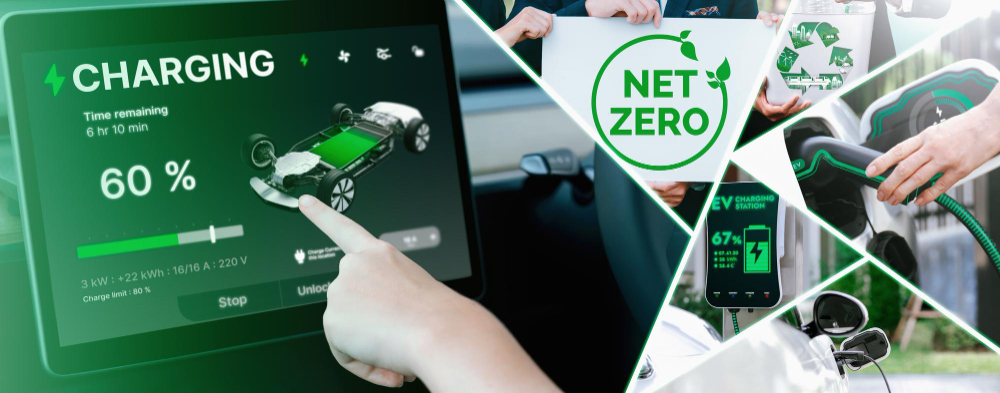
While the vehicles themselves are important, the real game-changer lies in infrastructure and smart technologies. AI-driven route optimization, IoT-enabled fleet monitoring, and predictive maintenance tools are boosting efficiency and reducing downtime. The rise of fast-charging and battery swapping networks ensures minimal delays during peak delivery hours. Startups are also integrating data analytics to optimize delivery patterns, enhance driver productivity, and cut operational costs. This tech-driven ecosystem is laying the foundation for a fully electric logistics network.
Conclusion
The future of last-mile delivery is electric, and startups are at the center of this transformation. By combining cutting-edge technology with sustainable mobility solutions, these innovators are creating a logistics ecosystem that is eco-friendly, cost-efficient, and scalable. As governments push for cleaner transportation policies and businesses aim for carbon neutrality, EV-based last-mile solutions will become the new norm, powering the next generation of urban logistics.
Share this content:

Post Comment