EV Thermal Management Systems: Why Cooling Is Critical

The Role of Thermal Management in EV Performance and Safety
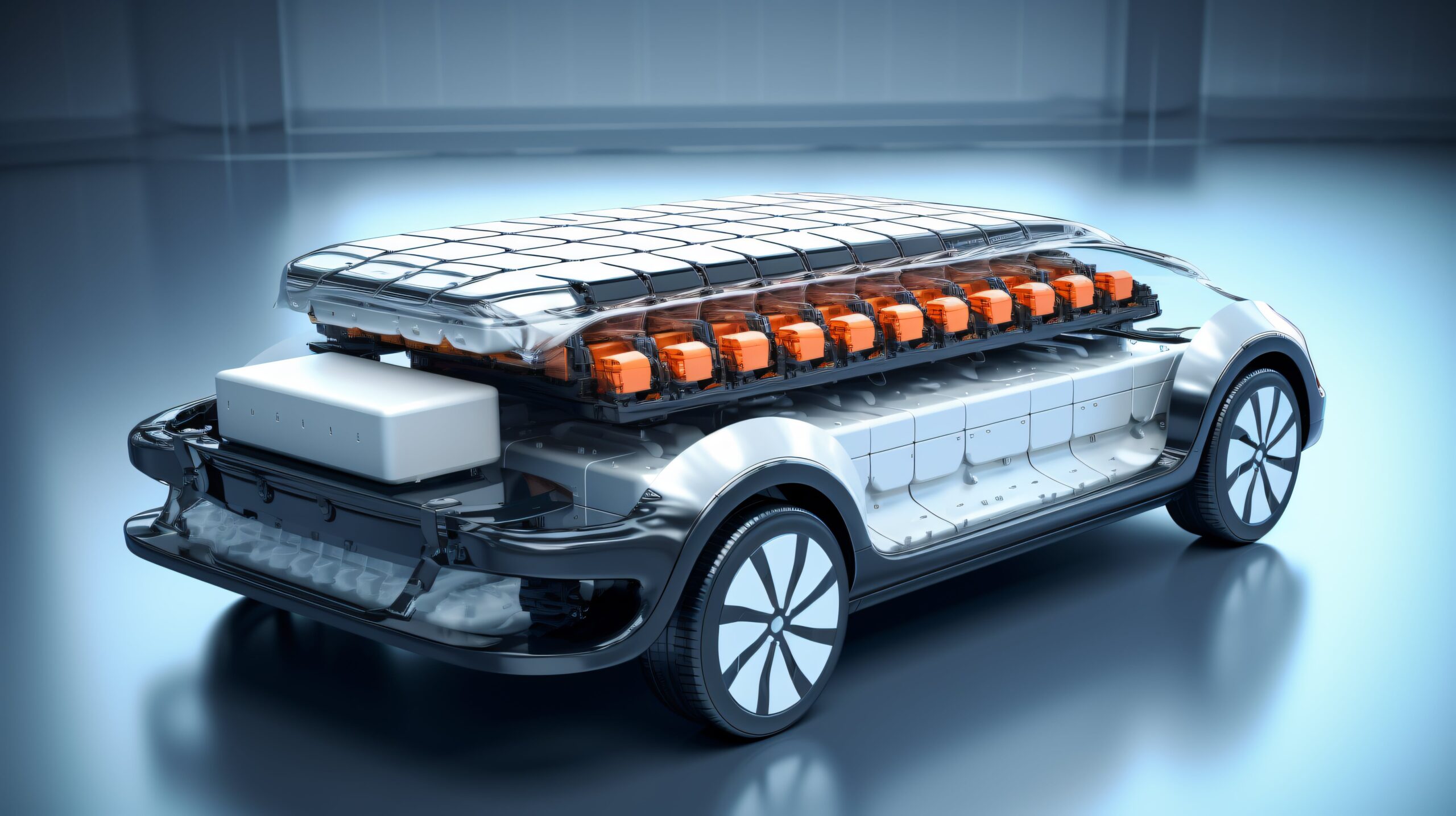
Electric vehicles generate heat in their batteries, motors, and power electronics. Without proper cooling, overheating can reduce performance, damage components, or even lead to safety hazards like fires. Thermal management systems regulate temperature to ensure optimal efficiency, safety, and longevity of EV components.The Role of Thermal Management in EV Performance and Safety
Key Components and Technologies Used in Cooling Systems
Modern EVs rely on a mix of liquid cooling, air cooling, heat exchangers, and phase-change materials to maintain thermal balance. Liquid cooling systems are especially effective for high-capacity batteries, while advanced materials and designs help dissipate heat more efficiently in compact spaces.
Challenges and Innovations in EV Cooling Systems
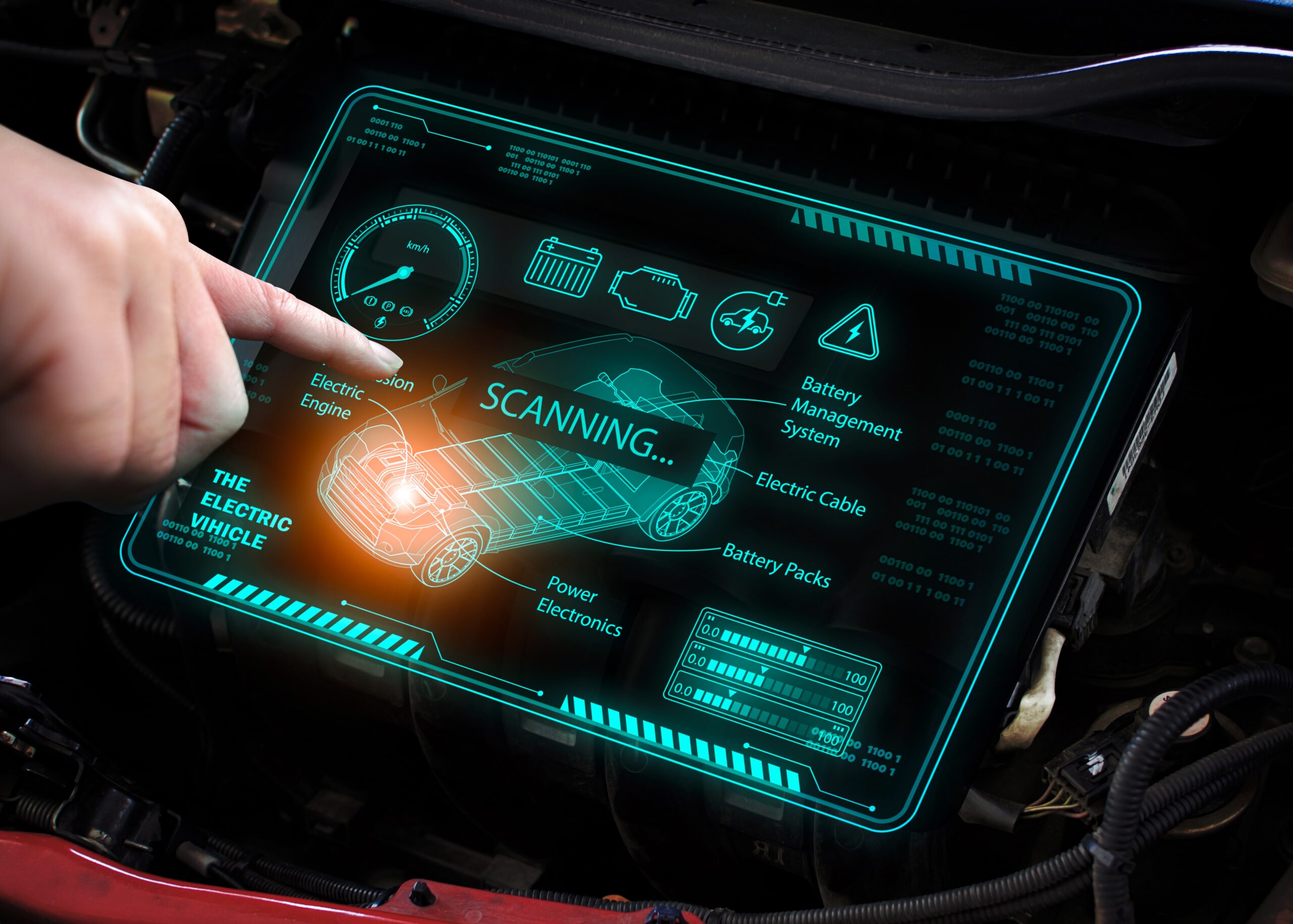
As EVs become more powerful and compact, managing heat becomes more complex. Engineers are developing integrated thermal systems that cool multiple components simultaneously. Innovations such as battery thermal interface materials (TIMs), active cooling circuits, and smart sensors are pushing the boundaries of efficiency and safety.
Conclusion:
Cooling is not just a comfort feature—it’s a critical part of an electric vehicle’s functionality and safety. Effective thermal management enhances battery life, ensures consistent performance, and prevents overheating risks. As EV technology evolves, so too must the systems that keep them cool and running smoothly.
Share this content:

Post Comment